

Resisting Reagan : Liberal Strategies in a Conservative Age
Book Details
Delivery Location
Delivery fee: Select location
Delivery in 12 days
“Liberalism is at a crossroads. It will either evolve to meet the issues of the 1980s or it will be reduced to an interesting topic for Ph.D.-writing historians.” So stated the young Massachusetts Senator Paul Tsongas in June 1980 in the keynote address before the liberal organization Americans for Democratic Action. Tsongas’s statement was a bracing critique of the liberal establishment and a call to creative action in the face of the new economic, social, and political realities that had engulfed the country since the 1960s. While liberal leadership failed to pivot enough to maintain the presidency—many were shocked by and dismissive toward Tsongas’s message—Ronald Reagan’s election forced Democrats to change their approach.
According to a widespread consensus, the country during the Reagan era moved inexorably to the Right as liberalism experienced a sustained period of decline and marginalization. On this view, an increasingly dominant conservative movement overwhelmed “New Deal” liberalism and forced Democrats to retreat or accommodate the new conservative order. Drawing on a wealth of archival research, Joe J. Ryan-Hume argues that liberalism had far more success during this period than historical orthodoxy would suggest. Ryan-Hume examines how grassroots liberal organizations—such as NOW, NARAL, and the Leadership Conference on Civil Rights—reformed their strategies in the wake of the Reagan Revolution to remain influential. By focusing on the nexus of grassroots activism, political ideology, and party politics, Resisting Reagan reveals the complex reorientation of liberalism and the Democratic Party in the 1980s. In doing so, it illuminates how the changing activist and electoral coalition reshaped the Democratic Party's political priorities, how liberal grassroots organizations creatively advanced their policy objectively, and how liberals pragmatically brokered legislation to protect or advance liberalism in an increasingly anti-government environment.
Liberals survived the Reagan era, according to Ryan-Hume, by changing tone instead of substance, building powerful coalitions, and designing new strategies to exploit emerging trends. By looking at 1980s politics from the bottom up, Resisting Reagan offers a surprising view at a period that offers lessons for today.
Get Resisting Reagan by Joe J. Ryan-Hume at the best price and quality guaranteed only at Werezi Africa's largest book ecommerce store. The book was published by University Press of Kansas and it has 160 pages.
Customers Who Bought This Also Bought
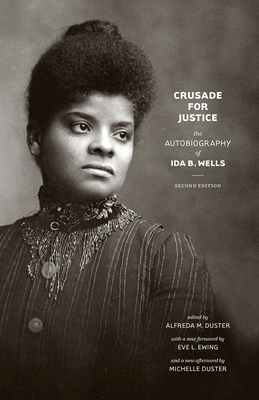
Crusade for Justice – The Autobiography of Ida B. Wells, Second Edition
KSh 4,050.00

Killers of the Flower Moon
KSh 2,000.00
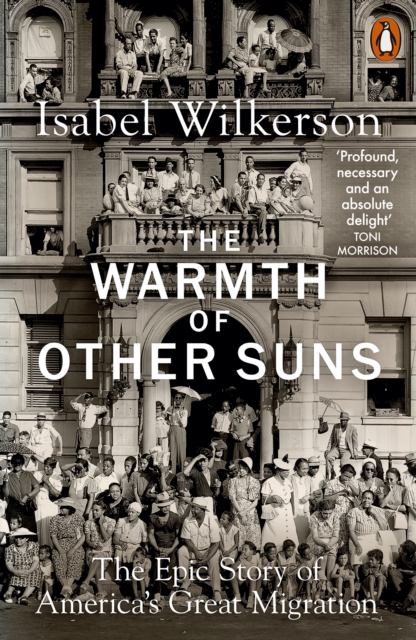
Warmth of Other Suns
KSh 3,050.00
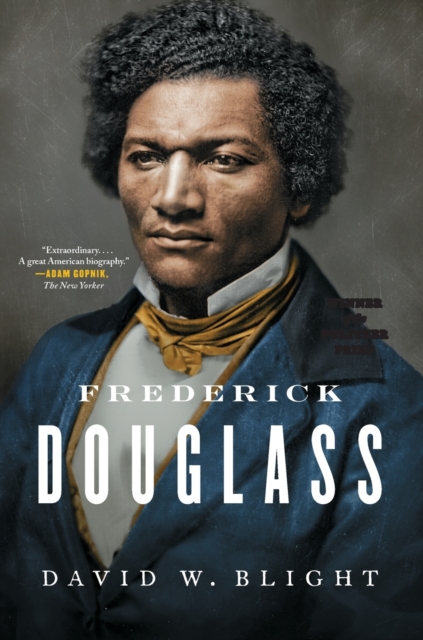
Frederick Douglass
KSh 3,350.00
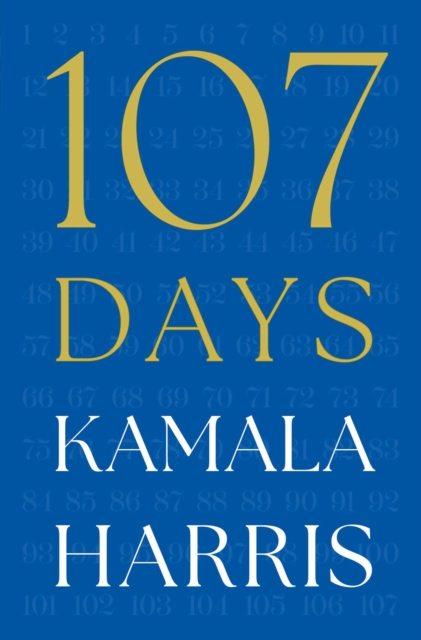
107 Days
KSh 4,500.00

Second Treatise of Government – Norton Library
KSh 1,600.00
Tuesdays With Morrie
KSh 2,000.00
My Bondage and My Freedom
KSh 1,600.00

Hidden Figures
KSh 2,000.00
America, América
KSh 3,650.00
Holding the Line
KSh 2,000.00
Nuclear Folly
KSh 3,050.00

