
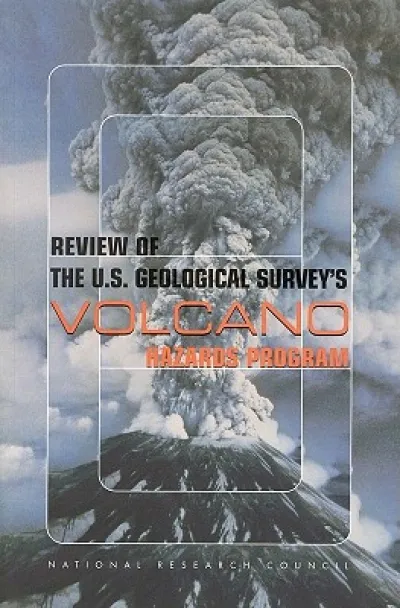
Review of the U.S. Geological Survey's Volcano Hazards Program
Book Details
Format
Paperback / Softback
ISBN-10
0309070961
ISBN-13
9780309070966
Publisher
National Academies Press
Imprint
National Academies Press
Country of Manufacture
GB
Country of Publication
GB
Publication Date
Jul 26th, 2000
Print length
150 Pages
Product Classification:
Earth sciences
Ksh 20,500.00
Publisher Out of Stock
0 in stock
Delivery Location
Delivery fee: Select location
Secure
Quality
Fast
The United States has more than 65 active or potentially active volcanoes, more than those of all other countries except Indonesia and Japan. During the twentieth century, volcanic eruptions in Alaska, California, Hawaii, and Washington devastated thousands of square kilometers of land, caused substantial economic and societal disruption and, in some instances, loss of life. More than 50 U.S. volcanoes have erupted one or more times in the past 200 years. Recently, there have been major advances in our understanding of how volcanoes work. This is partly because of detailed studies of eruptions and partly because of advances in global communications, remote sensing, and interdisciplinary cooperation. The mission of the Volcano Hazards Program (VHP) is to "lessen the harmful impacts of volcanic activity by monitoring active and potentially active volcanoes, assessing their hazards, responding to volcanic crises, and conducting research on how volcanoes work." To provide a fresh perspective and guidance to the VHP about the future of the program, the Geologic and Water Resources Divisions of the United States Geological Survey (USGS) requested that the National Research Council conduct an independent and comprehensive review. Review of the U. S. Geological Survey's Volcano Hazards Program is organized around the three components of hazards mitigation. Chapter 2 deals with research and hazard assessment. Chapter 3 covers monitoring and Chapter 4 discusses crisis response and other forms of outreach conducted by the VHP. Chapter 5 describes various cross-cutting programmatic issues such as staffing levels, data formats, and partnerships. Chapter 6 offers a vision for the future of the Volcano Hazards Program, and Chapter 7 summarizes the conclusions and recommendations of the preceding chapters. Throughout the report, major conclusions are printed in italics and recommendations in bold type. The committee has written this report for several different audiences. The main audience is upper management within the USGS and the VHP. However, the committee believes that scientists within the VHP will also find the report valuable. The report is written in such a manner as to be useful to congressional staff as well. Table of ContentsFront MatterExecutive SummaryPrologue 1Prologue 21 Introduction2 Research and Hazard Assessment3 Volcano Monitoring4 Crisis Response and Outreach5 Programmatic and Institutional Issues6 A Vision for the USGS Volcano Hazards Program7 Principal Conclusions and RecommendationsReferencesAppendixesA Biographical Sketches of Committee MembersB Oral Presentations and Written StatementsC USGS Volcano Hazard AssessmentsAcronyms
Get Review of the U.S. Geological Survey's Volcano Hazards Program by at the best price and quality guaranteed only at Werezi Africa's largest book ecommerce store. The book was published by National Academies Press and it has pages.

