
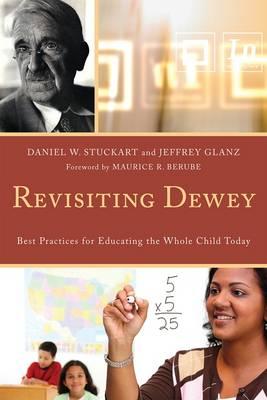
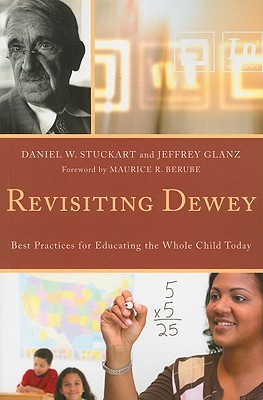
Revisiting Dewey : Best Practices for Educating the Whole Child Today
Book Details
Format
Hardback
ISBN-10
1607090287
ISBN-13
9781607090281
Publisher
Bloomsbury Publishing Plc
Imprint
Rowman & Littlefield Education
Country of Manufacture
GB
Country of Publication
GB
Publication Date
Nov 16th, 2010
Print length
272 Pages
Weight
558 grams
Dimensions
23.60 x 16.00 x 2.40 cms
KSh 12,600.00
Currently unavailable
0 in stock
Delivery Location
Delivery fee: Select location
Secure
Quality
Fast
Nearly a century ago, Dewey proposed a philosophy of education addressing the needs of the whole student. He provided insights into the development of intelligence, the importance of socially useful skills, and the healthy growth of the individual. In the context of high-stakes testing and best practices, his insights may be more prescient than ever.
Get Revisiting Dewey by Daniel W. Stuckart, Jeffrey Glanz at the best price and quality guaranteed only at Werezi Africa's largest book ecommerce store. The book was published by Bloomsbury Publishing Plc and it has 272 pages.
Customers Who Bought This Also Bought
Pedagogy of the Oppressed
KSh 2,000.00
Xrepublic
KSh 850.00
Xrepublic
KSh 1,450.00
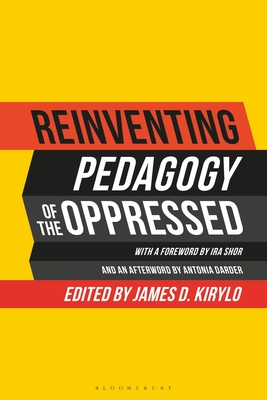
Reinventing Pedagogy of the Oppressed
KSh 4,850.00
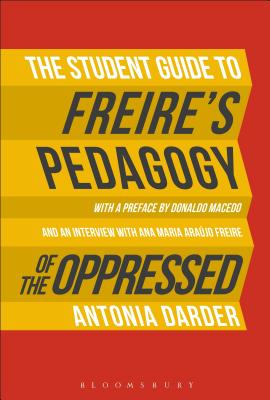
Student Guide to Freire''s ''Pedagogy of the Oppressed''
KSh 3,150.00
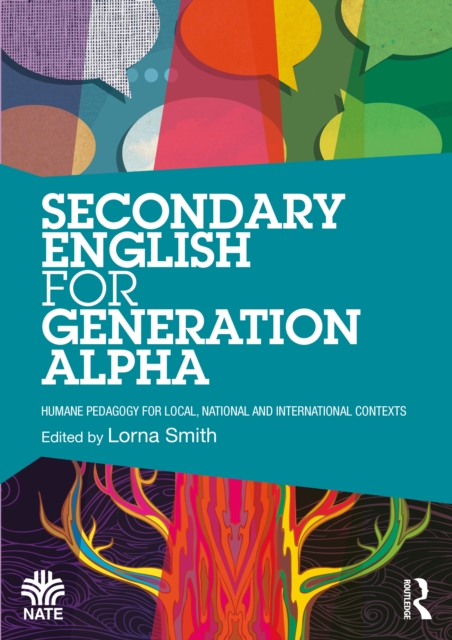
Secondary English for Generation Alpha
KSh 7,900.00

Crazy Faith Workbook
KSh 2,500.00
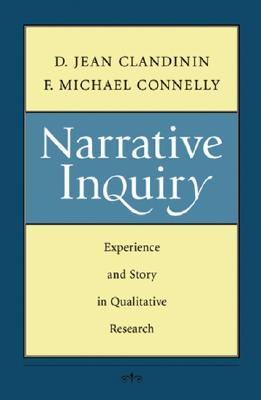
Narrative Inquiry – Experience and Story in Qualitative Research
KSh 4,850.00
Manipulating Practices
KSh 7,900.00

Emile, Ou de l'Education (3e Ed) (Ed.1882)
KSh 2,150.00
Education and the Social Order
KSh 27,550.00

Fanon and Education
KSh 5,250.00
More by Daniel W. Stuckart, Jeffrey Glanz

Action Research
KSh 11,700.00
Turning Pragmatism into Practice
KSh 6,500.00

Action Research
KSh 7,550.00
Turning Pragmatism into Practice
KSh 11,700.00

Creating a Culture of Excellence
KSh 5,750.00

Creating a Culture of Excellence
KSh 13,500.00
Revisiting Dewey
KSh 9,000.00

Action Research
KSh 15,300.00
