
Cart 0
Rewriting the Return to Africa
Click to zoom

Share this book

Rewriting the Return to Africa : Voices of Francophone Caribbean Women Writers

Book Details

Format Paperback / Softback
ISBN-10 0739184563
ISBN-13 9780739184561
Publisher Bloomsbury Publishing Plc
Imprint Lexington Books
Country of Manufacture GB
Country of Publication GB
Publication Date May 3rd, 2013
Print length 146 Pages
Weight 224 grams
Dimensions 23.00 x 15.80 x 1.10 cms
Ksh 8,350.00
Manufactured on Demand 0 in stock

Delivery Location

Delivery fee: Select location

Secure
Quality
Fast
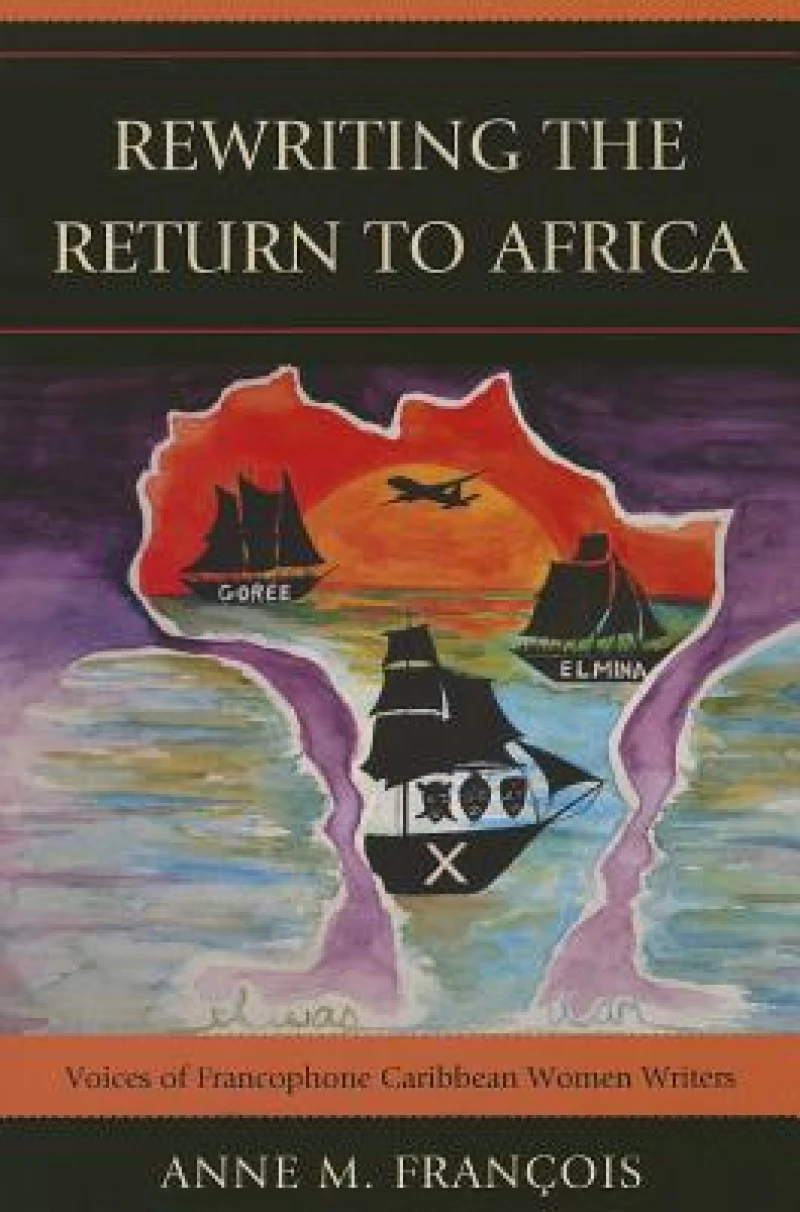
Rewriting The Return to Africa: Voices of Francophone Caribbean Women Writers examines the ways Guadeloupean women writers Maryse Conde, Simone Schwarz-Bart and Myriam Warner-Vieyra demystify the theme of the return to Africa as opposed to the masculinist version by Negritude male writers from the 1930s to 1960s. Negritude, a cultural and literary movement, drew much of its strength from the idea of a mythical or cultural reconnection with the African past allegorized as a mother figure. In contrast these women writers, of the post-colonial era who are to large extent heirs of Negritude, differ sharply from their male counterparts in their representation of Africa. In their novels, the continent is not represented as a propitious mother figure but a disappointing father figure. This study argues that these women writers' subversion of the metaphorical figure of Africa and its transformation is tied to their gender. The women novelists are indeed critical of a female allegorization of the land that is reminiscent of a colonial or nationalist project and a simplistic representation of motherhood that does not reflect the complexities of the Diaspora's relation to origins and identity. Unlike the primary male writers of the Negritude movement, they carefully "gendered" the notion of return by choosing female protagonists who made their way back to the Motherland in search of identity. I argue that writing is a more suitable space for the female subject seeking identity because it allows her to have a voice and become subject rather than object as that was the case with the Negritude writers. The women writers' shattering of the image of Mother Africa and subsequently that of Father Africa highlights the complex relationship between Africa and the Diaspora from a female point of view. It shifts the identity quest of the characters towards the Caribbean, which emerges as the real problematic mother: a multi-faceted, fragmented figure that reflects the constitutive clash that occurred in the archipelago between Europe, Africa, and the Americas where the issues of race, gender, class, culture, ethnicity, history, and language are very complex.
Rewriting The Return to Africa: Voices of Francophone Caribbean Women Writers examines the ways Guadeloupean women writers Maryse Condé, Simone Schwarz-Bart and Myriam Warner-Vieyra demystify the theme of the return to Africa as opposed to the masculinist version by Négritude male writers from the 1930s to 1960s. Négritude, a cultural and literary movement, drew much of its strength from the idea of a mythical or cultural reconnection with the African past allegorized as a mother figure. In contrast these women writers, of the post-colonial era who are to large extent heirs of Négritude, differ sharply from their male counterparts in their representation of Africa. In their novels, the continent is not represented as a propitious mother figure but a disappointing father figure. This study argues that these women writers'' subversion of the metaphorical figure of Africa and its transformation is tied to their gender. The women novelists are indeed critical of a female allegorization of the land that is reminiscent of a colonial or nationalist project and a simplistic representation of motherhood that does not reflect the complexities of the Diaspora''s relation to origins and identity. Unlike the primary male writers of the Négritude movement, they carefully "gendered" the notion of return by choosing female protagonists who made their way back to the Motherland in search of identity. I argue that writing is a more suitable space for the female subject seeking identity because it allows her to have a voice and become subject rather than object as that was the case with the Négritude writers. The women writers'' shattering of the image of Mother Africa and subsequently that of Father Africa highlights the complex relationship between Africa and the Diaspora from a female point of view. It shifts the identity quest of the characters towards the Caribbean, which emerges as the real problematic mother: a multi-faceted, fragmented figure that reflects the constitutive clash that occurred in the archipelago between Europe, Africa, and the Americas where the issues of race, gender, class, culture, ethnicity, history, and language are very complex.

Get Rewriting the Return to Africa by at the best price and quality guaranteed only at Werezi Africa's largest book ecommerce store. The book was published by Bloomsbury Publishing Plc and it has pages.


Mind, Body, & Spirit

Shopping Cart

Africa largest book store

Sub Total:
Ebooks

Digital Library
Coming Soon

Our digital collection is currently being curated to ensure the best possible reading experience on Werezi. We'll be launching our Ebooks platform shortly.