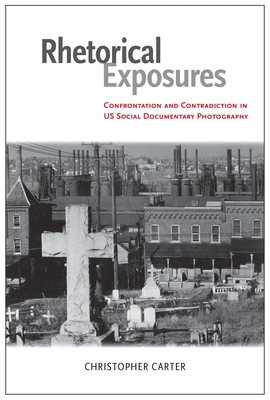
Rhetorical Exposures : Confrontation and Contradiction in US Social Documentary Photography
Book Details
Format
Hardback
Book Series
Rhetoric, Culture, and, Social Critique
ISBN-10
0817318623
ISBN-13
9780817318628
Publisher
The University of Alabama Press
Imprint
The University of Alabama Press
Country of Manufacture
US
Country of Publication
GB
Publication Date
Apr 30th, 2015
Print length
216 Pages
Weight
495 grams
Dimensions
22.80 x 15.70 x 2.50 cms
Product Classification:
Photographic reportagePhotojournalism and documentary photographyCommunication studies
KSh 6,700.00
Publisher Out of Stock
0 in stock
Delivery Location
Delivery fee: Select location
Secure
Quality
Fast
In Rhetorical Exposures, Christopher Carter explores social documentary photography from the nineteenth century to the present to illuminate the political dimensions of photographs that highlight social injustice.
Documentary photography aims to capture the material reality of life. In Rhetorical Exposures, Christopher Carter demonstrates how the creation and display of documentary photographs—often now called “imagetexts”—both invite analysis and raise persistent questions about the political and social causes for the bleak scenes of poverty and distress captured on film.
Carter’s carefully reasoned monograph examines both formal qualities of composition and the historical contexts of the production and display of documentary photographs. In Rhetorical Exposures, Carter explores Jacob Riis’s heart-rending photos of Manhattan’s poor in late nineteenth-century New York, the iconic images of tenant farmers in west Alabama from James Agee and Walker Evans’s Let Us Now Praise Famous Men, Ted Streshinsky’s images of 1960s social movements, Camilo José Vergara’s photographic landscapes of urban dereliction in the 1970s, and Chandra McCormick’s portraits of New Orleans’s Ninth Ward scarred by Hurricane Katrina.
While not ascribing specifically political or Marxist intentions to the photographers discussed, Carter frames his arguments in a class-based dialectic that addresses material want as an ineluctable result of social inequality. He argues that social documentary photos have the powerful capacity to prompt viewers to confront injustice. Though photography may induce socially disruptive experiences, it remains vulnerable to the same power dynamics it subverts. Therefore, Carter offers a “rhetoric of exposure” that outlines how such social documentary images can be treated as highly tensioned rhetorical objects. His framework enables the analysis of photographs as heterogeneous records of the interaction of social classes and expressions of specific built environments. Rhetorical Exposures also discusses how photographs interact with oral and print media and relate to public memorials, murals, and graphic novels.
As the creation and dissemination of new media continues to evolve in an environment of increasing anxiety about growing financial inequality, Rhetorical Exposures offers a very apt and timely discussion of the ways social documentary photography is created, employed, and understood.
Documentary photography aims to capture the material reality of life. In Rhetorical Exposures, Christopher Carter demonstrates how the creation and display of documentary photographs—often now called “imagetexts”—both invite analysis and raise persistent questions about the political and social causes for the bleak scenes of poverty and distress captured on film.
Carter’s carefully reasoned monograph examines both formal qualities of composition and the historical contexts of the production and display of documentary photographs. In Rhetorical Exposures, Carter explores Jacob Riis’s heart-rending photos of Manhattan’s poor in late nineteenth-century New York, the iconic images of tenant farmers in west Alabama from James Agee and Walker Evans’s Let Us Now Praise Famous Men, Ted Streshinsky’s images of 1960s social movements, Camilo José Vergara’s photographic landscapes of urban dereliction in the 1970s, and Chandra McCormick’s portraits of New Orleans’s Ninth Ward scarred by Hurricane Katrina.
While not ascribing specifically political or Marxist intentions to the photographers discussed, Carter frames his arguments in a class-based dialectic that addresses material want as an ineluctable result of social inequality. He argues that social documentary photos have the powerful capacity to prompt viewers to confront injustice. Though photography may induce socially disruptive experiences, it remains vulnerable to the same power dynamics it subverts. Therefore, Carter offers a “rhetoric of exposure” that outlines how such social documentary images can be treated as highly tensioned rhetorical objects. His framework enables the analysis of photographs as heterogeneous records of the interaction of social classes and expressions of specific built environments. Rhetorical Exposures also discusses how photographs interact with oral and print media and relate to public memorials, murals, and graphic novels.
As the creation and dissemination of new media continues to evolve in an environment of increasing anxiety about growing financial inequality, Rhetorical Exposures offers a very apt and timely discussion of the ways social documentary photography is created, employed, and understood.
Get Rhetorical Exposures by Christopher Carter at the best price and quality guaranteed only at Werezi Africa's largest book ecommerce store. The book was published by The University of Alabama Press and it has 216 pages.
Customers Who Bought This Also Bought

James Baldwin. Steve Schapiro. The Fire Next Time
KSh 3,250.00

An-My Lê: Small Wars
KSh 9,000.00
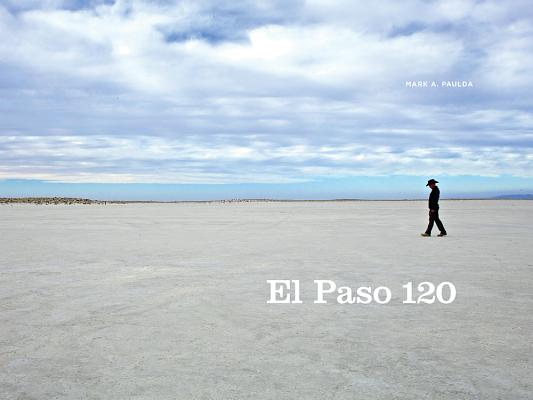
El Paso 120
KSh 5,750.00

A President in Our Midst
KSh 6,300.00

Showers of Blessing
KSh 6,650.00
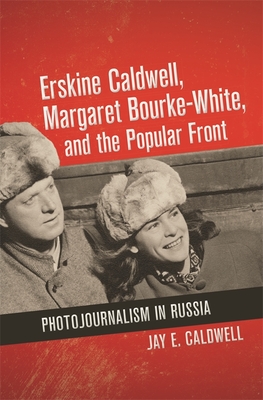
Erskine Caldwell, Margaret Bourke-White, and the Popular Front
KSh 9,050.00
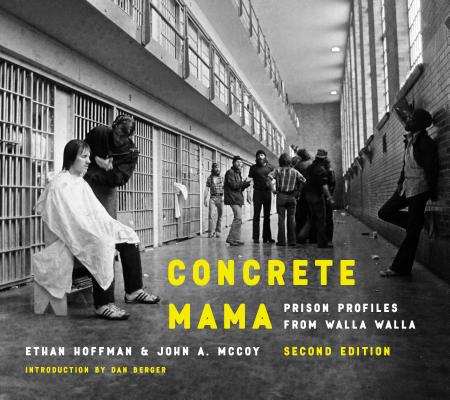
Concrete Mama – Prison Profiles from Walla Walla
KSh 8,250.00

Badges on Battle Dress
KSh 18,150.00

Apollo 7 in Photographs
KSh 8,500.00
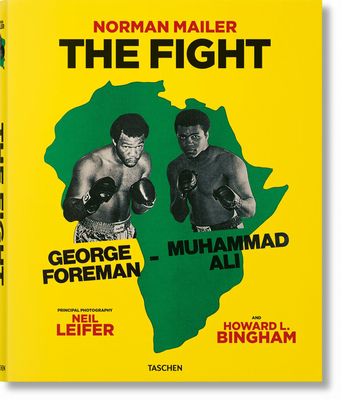
Norman Mailer. Neil Leifer. Howard L. Bingham. The Fight
KSh 14,400.00

USS Arizona (BB-39)
KSh 4,300.00

Madonna: Into the Groove
KSh 7,200.00