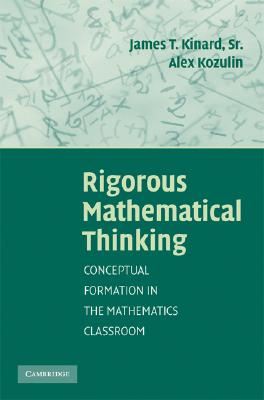
Rigorous Mathematical Thinking : Conceptual Formation in the Mathematics Classroom
Book Details
Format
Paperback / softback
ISBN-10
0521700264
ISBN-13
9780521700269
Publisher
Cambridge University Press
Imprint
Cambridge University Press
Country of Manufacture
GB
Country of Publication
GB
Publication Date
Jun 8th, 2008
Print length
216 Pages
Weight
364 grams
Dimensions
23.20 x 15.60 x 1.40 cms
KSh 5,350.00
Currently unavailable
0 in stock
Delivery Location
Delivery fee: Select location
Secure
Quality
Fast
The first book to present mathematics teaching from Vygotsky's socio-cultural theory of learning perspective. The authors introduce a RMT program that helps students to gain general thinking skills essential for all types of problem solving. They show how mathematics standards can be reached by students considered to be 'underachievers'.
This book demonstrates how rigorous mathematical thinking can be fostered through the development of students' cognitive tools and operations. This approach seems to be particularly effective with socially disadvantaged and culturally different students. The authors argue that children's cognitive functions cannot be viewed as following a natural maturational path: they should be actively constructed during the educational process. The Rigorous Mathematical Thinking (RMT) model is based on two major theoretical approaches – Vygotsky's theory of psychological tools and Feuerstein's concept of mediated learning experience. The book starts with general cognitive tools that are essential for all types of problem solving and then moves to mathematically specific cognitive tools and methods for utilizing these tools for mathematical conceptual formation. The application of the RMT model in various urban classrooms demonstrates how mathematics education standards can be reached even by the students with a history of educational failure who were considered hopeless underachievers.
Get Rigorous Mathematical Thinking by Alex Kozulin, James T. Kinard at the best price and quality guaranteed only at Werezi Africa's largest book ecommerce store. The book was published by Cambridge University Press and it has 216 pages.
Customers Who Bought This Also Bought
Make It Stick – The Science of Successful Learning
KSh 5,200.00
The Perks of Being a Bookworm
KSh 4,500.00
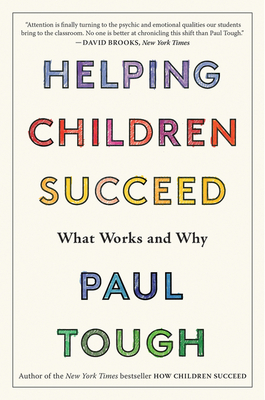
Helping Children Succeed
KSh 3,050.00

Secondary Traumatic Stress in Teaching
KSh 5,750.00

Learning Without Lessons
KSh 13,100.00
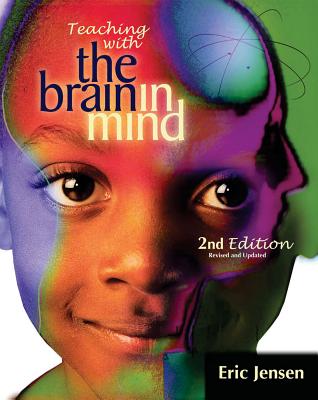
Teaching with the Brain in Mind
KSh 5,150.00
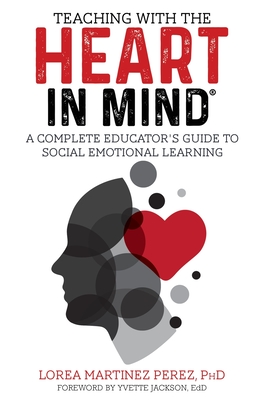
Teaching with the HEART in Mind
KSh 3,700.00

Teaching in the Wobble
KSh 5,750.00
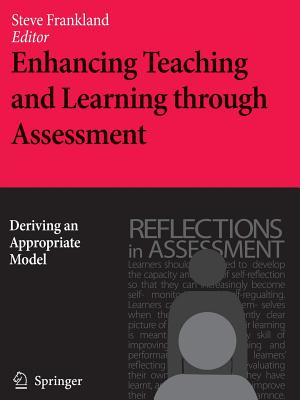
Enhancing Teaching and Learning through Assessment
KSh 32,400.00
Authority and the Teacher
KSh 5,200.00

School Didactics And Learning
KSh 30,950.00
Text Messaging and Literacy - The Evidence
KSh 30,950.00