
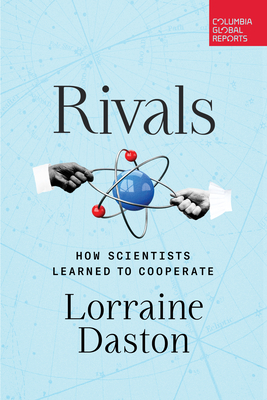
Rivals : How Scientists Learned to Cooperate
Book Details
Format
Paperback / softback
ISBN-10
898705356Y
ISBN-13
9798987053560
Publisher
Columbia Global Reports
Imprint
Columbia Global Reports
Country of Manufacture
GB
Country of Publication
GB
Publication Date
Dec 1st, 2023
Print length
160 Pages
Weight
178 grams
Dimensions
12.60 x 19.00 x 1.40 cms
Product Classification:
Social & cultural historySocial and cultural historyHistory of science
KSh 2,350.00
Werezi Extended Catalogue
Delivery in 12 days
3 copies in stock
Delivery Location
Delivery fee: Select location
Delivery in 12 days
Secure
Quality
Fast
Why is the scientific community so unified?
In the last 350-odd years, the international “scientific community” has come to be the bastion of consensus and concerted action, especially in the face of two global crises: disastrous climate change, and a deadly pandemic. How did “the scientific community” come into existence, and why does it work?
Rivals is an attempt to answer these questions in the form of a brief historical overview, from the late seventeenth to the early twenty-first centuries, through the creation of two enormous projects—the Carte du Ciel, or the great star map, and the International Cloud Atlas, pioneered by the World Meteorological Organization after World War II. These new models of intergovernmental collaboration and global observation networks would later make the mounting evidence of planetary phenomena like climate change possible.
Drawing upon original documents stored in Paris, Geneva, and Uppsala, historian of science Lorraine Daston offers a fascinating, lively study of successful and unsuccessful scientific collaborations. Rivals is indispensable both as history and as guidance.
In the last 350-odd years, the international “scientific community” has come to be the bastion of consensus and concerted action, especially in the face of two global crises: disastrous climate change, and a deadly pandemic. How did “the scientific community” come into existence, and why does it work?
Rivals is an attempt to answer these questions in the form of a brief historical overview, from the late seventeenth to the early twenty-first centuries, through the creation of two enormous projects—the Carte du Ciel, or the great star map, and the International Cloud Atlas, pioneered by the World Meteorological Organization after World War II. These new models of intergovernmental collaboration and global observation networks would later make the mounting evidence of planetary phenomena like climate change possible.
Drawing upon original documents stored in Paris, Geneva, and Uppsala, historian of science Lorraine Daston offers a fascinating, lively study of successful and unsuccessful scientific collaborations. Rivals is indispensable both as history and as guidance.
Get Rivals by Lorraine Daston at the best price and quality guaranteed only at Werezi Africa's largest book ecommerce store. The book was published by Columbia Global Reports and it has 160 pages.
Customers Who Bought This Also Bought
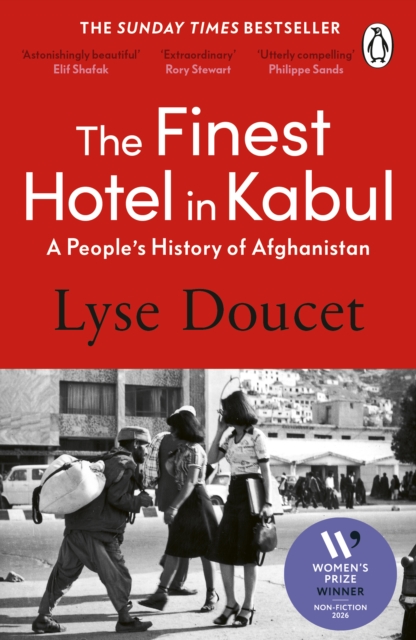
The Finest Hotel in Kabul
KSh 2,150.00

Black Wave
KSh 2,700.00

Migrations
KSh 5,450.00

Art of War / The Book of Lord Shang
KSh 1,100.00

Nexus
KSh 2,350.00

World According to Colour
KSh 2,700.00
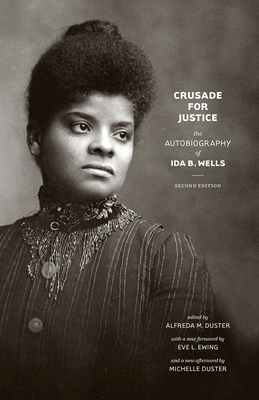
Crusade for Justice – The Autobiography of Ida B. Wells, Second Edition
KSh 4,050.00

Modern Classics Road To Wigan Pier
KSh 1,800.00
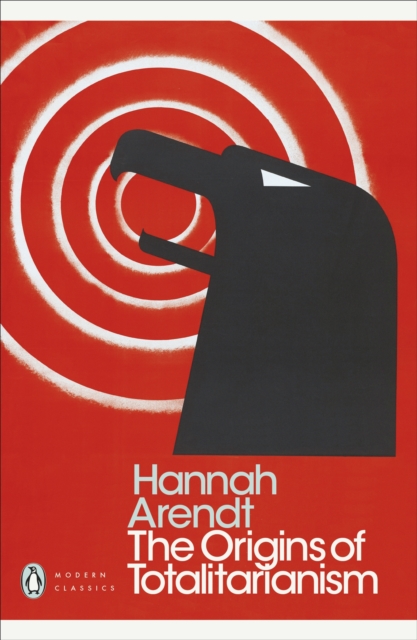
The Origins of Totalitarianism
KSh 2,700.00

In the Wake
KSh 3,600.00
Question of Palestine
KSh 2,700.00

Palestine
KSh 2,400.00
More by Lorraine Daston

Diversity
KSh 3,050.00

Rules – A Short History of What We Live By
KSh 3,100.00
Against Nature
KSh 3,250.00
How Reason Almost Lost Its Mind – The Strange Career of Cold War Rationality
KSh 4,300.00
Rules
KSh 7,200.00
How Reason Almost Lost Its Mind
KSh 14,400.00

Empire of Chance
KSh 5,300.00
Objectivity
KSh 5,950.00

Classical Probability in the Enlightenment, New Edition
KSh 5,400.00

Wonders and the Order of Nature 1150–1750
KSh 6,450.00
