
Cart 0
Roman Legionary vs Gallic Warrior
Click to zoom

Share this book

Roman Legionary vs Gallic Warrior : 58–52 BC

Book Details

Format Paperback / Softback
Book Series Combat
ISBN-10 1472844246
ISBN-13 9781472844248
Publisher Bloomsbury Publishing PLC
Imprint Osprey Publishing
Country of Manufacture GB
Country of Publication GB
Publication Date Apr 15th, 2021
Print length 80 Pages
Weight 262 grams
Dimensions 18.40 x 36.00 x 0.70 cms
Ksh 2,900.00
Werezi Extended Catalogue Delivery in 14 days

Delivery Location

Delivery fee: Select location

Delivery in 14 days

Secure
Quality
Fast
In the manner of many Roman generals, Caesar would write his domestic political ambitions in the blood and treasure of foreign lands. His governorship of Cisalpine Gaul gave him the opportunity to demonstrate the greatness of his character to the people of Rome through the subjugation of those outside Rome’s borders. The fact that the main account of the subsequent wars in Gaul was written by Caesar himself – by far the most detailed history of the subject, with new reports issued annually for the eager audience at home –is no accident. The Roman Army of the late Republic had long been in the process of structural and change, moving towards the all-volunteer permanent standing force that would for centuries be the bulwark of the coming Empire. Well-armed and armoured, this professional army was trained to operate within self-supporting legions, with auxiliaries employed in roles the legions lacked such as light troops or cavalry. The Roman legions were in many ways a modern force, with formations designed around tactical goals and held together by discipline, training and common purpose. The armies fielded by the tribes of Gaul were for the most part lightly armed and armoured, with fine cavalry and a well-deserved reputation for ferocity. As might be expected from a region made up of different tribes with a range of needs and interests, there was no consensus on how to make war, though when large armies were gathered it was usually with the express purpose of bringing the enemy to heel in a pitched battle. For most Gauls – and certainly the military elites of the tribes – battle was an opportunity to prove their personal courage and skill, raising their status in the eyes of friends and foes alike. Fully illustrated, this study investigates the Roman and Gallic forces pitched into combat in three battles: Bibracte (58 BC), Sabis (57 BC) and Gergovia/Alesia (52 BC). Although charismatic Gallic leaders did rise up – notably Dumnorix of the Aedui and later Vercingetorix of the Arverni – and proved to be men capable of bringing together forces that had the prospect of checking Caesar’s ambitions in the bloodiest of ways, it would not be enough. For Caesar his war against the Gauls provided him with enormous power and the springboard he needed to make Rome his own, though his many domestic enemies would ensure that he did not long enjoy his success.

In the manner of many Roman generals, Caesar would write his domestic political ambitions in the blood and treasure of foreign lands. His governorship of Cisalpine Gaul gave him the opportunity to demonstrate the greatness of his character to the people of Rome through the subjugation of those outside Rome’s borders. The fact that the main account of the subsequent wars in Gaul was written by Caesar himself – by far the most detailed history of the subject, with new reports issued annually for the eager audience at home –is no accident.

The Roman Army of the late Republic had long been in the process of structural and change, moving towards the all-volunteer permanent standing force that would for centuries be the bulwark of the coming Empire. Well-armed and armoured, this professional army was trained to operate within self-supporting legions, with auxiliaries employed in roles the legions lacked such as light troops or cavalry. The Roman legions were in many ways a modern force, with formations designed around tactical goals and held together by discipline, training and common purpose.

The armies fielded by the tribes of Gaul were for the most part lightly armed and armoured, with fine cavalry and a well-deserved reputation for ferocity. As might be expected from a region made up of different tribes with a range of needs and interests, there was no consensus on how to make war, though when large armies were gathered it was usually with the express purpose of bringing the enemy to heel in a pitched battle. For most Gauls – and certainly the military elites of the tribes – battle was an opportunity to prove their personal courage and skill, raising their status in the eyes of friends and foes alike.

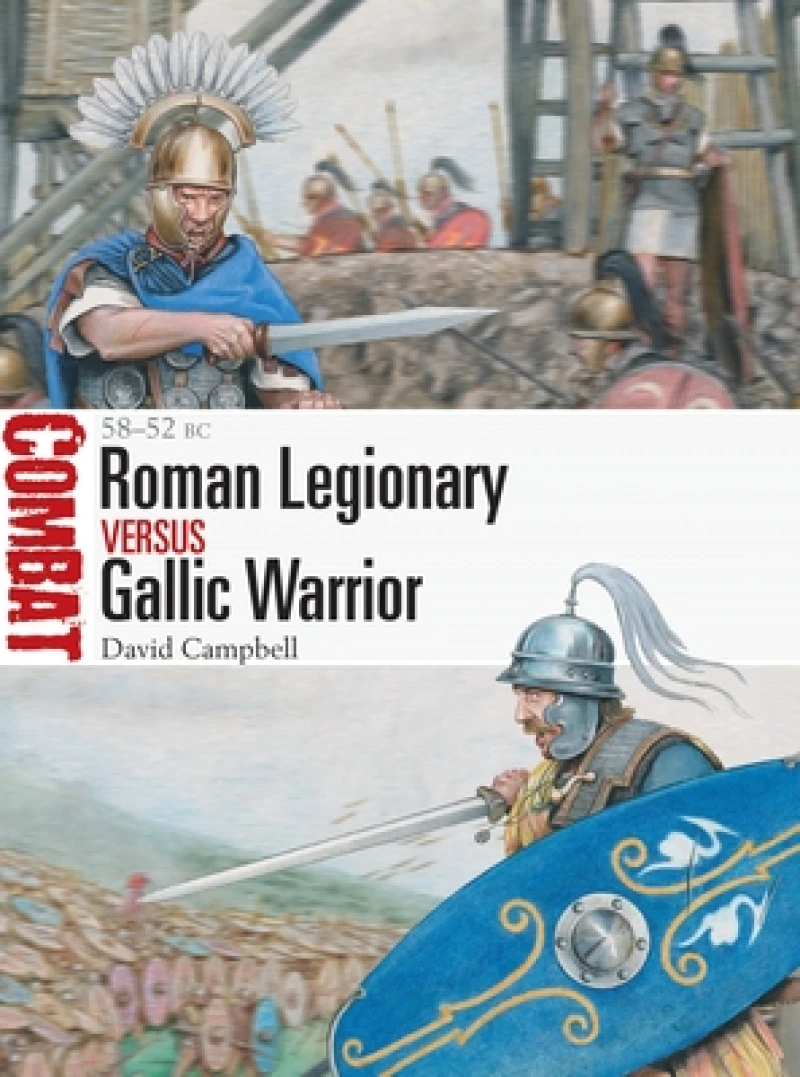
Fully illustrated, this study investigates the Roman and Gallic forces pitched into combat in three battles: Bibracte (58 BC), Sabis (57 BC) and Gergovia/Alesia (52 BC). Although charismatic Gallic leaders did rise up – notably Dumnorix of the Aedui and later Vercingetorix of the Arverni – and proved to be men capable of bringing together forces that had the prospect of checking Caesar’s ambitions in the bloodiest of ways, it would not be enough. For Caesar his war against the Gauls provided him with enormous power and the springboard he needed to make Rome his own, though his many domestic enemies would ensure that he did not long enjoy his success.


Get Roman Legionary vs Gallic Warrior by at the best price and quality guaranteed only at Werezi Africa's largest book ecommerce store. The book was published by Bloomsbury Publishing PLC and it has pages.


Mind, Body, & Spirit

Price

Ksh 2,900.00

Shopping Cart

Africa largest book store

Sub Total:
Ebooks

Digital Library
Coming Soon

Our digital collection is currently being curated to ensure the best possible reading experience on Werezi. We'll be launching our Ebooks platform shortly.