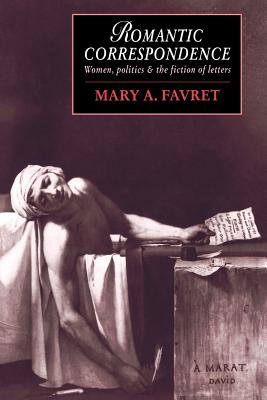
Romantic Correspondence : Women, Politics and the Fiction of Letters
Book Details
Format
Paperback / softback
Book Series
Cambridge Studies in Romanticism
ISBN-10
0521604281
ISBN-13
9780521604284
Publisher
Cambridge University Press
Imprint
Cambridge University Press
Country of Manufacture
GB
Country of Publication
GB
Publication Date
Jan 27th, 2005
Print length
284 Pages
Weight
444 grams
Dimensions
15.20 x 22.90 x 2.10 cms
KSh 7,950.00
Currently unavailable
0 in stock
Delivery Location
Delivery fee: Select location
Secure
Quality
Fast
This study of correspondence in the Romantic period calls into question the common notion that letters are a particularly 'romantic', personal, and ultimately feminine form of writing.
The literary importance of letters did not end with the demise of the eighteenth-century epistolary novel. In the turbulent period between 1789 and 1830, the letter was used as a vehicle for political rather than sentimental expression. Against a background of severe political censorship, seditious Corresponding Societies, and the rise of the modern Post Office, letters as they are used by Romantic writers, especially women, become the vehicle for a distinctly political, often disruptive force. Mary Favret's study of Romantic correspondence reexamines traditional accounts of epistolary writing, and redefines the letter as a 'feminine' genre. The book deals not only with letters which circulated in the novels of Austen or Mary Shelley, but also with political pamphlets, incendiary letters and spy letters available for public consumption.
Get Romantic Correspondence by Mary A. Favret at the best price and quality guaranteed only at Werezi Africa's largest book ecommerce store. The book was published by Cambridge University Press and it has 284 pages.
Customers Who Bought This Also Bought
The Picture of Dorian Gray
KSh 1,250.00
Pride and Prejudice
KSh 1,150.00
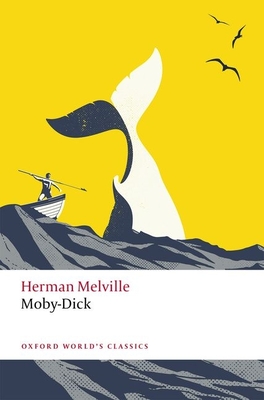
Moby-Dick
KSh 1,750.00
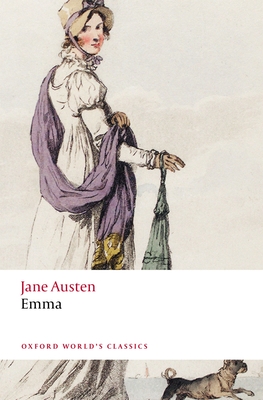
Emma
KSh 1,350.00
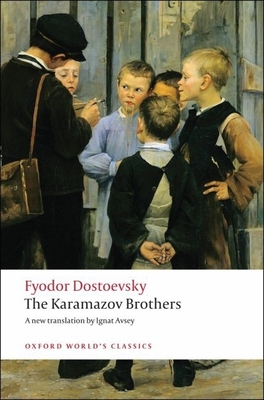
The Karamazov Brothers
KSh 2,100.00
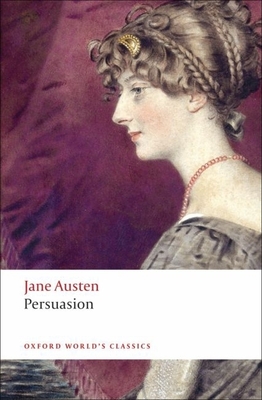
Persuasion
KSh 1,100.00
Bleak House
KSh 2,150.00
What Matters in Jane Austen?
KSh 2,700.00
A Tale of Two Cities
KSh 1,200.00
Little Women
KSh 1,550.00
David Copperfield
KSh 2,100.00
Mansfield Park
KSh 1,250.00