
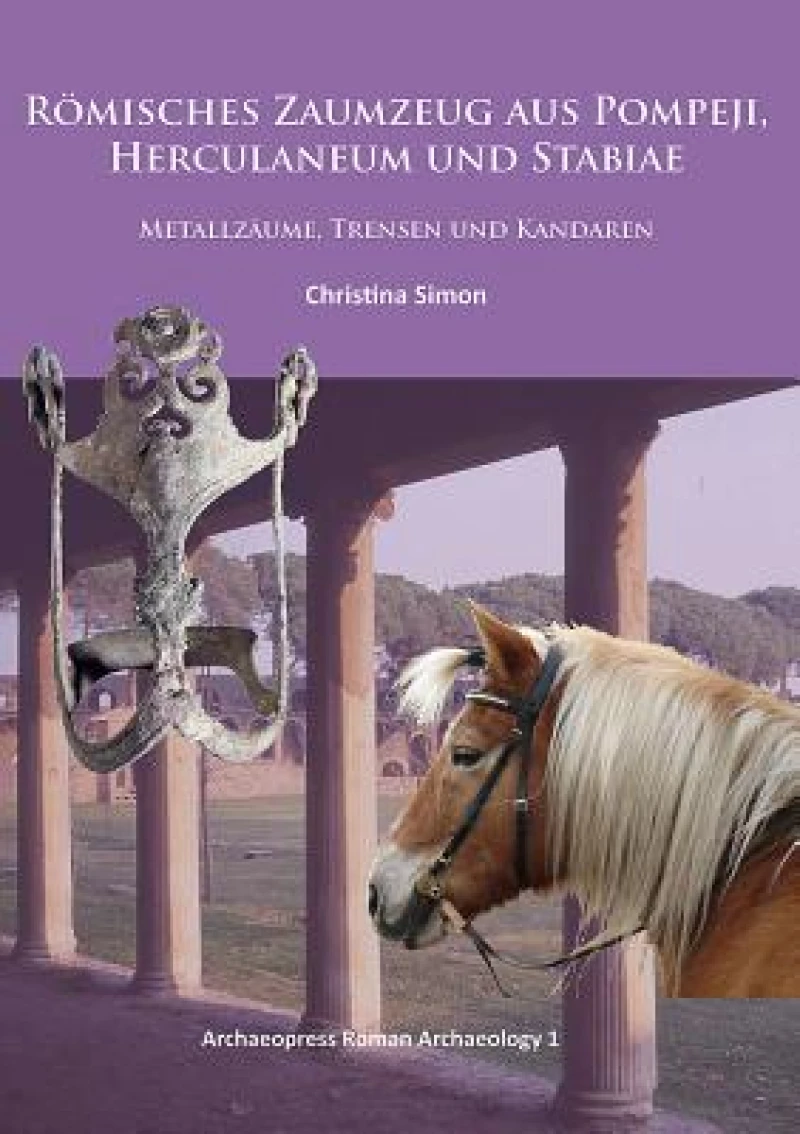
Romisches Zaumzeug aus Pompeji, Herculaneum und Stabiae : Metallzaume, Trensen und Kandaren
UK ed.
Book Details
Format
Paperback / Softback
Book Series
Archaeopress Roman Archaeology
ISBN-10
1784910341
ISBN-13
9781784910341
Edition
UK ed.
Publisher
Archaeopress
Imprint
Archaeopress Archaeology
Country of Manufacture
GB
Country of Publication
GB
Publication Date
Dec 31st, 2014
Print length
248 Pages
Weight
792 grams
Dimensions
21.10 x 29.60 x 1.40 cms
Product Classification:
Military historyClassical Greek & Roman archaeologyHorses & ponies
Ksh 7,150.00
Werezi Extended Catalogue
Delivery in 14 days
1 copies in stock
Delivery Location
Delivery fee: Select location
Delivery in 14 days
Secure
Quality
Fast
Few regions possess so many and mainly complete Roman bridles as do the Vesuvian sites. Singular find conditions permit both comprehensive antiquarian-historian analyses of their production, functionality, and everyday use and new approaches to their typology and chronology.
Few regions possess so many and mainly complete Roman bridles as do the Vesuvian sites. Singular find conditions permit both comprehensive antiquarian-historian analyses of their production, functionality, and everyday use and new approaches to their typology and chronology. The 103 catalogued specimens belong to four types of bronze headstalls, namely metallic noseband, bitless metal bridle (“hackamore”), multipartite metallic bridle (“metallic halter”), and muzzle as well as two types of bits, namely snaffle bit with circular cheekpieces and curb bit. All of them occurred in more or less numerous variants of local or provincial origin. Special attention is paid to the reconstruction of application methods and combinations of types as well as the replica of a snaffle bit with circular cheekpieces. Bitless metal bridles followed Greek models, multipartite metallic bridles Celtiberian ones and, in combination with Thracian or Italian curb bits, formed typical military bridles. All Campanian finds came from civilian contexts such as luxury villae, villae rusticae, urban houses, and workshops. Thanks to find circumstances they can be attributed to draught animals, beasts of burden or mounts (horse, donkey, mule) which also showed up in stables and skeletal remains.
Get Romisches Zaumzeug aus Pompeji, Herculaneum und Stabiae by at the best price and quality guaranteed only at Werezi Africa's largest book ecommerce store. The book was published by Archaeopress and it has pages.

