

Sagehood : The Contemporary Significance of Neo-Confucian Philosophy
Book Details
Format
Hardback
ISBN-10
0195385144
ISBN-13
9780195385144
Publisher
Oxford University Press Inc
Imprint
Oxford University Press Inc
Country of Manufacture
US
Country of Publication
GB
Publication Date
Nov 12th, 2009
Print length
310 Pages
Weight
599 grams
Dimensions
23.90 x 15.50 x 2.50 cms
Product Classification:
Oriental & Indian philosophyEthics & moral philosophyConfucianism
KSh 9,250.00
Temporarily out of stock, due soon
0 in stock
Delivery Location
Delivery fee: Select location
Secure
Quality
Fast
Neo-Confucianism is the sophisticated revival of Confucian theorizing, responding to challenges from Buddhism and Daoism, which began around 1000 C.E. and came to dominate the Chinese intellectual scene for centuries thereafter. What would happen if we took Neo-Confucianism and its central ideal of sagehood seriously as contemporary philosophy? Sagehood represents supreme human virtue: a flawless, empathetic responsiveness to every situation in which one finds oneself. How could this be possible? How might one work toward such a state? According to Neo-Confucians, we should all strive to become sages, whether or not we ultimately achieve it. Taking neo-Confucianism seriously means to explore the ways that its theories of psychology, ethics, education, and politics engage with the views of contemporary philosophers. Angle's book is therefore both an exposition of Neo-Confucian philosophy and a sustained dialogue with many leading Western thinkers--and especially with those philosophers leading the current renewal of interest in virtue ethics. The book's significance is two-fold: it argues for a new stage in the development of contemporary Confucian philosophy, and it demonstrates the value to Western philosophers of engaging with the Neo-Confucian tradition.
Neo-Confucianism is the sophisticated revival of Confucian theorizing, responding to challenges from Buddhism and Daoism, which began around 1000 C.E. and came to dominate the Chinese intellectual scene for centuries thereafter. What would happen if we took Neo-Confucianism and its central ideal of sagehood seriously as contemporary philosophy? Sagehood represents supreme human virtue: a flawless, empathetic responsiveness to every situation in which one finds oneself. How could this be possible? How might one work toward such a state? According to Neo-Confucians, we should all strive to become sages, whether or not we ultimately achieve it. Taking neo-Confucianism seriously means to explore the ways that its theories of psychology, ethics, education, and politics engage with the views of contemporary philosophers. Angle''s book is therefore both an exposition of Neo-Confucian philosophy and a sustained dialogue with many leading Western thinkers--and especially with those philosophers leading the current renewal of interest in virtue ethics. The book''s significance is two-fold: it argues for a new stage in the development of contemporary Confucian philosophy, and it demonstrates the value to Western philosophers of engaging with the Neo-Confucian tradition.
Get Sagehood by Stephen C. Angle at the best price and quality guaranteed only at Werezi Africa's largest book ecommerce store. The book was published by Oxford University Press Inc and it has 310 pages.
Customers Who Bought This Also Bought
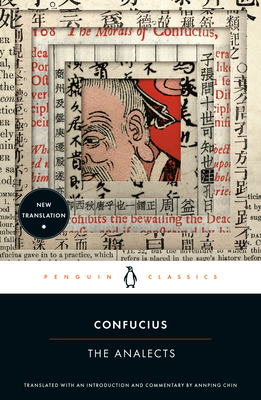
The Analects
KSh 2,350.00
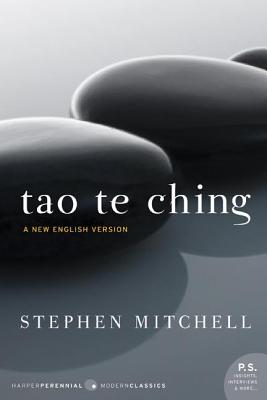
Tao Te Ching
KSh 3,050.00
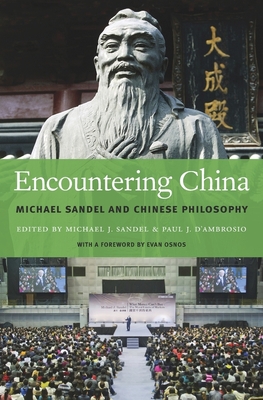
Encountering China – Michael Sandel and Chinese Philosophy
KSh 4,850.00

Ardor
KSh 2,350.00
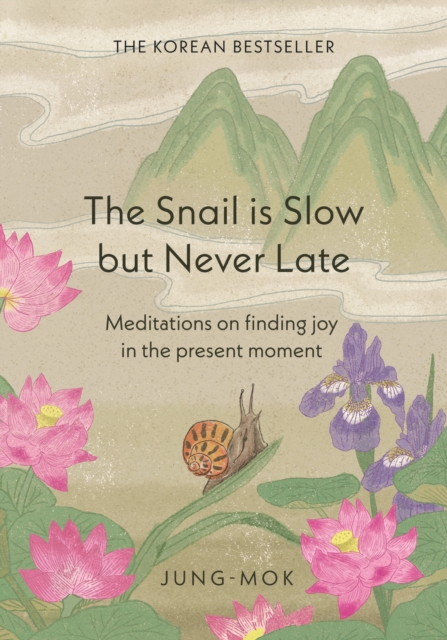
The Snail is Slow but Never Late
KSh 3,050.00
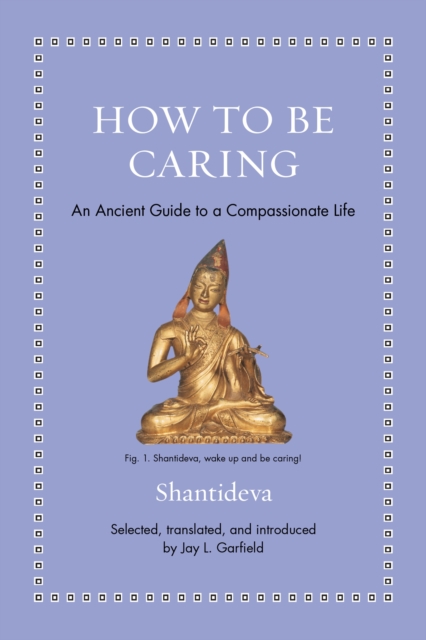
How to Be Caring – An Ancient Guide to a Compassionate Life
KSh 2,700.00
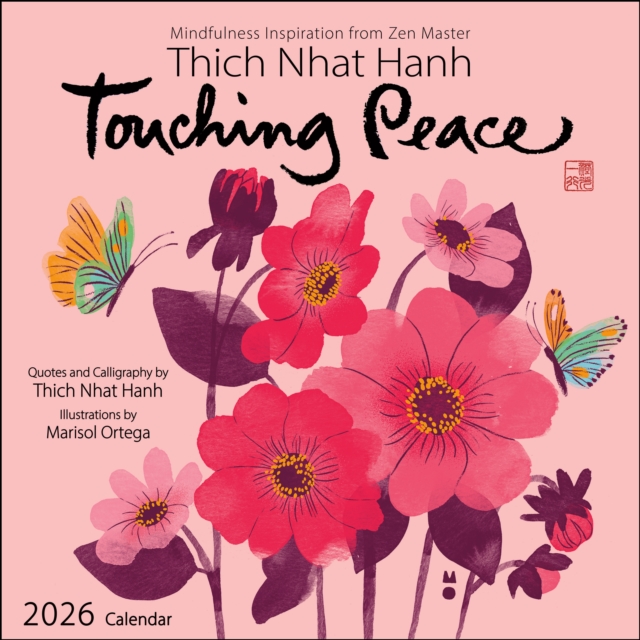
Thich Nhat Hanh 2026 Wall Calendar
KSh 2,150.00
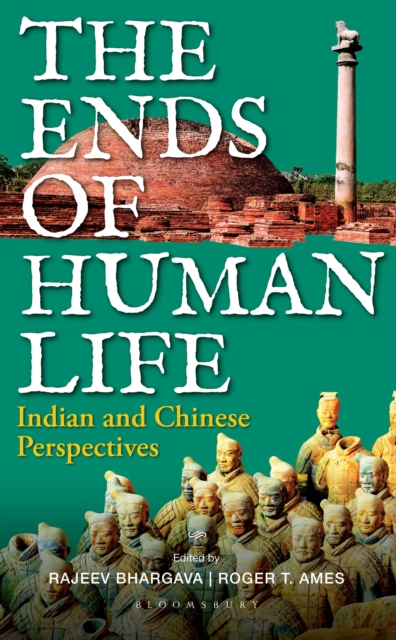
Ends of Human Life
KSh 16,550.00

Analects
KSh 3,400.00

Zhuangzi: The Essential Writings
KSh 3,600.00

Four Books
KSh 2,900.00

Essential Analects
KSh 2,350.00
More by Stephen C. Angle
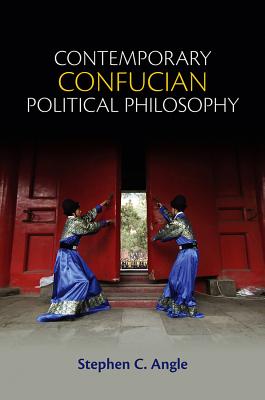
Contemporary Confucian Political Philosophy
KSh 9,900.00

The Chinese Human Rights Reader
KSh 10,800.00
Human Rights and Chinese Thought
KSh 8,850.00
The Chinese Human Rights Reader
KSh 30,950.00
Neo–Confucianism – A Philosophical Introduction
KSh 9,900.00
Human Rights in Chinese Thought
KSh 20,350.00
Growing Moral
KSh 3,600.00
