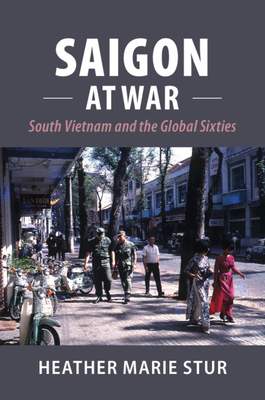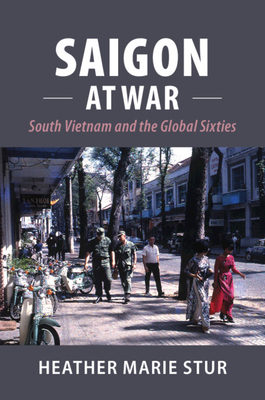
Saigon at War : South Vietnam and the Global Sixties
Book Details
Format
Paperback / softback
Book Series
Cambridge Studies in US Foreign Relations
ISBN-10
1316614115
ISBN-13
9781316614112
Publisher
Cambridge University Press
Imprint
Cambridge University Press
Country of Manufacture
US
Country of Publication
GB
Publication Date
Jun 11th, 2020
Print length
292 Pages
Weight
436 grams
Dimensions
22.70 x 15.30 x 1.70 cms
KSh 5,150.00
Currently unavailable
0 in stock
Delivery Location
Delivery fee: Select location
Secure
Quality
Fast
South Vietnamese activists, intellectuals, students, and professionals had multiple visions for Vietnam's future as an independent nation. In expressing their views in the press and in public demonstrations, they performed democracy even as the Saigon government and US intervention stymied the development of democratic institutions.
During South Vietnam''s brief life as a nation, it exhibited glimmers of democracy through citizen activism and a dynamic press. South Vietnamese activists, intellectuals, students, and professionals had multiple visions for Vietnam''s future as an independent nation. Some were anticommunists, while others supported the National Liberation Front and Hanoi. In the midst of war, South Vietnam represented the hope and chaos of decolonization and nation building during the Cold War. U.S. Embassy officers, State Department observers, and military advisers sought to cultivate a base of support for the Saigon government among local intellectuals and youth, but government arrests and imprisonment of political dissidents, along with continued war, made it difficult for some South Vietnamese activists to trust the Saigon regime. Meanwhile, South Vietnamese diplomats, including anticommunist students and young people who defected from North Vietnam, travelled throughout the world in efforts to drum up international support for South Vietnam. Drawing largely on Vietnamese language sources, Heather Stur demonstrates that the conflict in Vietnam was really three wars: the political war in Saigon, the military war, and the war for international public opinion.
Get Saigon at War by Heather Marie Stur at the best price and quality guaranteed only at Werezi Africa's largest book ecommerce store. The book was published by Cambridge University Press and it has 292 pages.
Customers Who Bought This Also Bought

From Third World to First
KSh 3,200.00

Breakneck
KSh 4,500.00

India After Gandhi
KSh 4,850.00

Anarchy
KSh 2,700.00

On China
KSh 3,400.00
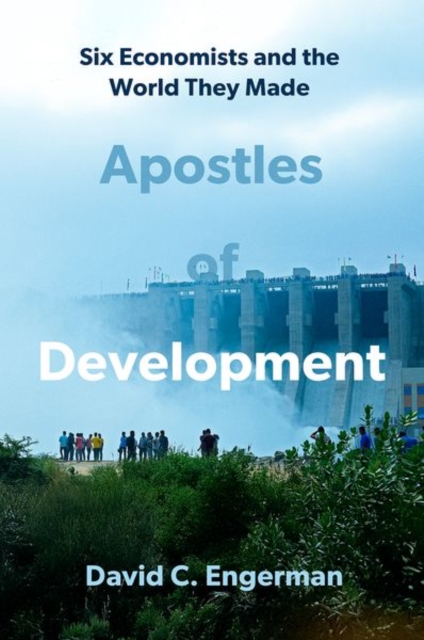
Apostles of Development
KSh 5,600.00
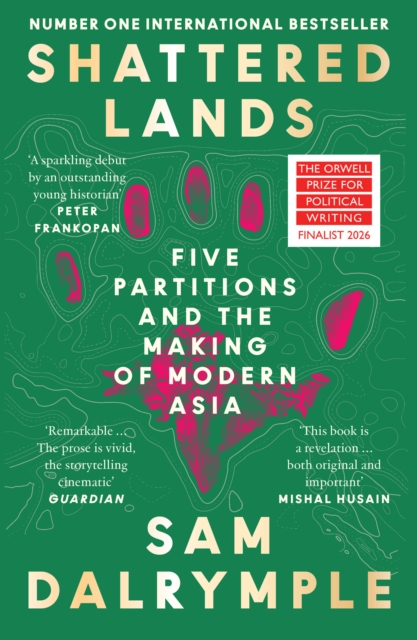
Shattered Lands
KSh 2,000.00
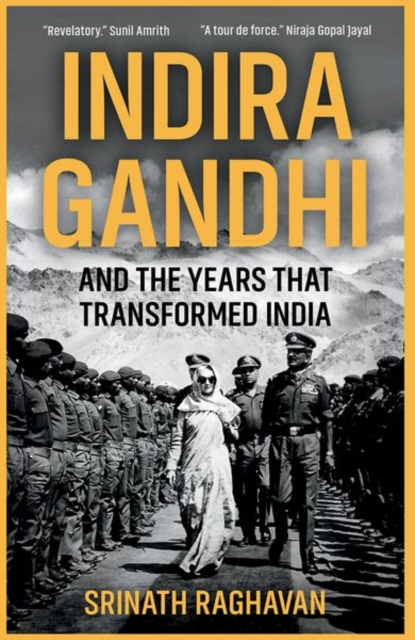
Indira Gandhi and the Years that Transformed India
KSh 5,050.00
India: A Wounded Civilization
KSh 2,000.00
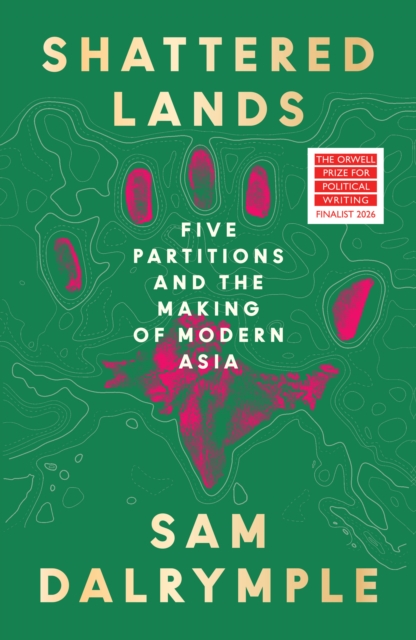
Shattered Lands
KSh 3,200.00

Games without Rules
KSh 2,900.00

Ghost Nation
KSh 3,950.00