
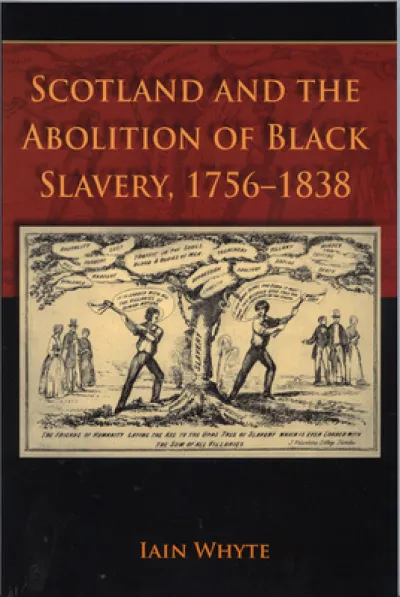
Scotland and the Abolition of Black Slavery, 1756-1838
by
Iain Whyte
Book Details
Format
Paperback / Softback
ISBN-10
0748624333
ISBN-13
9780748624331
Publisher
Edinburgh University Press
Imprint
Edinburgh University Press
Country of Manufacture
GB
Country of Publication
GB
Publication Date
Jun 21st, 2006
Print length
256 Pages
Weight
428 grams
Dimensions
16.00 x 23.40 x 1.90 cms
Product Classification:
Slavery & abolition of slavery
Ksh 6,100.00
Werezi Extended Catalogue
0 in stock
Delivery Location
Delivery fee: Select location
Secure
Quality
Fast
Although much has been written about Scottish involvement in slavery, the contribution of Scots to the abolition of black slavery has not yet been sufficiently recognised. This book starts with a Virginian slave seeking his freedomin Scotland in 1756 and ends with the abolition of the apprenticeship scheme in the West Indian colonies in 1838.
Although much has been written about Scottish involvement in slavery, the contribution of Scots to the abolition of black slavery has not yet been sufficiently recognised. This book starts with a Virginian slave seeking his freedom in Scotland in 1756 and ends with the abolition of the apprenticeship scheme in the West Indian colonies in 1838.
Contemporary documents and periodicals reveal a groundswell of revulsion to what was described as "the horrible traffik in humans". Petitions to Parliament came from remote islands in Shetland as well as from large public meetings in cities. In a land steeped in religion, ministers and church leaders took the lead in giving theological support to the cause of abolition. The contributions of five London Scots who were pivotal to the campaign throughout Britain are set against opposition to abolition from many Scots with commercial interests in the slave trade and the sugar plantations.
Missionaries and miners, trades guilds and lawyers all played their parts in challenging slavery. Many of their struggles and frustrations are detailed for the first time in an assessment of the unique contribution made by Scotland and the Scots to the destruction of an institution whose effects are still with us today.
Contemporary documents and periodicals reveal a groundswell of revulsion to what was described as "the horrible traffik in humans". Petitions to Parliament came from remote islands in Shetland as well as from large public meetings in cities. In a land steeped in religion, ministers and church leaders took the lead in giving theological support to the cause of abolition. The contributions of five London Scots who were pivotal to the campaign throughout Britain are set against opposition to abolition from many Scots with commercial interests in the slave trade and the sugar plantations.
Missionaries and miners, trades guilds and lawyers all played their parts in challenging slavery. Many of their struggles and frustrations are detailed for the first time in an assessment of the unique contribution made by Scotland and the Scots to the destruction of an institution whose effects are still with us today.
Get Scotland and the Abolition of Black Slavery, 1756-1838 by at the best price and quality guaranteed only at Werezi Africa's largest book ecommerce store. The book was published by Edinburgh University Press and it has pages.

