
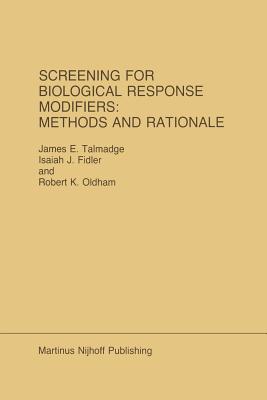
Screening for Biological Response Modifiers
Softcover reprint of the original 1st ed. 1985
Book Details
Format
Paperback / softback
Book Series
Developments in Oncology
ISBN-10
1461296242
ISBN-13
9781461296249
Edition
Softcover reprint of the original 1st ed. 1985
Publisher
Springer-Verlag New York Inc.
Imprint
Springer-Verlag New York Inc.
Country of Manufacture
US
Country of Publication
GB
Publication Date
Nov 18th, 2011
Print length
194 Pages
Weight
336 grams
Dimensions
15.40 x 23.40 x 1.40 cms
Product Classification:
Oncology
KSh 16,200.00
Temporarily out of stock, due soon
0 in stock
Delivery Location
Delivery fee: Select location
Secure
Quality
Fast
The observation in the 1950s that nitrogen mustard and other toxic chemicals could induce antitumor responses in patients with refractory lymphoma initiated a massive search for active chemotherapeutic agents.
The observation in the 1950s that nitrogen mustard and other toxic chemicals could induce antitumor responses in patients with refractory lymphoma initiated a massive search for active chemotherapeutic agents. The initial observations stimulated a search for new chemotherapeutic agents which might have increased antitumor activity with less toxicity for normal tissues. To aid in the search for these new chemicals and to attempt to distinguish among the many toxic chemicals which might be candidates for clinical studies, the National Cancer Institute, the pharmaceutical industry, and the cancer research laboratories of most Western nations developed systems for "screening" drugs for antitumor activity. Perhaps the most extensive screening program was established by the National Cancer Institute (1). This screening program has evolved over the last two decades, an evolution which has been repeatedly reviewed (2-5). Various screening programs in use have examined over 500,000 compounds as potential anticancer agents. From these, there are now approximately forty anticancer drugs in clinical use. The utiliy of these compounds and their toxicities have been reviewed on many occasions. It is now apparent that more active and less toxic anticancer drugs are needed. It is also clear that the current screening programs are identifying compounds with similar levels of activity and with continuing moderate to severe toxicity (6).
Get Screening for Biological Response Modifiers by Isaiah J. Fidler, James E. Talmadge at the best price and quality guaranteed only at Werezi Africa's largest book ecommerce store. The book was published by Springer-Verlag New York Inc. and it has 194 pages.
Customers Who Bought This Also Bought

The Emperor of All Maladies
KSh 2,350.00

The Cancer Whisperer
KSh 2,350.00
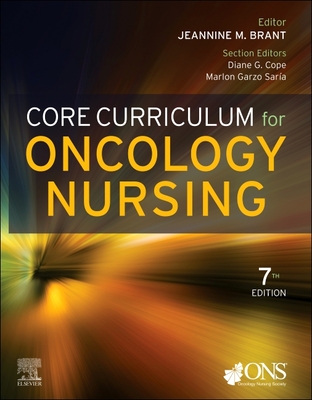
Core Curriculum for Oncology Nursing
KSh 15,150.00

Modeling Cancer Progression and the Effects of Treatment
KSh 21,950.00
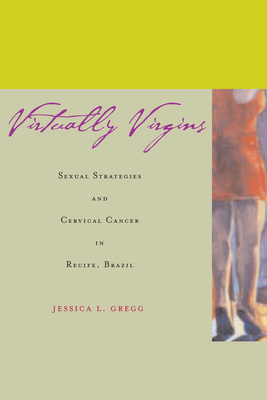
Virtually Virgins – Sexual Strategies and Cervical Cancer in Recife, Brazil
KSh 3,800.00

Tumors of the Lymph Nodes and Spleen
KSh 37,950.00
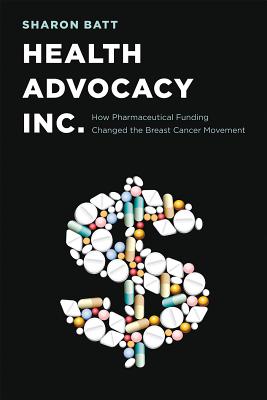
Health Advocacy, Inc. – How Pharmaceutical Funding Changed the Breast Cancer Movement
KSh 4,850.00
Breast Care Certification Review
KSh 13,700.00
Cancer Cytogenetics – Chromosomal and Molecular Genetic Aberrations of Tumor Cells 4e
KSh 25,550.00
Exploring Plant Cells for the Production of Compounds of Interest
KSh 36,000.00

Prostate Cancer Survivorship
KSh 16,200.00
Cancer Symptom Science
KSh 25,550.00
More in This Genre
The Emperor of All Maladies
KSh 2,350.00
The Cancer Whisperer
KSh 2,350.00
Core Curriculum for Oncology Nursing
KSh 15,150.00
Modeling Cancer Progression and the Effects of Treatment
KSh 21,950.00
Virtually Virgins – Sexual Strategies and Cervical Cancer in Recife, Brazil
KSh 3,800.00
Tumors of the Lymph Nodes and Spleen
KSh 37,950.00
