
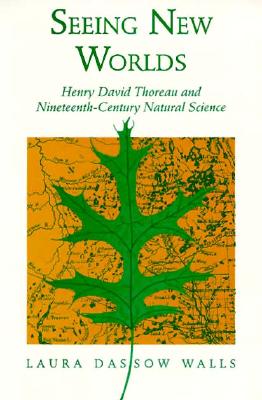
Seeing New Worlds : Henry David Thoreau and Nineteenth-century Natural Science
Book Details
Format
Paperback / softback
Book Series
Science and Literature
ISBN-10
0299147444
ISBN-13
9780299147440
Publisher
University of Wisconsin Press
Imprint
University of Wisconsin Press
Country of Manufacture
US
Country of Publication
GB
Publication Date
Oct 31st, 1995
Print length
232 Pages
Weight
440 grams
Dimensions
15.20 x 22.70 x 2.00 cms
Product Classification:
Literary studies: c 1800 to c 1900
KSh 3,500.00
Temporarily out of stock, due soon
0 in stock
Delivery Location
Delivery fee: Select location
Secure
Quality
Fast
Considering Thoreau as a serious, committed scientist, this book offers an alternative understanding of his accomplishment and the place of science in American literature. It shows how Thoreau's experience reveals the interaction between Romanticism and the dynamic, law-seeking science of its day.
Thoreau was a poet, a naturalist, a major American writer. Was he also a scientist? He was, Laura Dassow Walls suggests. Her book, the first to consider Thoreau as a serious and committed scientist, will change the way we understand his accomplishment and the place of science in American culture.
Walls reveals that the scientific texts of Thoreau’s day deeply influenced his best work, from Walden to the Journal to the late natural history essays. Here we see how, just when literature and science were splitting into the “two cultures” we know now, Thoreau attempted to heal the growing rift. Walls shows how his commitment to Alexander von Humboldt’s scientific approach resulted in not only his “marriage” of poetry and science but also his distinctively patterned nature studies. In the first critical study of his “The Dispersion of Seeds” since its publication in 1993, she exposes evidence that Thoreau was using Darwinian modes of reasoning years before the appearance of Origin of Species.
This book offers a powerful argument against the critical tradition that opposes a dry, mechanistic science to a warm, “organic” Romanticism. Instead, Thoreau’s experience reveals the complex interaction between Romanticism and the dynamic, law-seeking science of its day. Drawing on recent work in the theory and philosophy of science as well as literary history and theory, Seeing New Worlds bridges today’s “two cultures” in hopes of stimulating a fuller consideration of representations of nature.
Walls reveals that the scientific texts of Thoreau’s day deeply influenced his best work, from Walden to the Journal to the late natural history essays. Here we see how, just when literature and science were splitting into the “two cultures” we know now, Thoreau attempted to heal the growing rift. Walls shows how his commitment to Alexander von Humboldt’s scientific approach resulted in not only his “marriage” of poetry and science but also his distinctively patterned nature studies. In the first critical study of his “The Dispersion of Seeds” since its publication in 1993, she exposes evidence that Thoreau was using Darwinian modes of reasoning years before the appearance of Origin of Species.
This book offers a powerful argument against the critical tradition that opposes a dry, mechanistic science to a warm, “organic” Romanticism. Instead, Thoreau’s experience reveals the complex interaction between Romanticism and the dynamic, law-seeking science of its day. Drawing on recent work in the theory and philosophy of science as well as literary history and theory, Seeing New Worlds bridges today’s “two cultures” in hopes of stimulating a fuller consideration of representations of nature.
Get Seeing New Worlds by Laura Dassow Walls at the best price and quality guaranteed only at Werezi Africa's largest book ecommerce store. The book was published by University of Wisconsin Press and it has 232 pages.
Customers Who Bought This Also Bought
The Picture of Dorian Gray
KSh 1,250.00
Pride and Prejudice
KSh 1,150.00
Moby-Dick
KSh 1,750.00
Emma
KSh 1,350.00
The Karamazov Brothers
KSh 2,100.00
Persuasion
KSh 1,100.00
Bleak House
KSh 2,150.00

What Matters in Jane Austen?
KSh 2,700.00
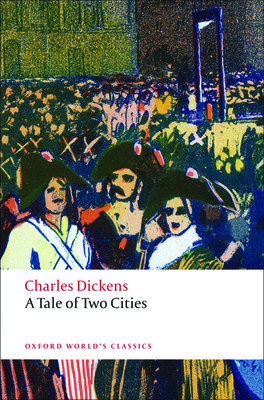
A Tale of Two Cities
KSh 1,200.00
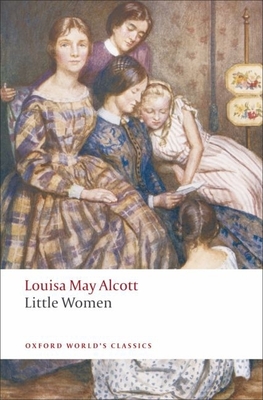
Little Women
KSh 1,550.00
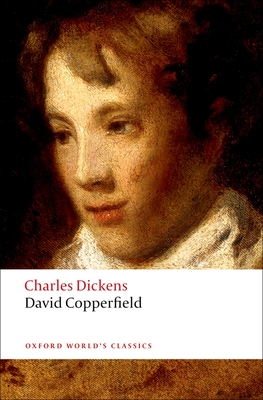
David Copperfield
KSh 2,100.00
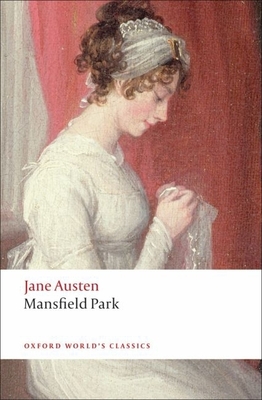
Mansfield Park
KSh 1,250.00
More by Laura Dassow Walls
Emerson''s Life in Science
KSh 10,100.00
The Passage to Cosmos
KSh 6,500.00
Views of Nature
KSh 5,150.00
Henry David Thoreau
KSh 7,350.00
The Oxford Handbook of Transcendentalism
KSh 33,300.00
The Scientists
KSh 4,850.00
Henry David Thoreau – A Life
KSh 4,350.00
Views of Nature
KSh 16,400.00
Westward I Go Free
KSh 4,200.00
The Passage to Cosmos
KSh 4,450.00
