

Segregating Sound : Inventing Folk and Pop Music in the Age of Jim Crow
Book Details
Delivery Location
Delivery fee: Select location
In a cultural history filled with musicians, listeners, scholars, and business people, Miller describes how folklore studies and the music industry helped to create a “musical color line,” a cultural parallel to the physical color line that came to define the Jim Crow South. Segregated sound emerged slowly through the interactions of southern and northern musicians, record companies that sought to penetrate new markets across the South and the globe, and academic folklorists who attempted to tap southern music for evidence about the history of human civilization. Contending that people’s musical worlds were defined less by who they were than by the music that they heard, Miller challenges assumptions about the relation of race, music, and the market.
Get Segregating Sound by Karl Hagstrom Miller at the best price and quality guaranteed only at Werezi Africa's largest book ecommerce store. The book was published by Duke University Press and it has 384 pages.
Customers Who Bought This Also Bought

What Art Does
KSh 2,700.00

Rest Is Noise
KSh 3,550.00

Lazarus: The Second Coming of David Bowie
KSh 4,500.00

Artivist Sonorities
KSh 17,550.00

Underground 2: Whirling Dervishes & Cosmic Punks
KSh 4,850.00

Japanese Punk Graphics
KSh 3,500.00
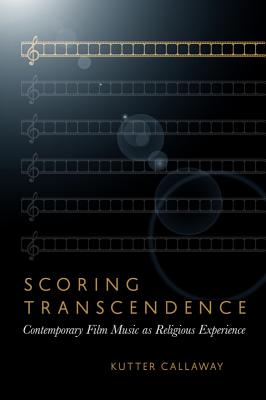
Scoring Transcendence
KSh 4,850.00

Songwriting
KSh 4,150.00

The Minneapolis Sound
KSh 16,200.00

Beatles, Sgt. Pepper, and the Summer of Love
KSh 9,850.00

Bewegte Raeume
KSh 5,450.00

Journey On Track
KSh 3,050.00
