

Self-Injury : Psychotherapy with People Who Engage in Self-Inflicted Violence
Book Details
Format
Paperback / softback
ISBN-10
0765706199
ISBN-13
9780765706195
Publisher
Jason Aronson Publishers
Imprint
Jason Aronson Publishers
Country of Manufacture
US
Country of Publication
GB
Publication Date
Dec 16th, 2008
Print length
440 Pages
Weight
522 grams
Dimensions
22.30 x 14.80 x 2.60 cms
Product Classification:
PsychologyClinical psychologyPsychotherapy
KSh 9,350.00
Re-Printing
0 in stock
Delivery Location
Delivery fee: Select location
Secure
Quality
Fast
People who directly injure their bodies are increasingly seeking help from psychotherapists. Coming out of the closet of shame, they are turning to professionals for understanding, compassion, and healing. Because of the potent nature of self-injury and the variety of issues it touches, clinical responses to it have often been only moderately beneficial and, in too many cases, distinctly harmful. In this perceptive work, Dr. Robin Connors offers helpful guidelines to clinicians that will improve their capacity to respond in a direct, effective, and respectful way to people who self-injure. Key to this work is understanding the function of self-inflicted violence and its relationship to unresolved traumas and losses, including the role of trauma in disrupting the formation of the self-boundary. Dr. Connors identifies fundamental therapeutic tasks, gives clear examples of interventions, and offers concrete recommendations for interacting with patients about their self-injury. A range of related issues are addressed as well, from repairing inadequate self-boundaries to using adjunct therapies. Finally, the task of determining right action in light of strong countertransferential responses is explored, including situations where self-injury occurs in the therapist's presence. In this exceptional book, Dr. Connors gives us the words to describe the pain beneath self-injuring behavior, and a blueprint for providing the compassionate understanding that is a prerequisite for healing.
People who directly injure their bodies are increasingly seeking help from psychotherapists. Coming out of the closet of shame, they are turning to professionals for understanding, compassion, and healing. Because of the potent nature of self-injury and the variety of issues it touches, clinical responses to it have often been only moderately beneficial and, in too many cases, distinctly harmful. In this perceptive work, Dr. Robin Connors offers helpful guidelines to clinicians that will improve their capacity to respond in a direct, effective, and respectful way to people who self-injure. Key to this work is understanding the function of self-inflicted violence and its relationship to unresolved traumas and losses, including the role of trauma in disrupting the formation of the self-boundary. Dr. Connors identifies fundamental therapeutic tasks, gives clear examples of interventions, and offers concrete recommendations for interacting with patients about their self-injury. A range of related issues are addressed as well, from repairing inadequate self-boundaries to using adjunct therapies. Finally, the task of determining right action in light of strong countertransferential responses is explored, including situations where self-injury occurs in the therapist''s presence. In this exceptional book, Dr. Connors gives us the words to describe the pain beneath self-injuring behavior, and a blueprint for providing the compassionate understanding that is a prerequisite for healing.
Get Self-Injury by Robin E. Connors at the best price and quality guaranteed only at Werezi Africa's largest book ecommerce store. The book was published by Jason Aronson Publishers and it has 440 pages.
Customers Who Bought This Also Bought

This Too Shall Pass
KSh 2,000.00

Maybe You Should Talk to Someone
KSh 2,000.00
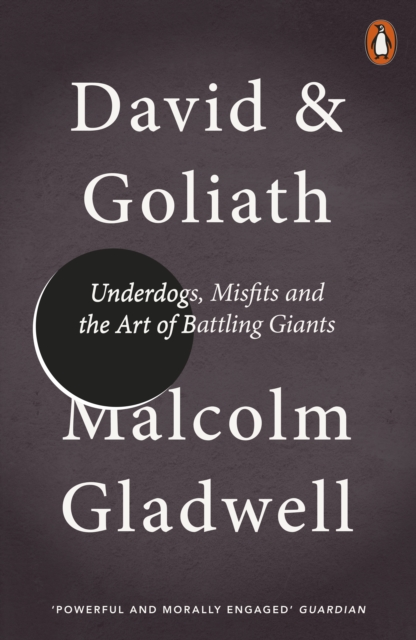
David and Goliath
KSh 2,350.00
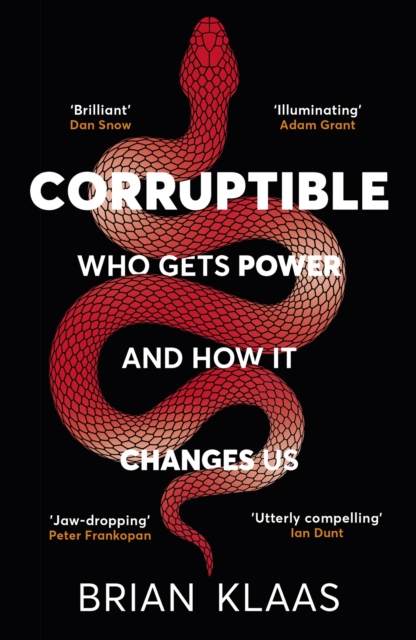
Corruptible
KSh 2,350.00

Damaged but Not Destroyed
KSh 4,850.00
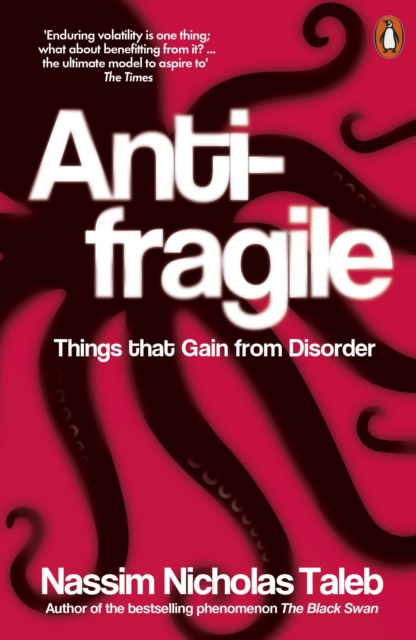
Antifragile
KSh 2,700.00
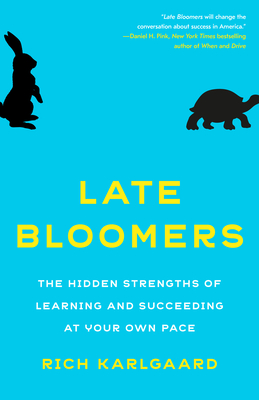
Late Bloomers
KSh 2,700.00
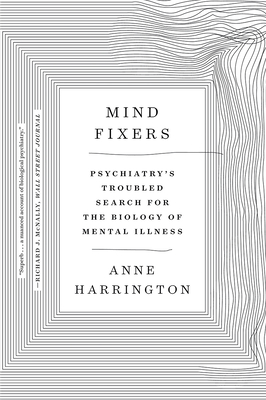
Mind Fixers – Psychiatry`s Troubled Search for the Biology of Mental Illness
KSh 2,900.00

The Life Of The Mind
KSh 3,950.00
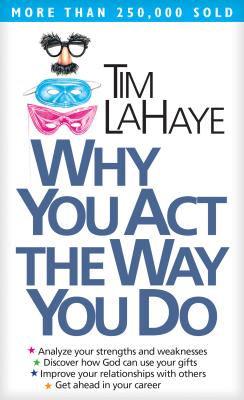
Why You Act the Way You Do
KSh 1,600.00

Lost Girls
KSh 2,000.00

Dark Psychology and Manipulation
KSh 3,550.00