
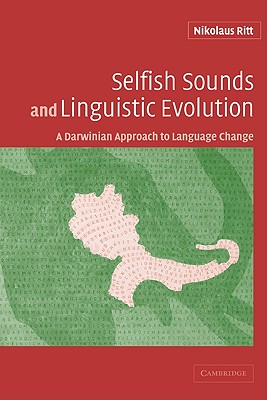
Selfish Sounds and Linguistic Evolution : A Darwinian Approach to Language Change
Book Details
Format
Paperback / softback
ISBN-10
0521120632
ISBN-13
9780521120630
Publisher
Cambridge University Press
Imprint
Cambridge University Press
Country of Manufacture
GB
Country of Publication
GB
Publication Date
Oct 1st, 2009
Print length
344 Pages
Weight
540 grams
Dimensions
22.70 x 15.40 x 2.10 cms
Product Classification:
LinguisticsPsychologyPhilosophy of science
KSh 6,450.00
Currently unavailable
0 in stock
Delivery Location
Delivery fee: Select location
Secure
Quality
Fast
This book takes an exciting new perspective on language change, by explaining it in terms of Darwin's evolutionary theory. Nikolaus Ritt shows how the constituents of language can be regarded as mental patterns, or 'memes', which copy themselves from one brain to another when communication and language acquisition take place.
This book takes an exciting perspective on language change, by explaining it in terms of Darwin's evolutionary theory. Looking at a number of developments in the history of sounds and words, Nikolaus Ritt shows how the constituents of language can be regarded as mental patterns, or 'memes', which copy themselves from one brain to another when communication and language acquisition take place. Memes are both stable in that they transmit faithfully from brain to brain, and active in that their success at replicating depends upon their own properties. Ritt uses this controversial approach to challenge established models of linguistic competence, in which speakers acquire, use, and shape language. In Darwinian terms, language evolution is something that happens to, rather than through, speakers, and the interests of linguistic constituents matter more than those of their human 'hosts'. This book will stimulate debate among evolutionary biologists, cognitive scientists and linguists alike.
Get Selfish Sounds and Linguistic Evolution by Nikolaus Ritt at the best price and quality guaranteed only at Werezi Africa's largest book ecommerce store. The book was published by Cambridge University Press and it has 344 pages.
Customers Who Bought This Also Bought

Creativity in the English Curriculum
KSh 5,650.00
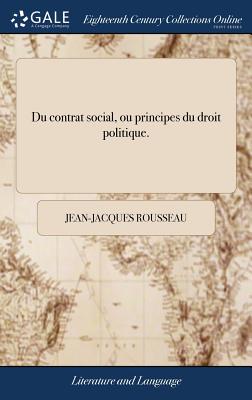
Du contrat social, ou principes du droit politique.
KSh 4,850.00

Réflexions sur L''étude des Langues Asiatiques, Adressées à Sir James Mackintosh, Suivies D''une Lettr
KSh 2,550.00
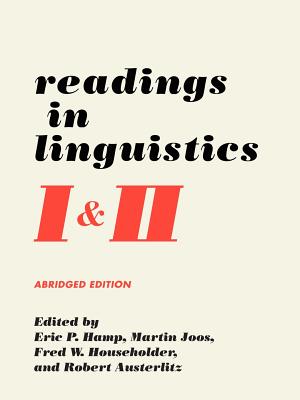
Readings in Linguistics I & II
KSh 7,700.00
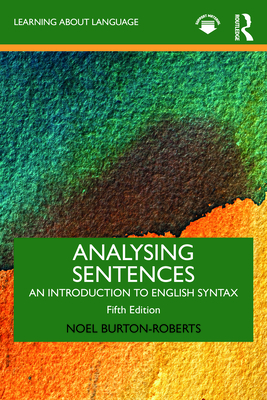
Analysing Sentences
KSh 7,400.00

For Whom Do I Toil?
KSh 21,350.00

Lazarillo De Tormes
KSh 1,800.00
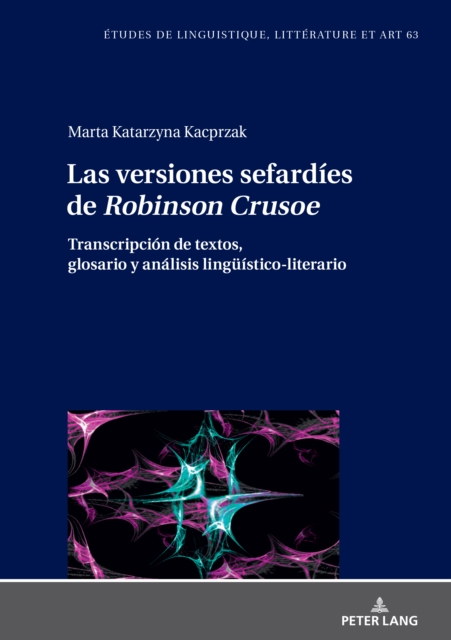
Las versiones sefardíes de Robinson Crusoe
KSh 6,850.00
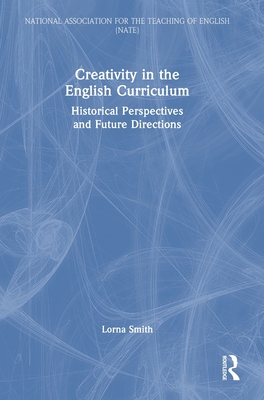
Creativity in the English Curriculum
KSh 30,950.00

English Language Teaching
KSh 30,950.00

Katzen und Kinder: Koprasente Phanomene in virtuellen Meetings
KSh 16,400.00
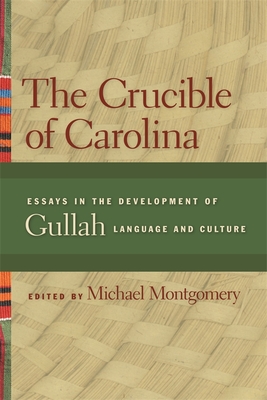
The Crucible of Carolina
KSh 17,000.00
More by Nikolaus Ritt
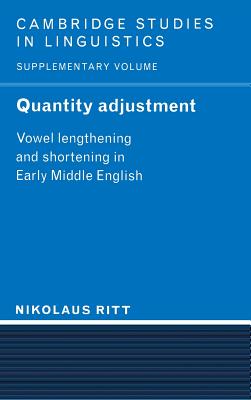
More in This Genre
Creativity in the English Curriculum
KSh 5,650.00
Du contrat social, ou principes du droit politique.
KSh 4,850.00
Réflexions sur L''étude des Langues Asiatiques, Adressées à Sir James Mackintosh, Suivies D''une Lettr
KSh 2,550.00
Readings in Linguistics I & II
KSh 7,700.00
Analysing Sentences
KSh 7,400.00
For Whom Do I Toil?
KSh 21,350.00
