
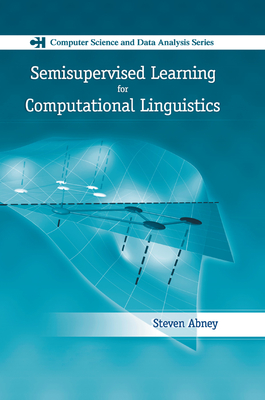
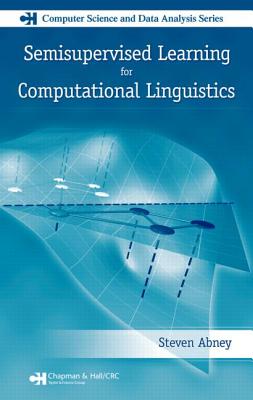
Semisupervised Learning for Computational Linguistics
by
Steven Abney
Book Details
Format
Paperback / softback
ISBN-10
0367388634
ISBN-13
9780367388638
Publisher
Taylor & Francis Ltd
Imprint
Chapman & Hall/CRC
Country of Manufacture
GB
Country of Publication
GB
Publication Date
Sep 25th, 2019
Print length
320 Pages
Weight
498 grams
Dimensions
23.30 x 15.60 x 2.00 cms
Product Classification:
Probability & statisticsProbability and statisticsAutomatic control engineering
KSh 12,800.00
Currently unavailable
0 in stock
Delivery Location
Delivery fee: Select location
Secure
Quality
Fast
The rapid advancement in the theoretical understanding of statistical and machine learning methods for semisupervised learning has made it difficult for nonspecialists to keep up to date in the field. Providing a broad, accessible treatment of the theory as well as linguistic applications, Semisupervised Learning for Computational Linguistics offers self-contained coverage of semisupervised methods that includes background material on supervised and unsupervised learning.
The book presents a brief history of semisupervised learning and its place in the spectrum of learning methods before moving on to discuss well-known natural language processing methods, such as self-training and co-training. It then centers on machine learning techniques, including the boundary-oriented methods of perceptrons, boosting, support vector machines (SVMs), and the null-category noise model. In addition, the book covers clustering, the expectation-maximization (EM) algorithm, related generative methods, and agreement methods. It concludes with the graph-based method of label propagation as well as a detailed discussion of spectral methods.
Taking an intuitive approach to the material, this lucid book facilitates the application of semisupervised learning methods to natural language processing and provides the framework and motivation for a more systematic study of machine learning.
The book presents a brief history of semisupervised learning and its place in the spectrum of learning methods before moving on to discuss well-known natural language processing methods, such as self-training and co-training. It then centers on machine learning techniques, including the boundary-oriented methods of perceptrons, boosting, support vector machines (SVMs), and the null-category noise model. In addition, the book covers clustering, the expectation-maximization (EM) algorithm, related generative methods, and agreement methods. It concludes with the graph-based method of label propagation as well as a detailed discussion of spectral methods.
Taking an intuitive approach to the material, this lucid book facilitates the application of semisupervised learning methods to natural language processing and provides the framework and motivation for a more systematic study of machine learning.
Get Semisupervised Learning for Computational Linguistics by Steven Abney at the best price and quality guaranteed only at Werezi Africa's largest book ecommerce store. The book was published by Taylor & Francis Ltd and it has 320 pages.
Customers Who Bought This Also Bought

How to Lie with Statistics
KSh 2,350.00
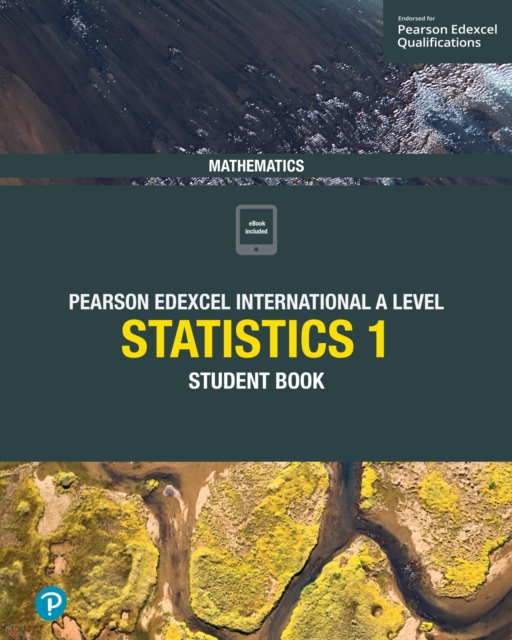
Pearson Edexcel International A Level Mathematics Statistics 1 Student Book
KSh 5,900.00
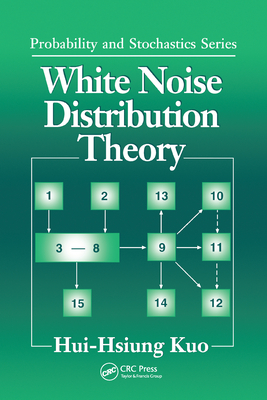
White Noise Distribution Theory
KSh 9,750.00
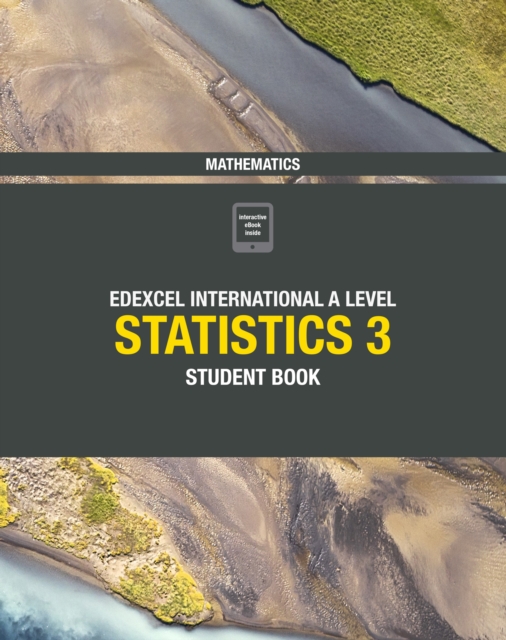
Pearson Edexcel International A Level Mathematics Statistics 3 Student Book
KSh 5,700.00

Pearson Edexcel International A Level Mathematics Statistics 2 Student Book
KSh 5,700.00
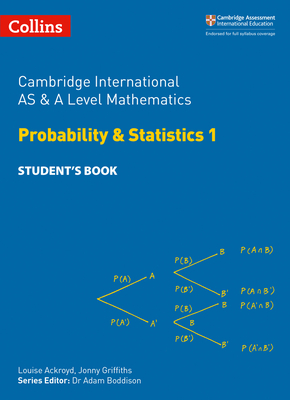
Caie Al Maths - Prob 1
KSh 4,500.00
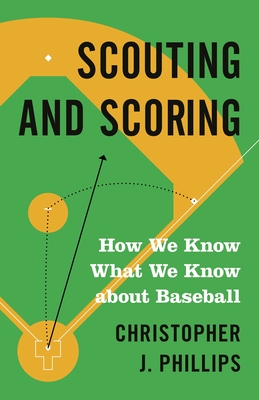
Scouting and Scoring – How We Know What We Know about Baseball
KSh 3,050.00
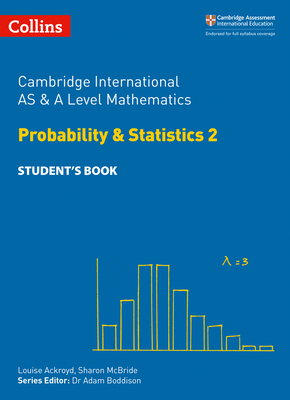
Caie Al Maths - Prob 2
KSh 4,450.00

Modeling Cancer Progression and the Effects of Treatment
KSh 21,950.00

Introduction to Data Science
KSh 9,900.00

Stochastic Differential Equations
KSh 13,150.00

The Evidential Foundations of Probalistic Reasoning
KSh 6,850.00
More by Steven Abney
More in This Genre
How to Lie with Statistics
KSh 2,350.00
Pearson Edexcel International A Level Mathematics Statistics 1 Student Book
KSh 5,900.00
White Noise Distribution Theory
KSh 9,750.00
Pearson Edexcel International A Level Mathematics Statistics 3 Student Book
KSh 5,700.00
Pearson Edexcel International A Level Mathematics Statistics 2 Student Book
KSh 5,700.00
Caie Al Maths - Prob 1
KSh 4,500.00
