
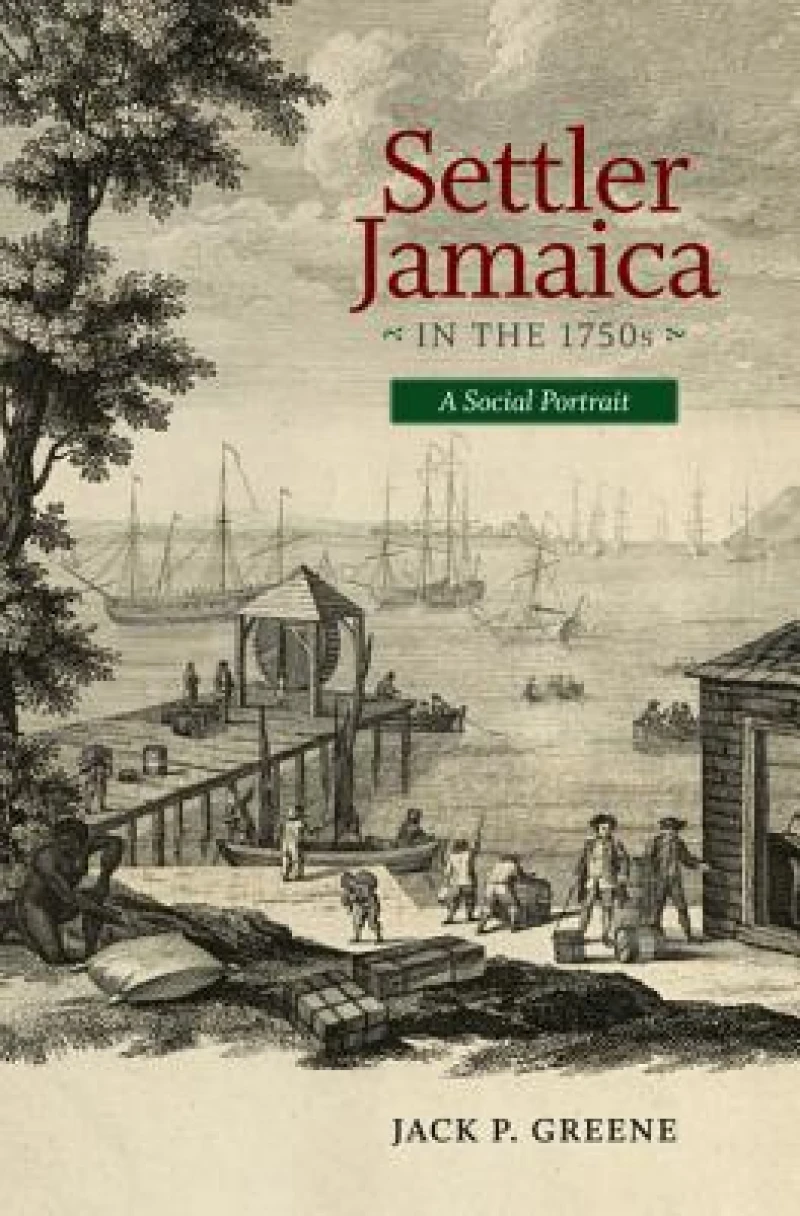
Settler Jamacia in the 1750s : A Social Portrait
Book Details
Format
Hardback or Cased Book
Book Series
Early American Histories
ISBN-10
0813938317
ISBN-13
9780813938318
Publisher
University of Virginia Press
Imprint
University of Virginia Press
Country of Manufacture
US
Country of Publication
GB
Publication Date
Aug 22nd, 2016
Print length
288 Pages
Weight
587 grams
Dimensions
23.60 x 16.20 x 2.50 cms
Ksh 6,650.00
Werezi Extended Catalogue
0 in stock
Delivery Location
Delivery fee: Select location
Secure
Quality
Fast
By the mid-eighteenth century, observers of the emerging overseas British Empire thought that Jamaica was the most valuable of the American colonies. Based on a unique set of historical lists and maps, along with a variety of other contemporary materials, Jack Greene’s study provides unparalleled detail about the character of Jamaica’s settler society during the decade of the 1750s.
By the mid-eighteenth century, observers of the emerging overseas British Empire thought that Jamaica—in addition to being the largest British colony in the West Indies—was the most valuable of the American colonies. Based on a unique set of historical lists and maps, along with a variety of other contemporary materials, Jack Greene’s study provides unparalleled detail about the character of Jamaica’s settler society during the decade of the 1750s, as the first century of British settlement drew to a close. Greene’s sources facilitate a close examination of many aspects of the island’s development at a particularly critical point in its history.
Analysis of the data generated from this material permits a fine-grained account of patterns of landholding, economic activity, land use, social organization, and wealth distribution among Jamaica’s free population during a period of sustained demographic, economic, social, and cultural expansion. Calling attention to local variations, the study puts special emphasis on the complexity and vitality of Jamaica’s settler population, the island’s economic and social diversity, the ubiquity and adaptability of slavery, the character and size of settler households, the range of urban professions, the value of urban housing, and the gender and racial dimensions of wealth holding. Greene’s detailed analyses amplify and enrich these subjects, offering the most refined portrait to date of Jamaican society at a crucial juncture in its formation and providing scholars a quantitative base for analyzing Jamaica’s political economy in the second half of the eighteenth century.
Analysis of the data generated from this material permits a fine-grained account of patterns of landholding, economic activity, land use, social organization, and wealth distribution among Jamaica’s free population during a period of sustained demographic, economic, social, and cultural expansion. Calling attention to local variations, the study puts special emphasis on the complexity and vitality of Jamaica’s settler population, the island’s economic and social diversity, the ubiquity and adaptability of slavery, the character and size of settler households, the range of urban professions, the value of urban housing, and the gender and racial dimensions of wealth holding. Greene’s detailed analyses amplify and enrich these subjects, offering the most refined portrait to date of Jamaican society at a crucial juncture in its formation and providing scholars a quantitative base for analyzing Jamaica’s political economy in the second half of the eighteenth century.
Get Settler Jamacia in the 1750s by at the best price and quality guaranteed only at Werezi Africa's largest book ecommerce store. The book was published by University of Virginia Press and it has pages.

