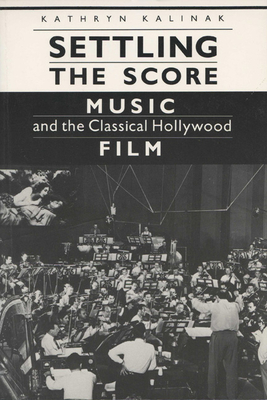
Settling the Score : Music and the Classical Hollywood Film
Book Details
Format
Paperback / softback
Book Series
Wisconsin Studies in Film
ISBN-10
0299133648
ISBN-13
9780299133641
Publisher
University of Wisconsin Press
Imprint
University of Wisconsin Press
Country of Manufacture
US
Country of Publication
GB
Publication Date
Dec 31st, 1992
Print length
256 Pages
Weight
372 grams
Dimensions
22.80 x 15.60 x 1.40 cms
KSh 3,700.00
Temporarily out of stock, due soon
0 in stock
Delivery Location
Delivery fee: Select location
Secure
Quality
Fast
Situates the classical Hollywood film score and its practice in historical, theoretical and musical context, examining the conventions and strategies underpinning film scoring in Hollywood, and investigating the influential and powerful relationship between music and film.
Settling the Score situates the classical Hollywwod film score and its practice in historical, theoretical and musical context. Kathryn Kalinak examines the conventions and strategies underpinning film scoring in Hollywood, investigating what has been considered the most influential and powerful relationship to have evolved between music and film, the classical Hollywood model. Beginning with the earliest experiments in musical accompaniment carried out in the Edison laboratories. Kalinak uses archival material to outline the history of music and film in America. Focusing on the scores of several key composers of the sound era, including Erich Wolfgang Korngold''s ""Captain Blood"", Max Steiner''s ""The Informer"", Bernard Herrmann''s ""The Magnificent Ambersons"", and David Raskin''s ""Laura"", Kalinak concludes that classical scoring conventions were designed to ensure the dominance of narrative exposition. Her analyses of contemporary work such as John Williams ""The Empire Strikes Back"" and Basil Poledouris ""Robocop"" demonstrate how the traditions of the classical era continue to influence scoring practices today. Underlying the author''s historical investigation is an inquiry into the nature of film music itself. Exposing the visual bias in western culture in general and in film studies in particular. Kalinak argues that music is a fundamental part of the filmic exerience. She constructs a model for the perception of film that takes into account the shared power of image and sound in shaping response. Using contemporary theoy, ""Settling the Score"" makes the case that music should be an integral part of film analysis.
Get Settling the Score by Kathryn Kalinak at the best price and quality guaranteed only at Werezi Africa's largest book ecommerce store. The book was published by University of Wisconsin Press and it has 256 pages.
Customers Who Bought This Also Bought
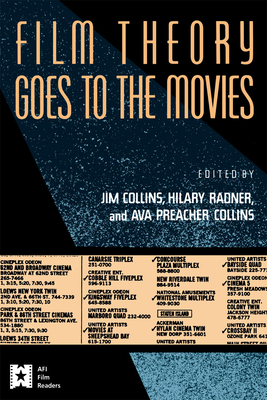
Film Theory Goes to the Movies
KSh 8,350.00

Fassbinder Thousands of Mirrors
KSh 2,350.00

Mark Kermode''s Surround Sound
KSh 3,400.00
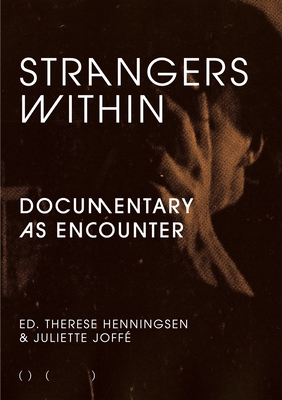
Strangers Within
KSh 2,700.00

Marvel Studios'' The Infinity Saga - Black Panther: The Art of the Movie
KSh 6,650.00
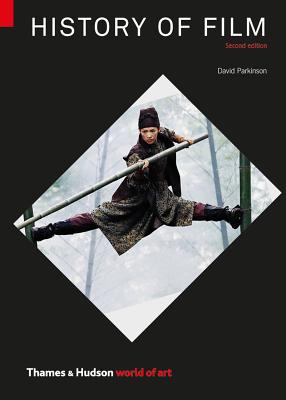
History of Film
KSh 2,550.00

Greta Gerwig’s Barbie
KSh 4,700.00
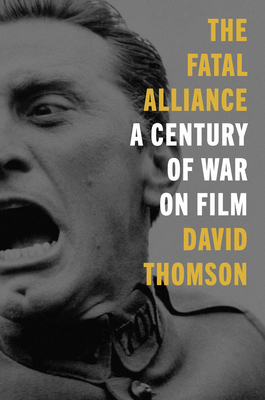
The Fatal Alliance
KSh 4,500.00
Seventh Seal
KSh 2,350.00
Disaster Mon Amour
KSh 3,400.00

Spider-Man
KSh 9,550.00
Revolutionary Melodrama
KSh 9,250.00