
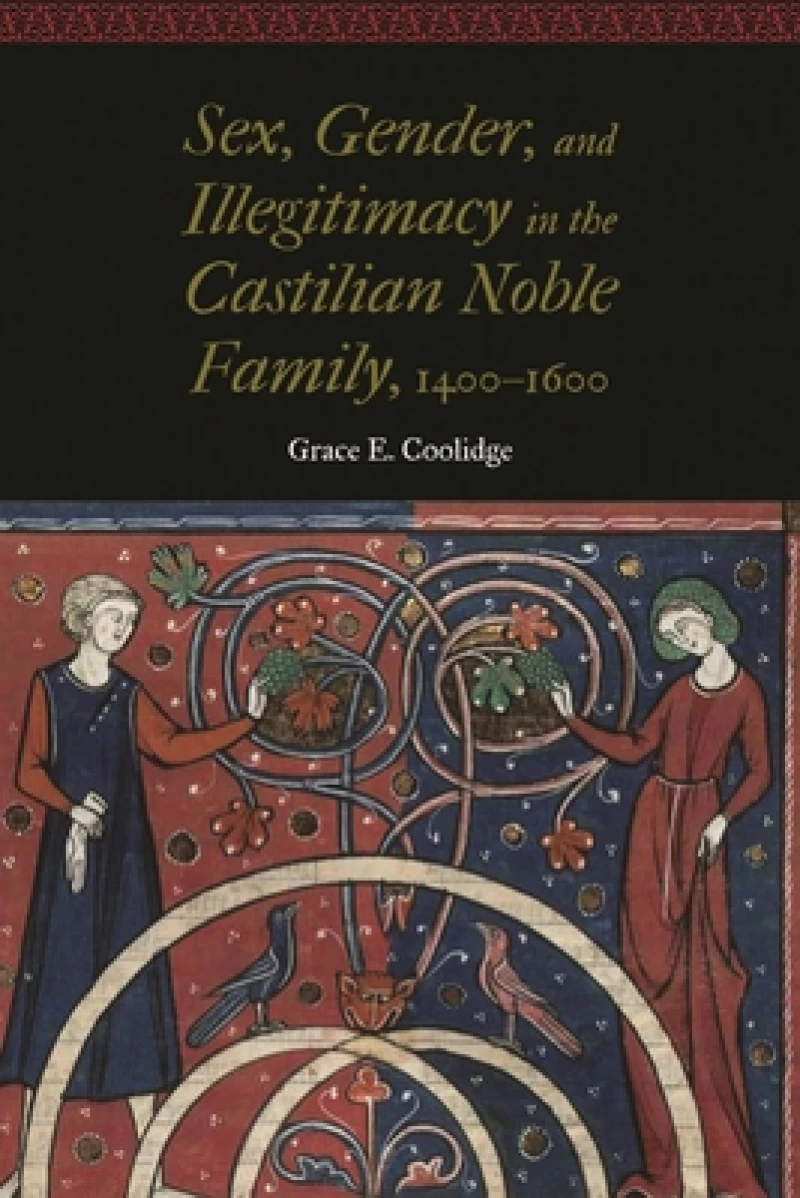
Sex, Gender, and Illegitimacy in the Castilian Noble Family, 1400–1600
Book Details
Format
Hardback or Cased Book
Book Series
Women and Gender in the Early Modern World
ISBN-10
1496218809
ISBN-13
9781496218803
Publisher
University of Nebraska Press
Imprint
University of Nebraska Press
Country of Manufacture
GB
Country of Publication
GB
Publication Date
Dec 1st, 2022
Print length
328 Pages
Weight
638 grams
Dimensions
15.90 x 23.70 x 2.80 cms
Ksh 9,350.00
Werezi Extended Catalogue
0 in stock
Delivery Location
Delivery fee: Select location
Secure
Quality
Fast
Honorable Mention for the 2022 Book Award from the Society for the Study of Early Modern Women and Gender
Sex, Gender, and Illegitimacy in the Castilian Noble Family, 1400–1600 looks at illegitimacy across the fifteenth and sixteenth centuries and analyzes its implications for gender and family structure in the Spanish nobility, a class whose actions, structure, and power had immense implications for the future of the country and empire. Grace E. Coolidge demonstrates that women and men were able to challenge traditional honor codes, repair damaged reputations, and manipulate ideals of marriage and sexuality to encompass extramarital sexuality and the nearly constant presence of illegitimate children.
This flexibility and creativity in their sexual lives enabled members of the nobility to repair, strengthen, and maintain their otherwise fragile concept of dynasty and lineage, using illegitimate children and their mothers to successfully project the noble dynasty into the future-even in an age of rampant infant mortality that contributed to the frequent absence of male heirs. While benefiting the nobility as a whole, the presence of illegitimate children could also be disruptive to the inheritance process, and the entire system privileged noblemen and their aims and goals over the lives of women and children.
This book enriches our understanding of the complex households and families of the Spanish nobility, challenging traditional images of a strict patriarchal system by uncovering the hidden lives that made that system function.
Sex, Gender, and Illegitimacy in the Castilian Noble Family, 1400–1600 looks at illegitimacy across the fifteenth and sixteenth centuries and analyzes its implications for gender and family structure in the Spanish nobility, a class whose actions, structure, and power had immense implications for the future of the country and empire. Grace E. Coolidge demonstrates that women and men were able to challenge traditional honor codes, repair damaged reputations, and manipulate ideals of marriage and sexuality to encompass extramarital sexuality and the nearly constant presence of illegitimate children.
This flexibility and creativity in their sexual lives enabled members of the nobility to repair, strengthen, and maintain their otherwise fragile concept of dynasty and lineage, using illegitimate children and their mothers to successfully project the noble dynasty into the future-even in an age of rampant infant mortality that contributed to the frequent absence of male heirs. While benefiting the nobility as a whole, the presence of illegitimate children could also be disruptive to the inheritance process, and the entire system privileged noblemen and their aims and goals over the lives of women and children.
This book enriches our understanding of the complex households and families of the Spanish nobility, challenging traditional images of a strict patriarchal system by uncovering the hidden lives that made that system function.
Get Sex, Gender, and Illegitimacy in the Castilian Noble Family, 1400–1600 by at the best price and quality guaranteed only at Werezi Africa's largest book ecommerce store. The book was published by University of Nebraska Press and it has pages.

