
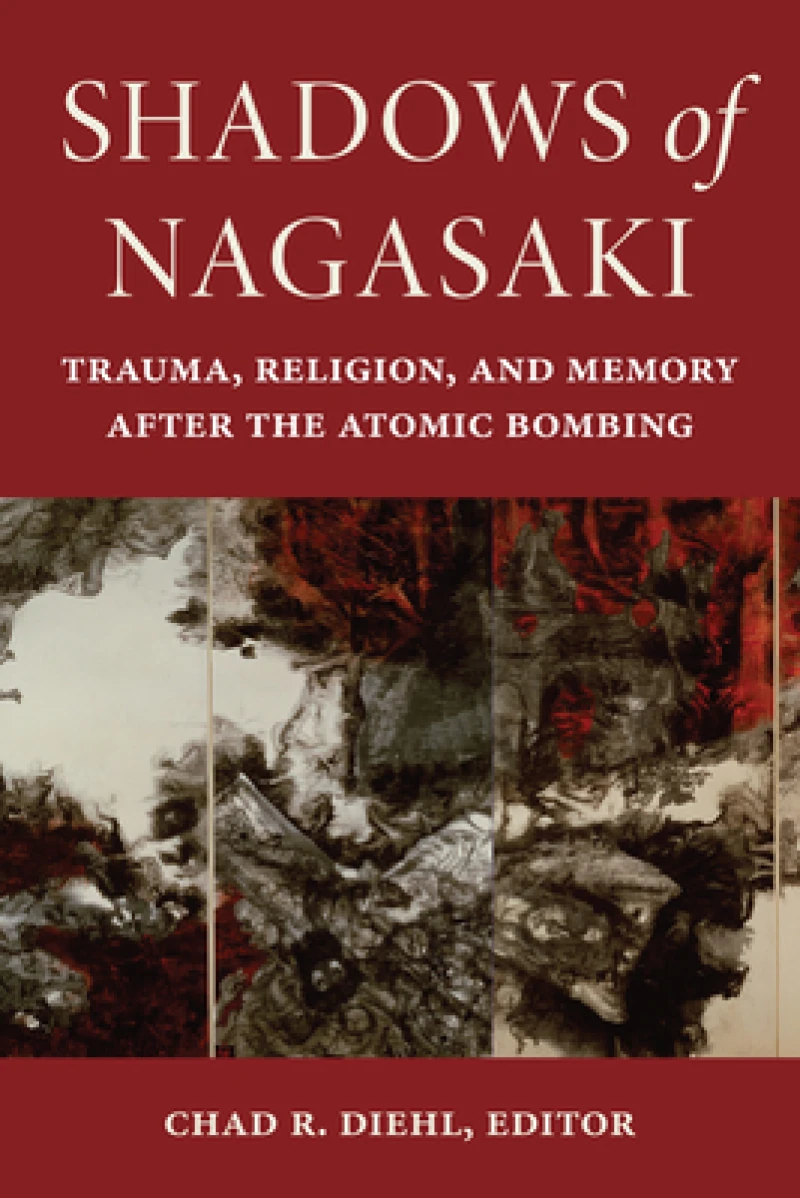
Shadows of Nagasaki : Trauma, Religion, and Memory After the Atomic Bombing
New
Book Details
Format
Paperback / Softback
ISBN-10
1531504965
ISBN-13
9781531504960
Edition
New
Publisher
Fordham University Press
Imprint
Fordham University Press
Country of Manufacture
GB
Country of Publication
GB
Publication Date
Jan 2nd, 2024
Print length
277 Pages
Weight
536 grams
Dimensions
15.20 x 22.90 x 2.90 cms
Product Classification:
Literary studies: from c 1900 -Asian historyRoman Catholicism, Roman Catholic Church
Ksh 5,400.00
Werezi Extended Catalogue
Delivery in 14 days
1 copies in stock
Delivery Location
Delivery fee: Select location
Delivery in 14 days
Secure
Quality
Fast
A critical introduction to how the Nagasaki atomic bombing has been remembered, especially in contrast to that of Hiroshima. In the decades following the atomic bombing of Nagasaki on August 9, 1945, the city's residents processed their trauma and formed narratives of the destruction and reconstruction in ways that reflected their regional history and social makeup. In doing so, they created a multi-layered urban identity as an atomic-bombed city that differed markedly from Hiroshima's image. Shadows of Nagasaki traces how Nagasaki's trauma, history, and memory of the bombing manifested through some of the city's many post-atomic memoryscapes, such as literature, religious discourse, art, historical landmarks, commemorative spaces, and architecture. In addition, the book pays particular attention to how the city's history of international culture, exemplified best perhaps by the region's Christian (especially Catholic) past, informed its response to the atomic trauma and shaped its postwar urban identity. Key historical actors in the volume's chapters include writers, Japanese- Catholic leaders, atomic-bombing survivors (known as hibakusha), municipal officials, American occupation personnel, peace activists, artists, and architects. The story of how these diverse groups of people processed and participated in the discourse surrounding the legacies of Nagasaki's bombing shows how regional history, culture, and politics—rather than national ones—become the most influential factors shaping narratives of destruction and reconstruction after mass trauma. In turn, and especially in the case of urban destruction, new identities emerge and old ones are rekindled, not to serve national politics or social interests but to bolster narratives that reflect local circumstances.
Get Shadows of Nagasaki by at the best price and quality guaranteed only at Werezi Africa's largest book ecommerce store. The book was published by Fordham University Press and it has pages.

