

Shakespeare, Co-Author : A Historical Study of Five Collaborative Plays
Book Details
Format
Hardback
ISBN-10
0199256535
ISBN-13
9780199256532
Publisher
Oxford University Press
Imprint
Oxford University Press
Country of Manufacture
GB
Country of Publication
GB
Publication Date
Oct 24th, 2002
Print length
576 Pages
Weight
1,048 grams
Dimensions
16.40 x 24.10 x 4.00 cms
Product Classification:
Literary studies: c 1500 to c 1800Shakespeare studies & criticism
KSh 19,600.00
Currently unavailable
0 in stock
Delivery Location
Delivery fee: Select location
Secure
Quality
Fast
For over two centuries, scholars have discussed the evidence that Shakespeare worked with co-authors on several plays, and have used a variety of methods to differentiate their shares from his. This study takes up and extends these discussions, presenting an evidence.
No issue in Shakespeare studies is more important than determining what he wrote. For over two centuries scholars have discussed the evidence that Shakespeare worked with co-authors on several plays, and have used a variety of methods to differentiate their shares from his. In this wide-ranging study, Brian Vickers takes up and extends these discussions, presenting compelling evidence that Shakespeare wrote Titus Andronicus together with George Peele, Timon of Athens with Thomas Middleton, Pericles with George Wilkins, and Henry VIII and The Two Noble Kinsmen with John Fletcher.In Part One Vickers reviews the standard processes of co-authorship as they can be reconstructed from documents connected with the Elizabethan stage, and shows that every major, and most minor dramatists in the Elizabethan, Jacobean, and Caroline theatres collaborated in getting plays written and staged. This is combined with a survey of the types of methodology used since the early nineteenth century to identify co-authorship, and a critical evaluation of some ''stylometric'' techniques.Part Two is devoted to detailed analyses of the five collaborative plays, discussing every significant case made for and against Shakespeare''s co-authorship. Synthesising two centuries of discussion, Vickers reveals a solidly based scholarly tradition, building on and extending previous work, identifying the co-authors'' contributions in increasing detail. The range and quantity of close verbal analysis brought together in Shakespeare, Co-Author present a compelling case to counter those ''conservators'' of Shakespeare who maintain that he is the sole author of his plays.
Get Shakespeare, Co-Author by Brian Vickers at the best price and quality guaranteed only at Werezi Africa's largest book ecommerce store. The book was published by Oxford University Press and it has 576 pages.
Customers Who Bought This Also Bought
Arabian Nights'' Entertainments
KSh 2,950.00
Robinson Crusoe
KSh 1,450.00
Metaphysical Poetry
KSh 2,350.00
A Portrait of the Artist as a Young Man
KSh 1,250.00

Shakespeare Book
KSh 4,250.00
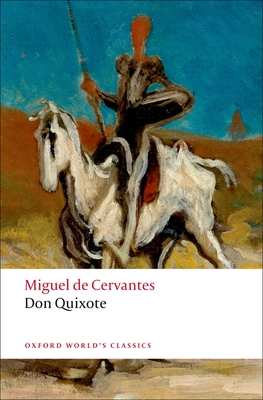
Don Quixote de la Mancha
KSh 2,150.00
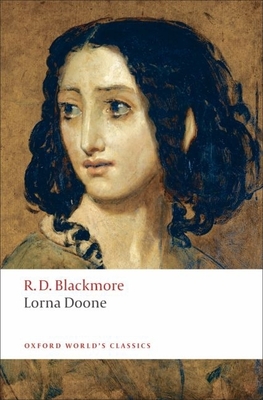
Lorna Doone
KSh 2,000.00
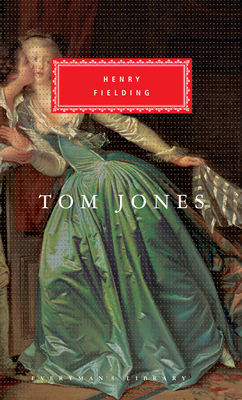
Tom Jones
KSh 5,400.00
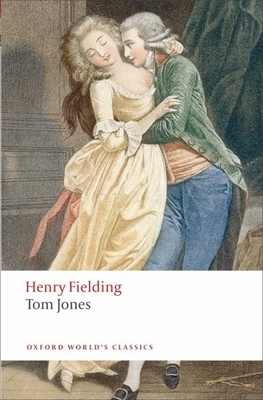
Tom Jones
KSh 2,250.00
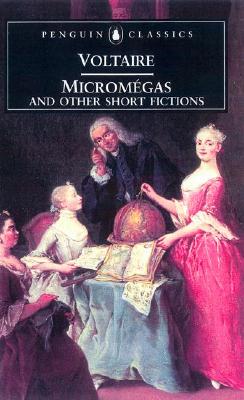
Micromégas and Other Short Fictions
KSh 2,350.00
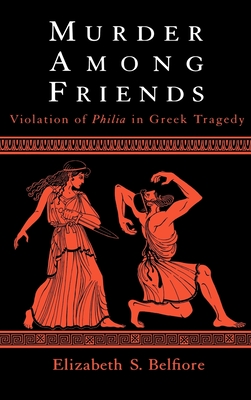
Murder Among Friends
KSh 22,750.00

Hamlet: Poem Unlimited
KSh 1,800.00
More by Brian Vickers
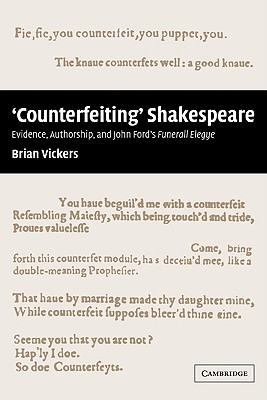
''Counterfeiting'' Shakespeare
KSh 8,250.00
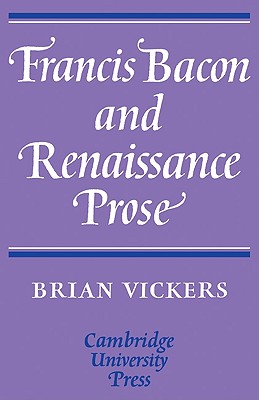
Francis Bacon and Renaissance Prose
KSh 7,600.00
Shakespeare, ''A Lover''s Complaint'', and John Davies of Hereford
KSh 17,100.00
English Renaissance Literary Criticism
KSh 20,850.00
In Defence of Rhetoric
KSh 17,000.00

Thomas Kyd – A Dramatist Restored
KSh 6,300.00
Shakespeare, ''a Lover''s Complaint'', and John Davies of Hereford
KSh 6,400.00
''Counterfeiting'' Shakespeare
KSh 24,300.00

Occult Scientific Mentalities
KSh 7,650.00

The Artistry of Shakespeare''s Prose
KSh 54,900.00

Mark
KSh 2,500.00
Returning to Shakespeare
KSh 24,250.00
