
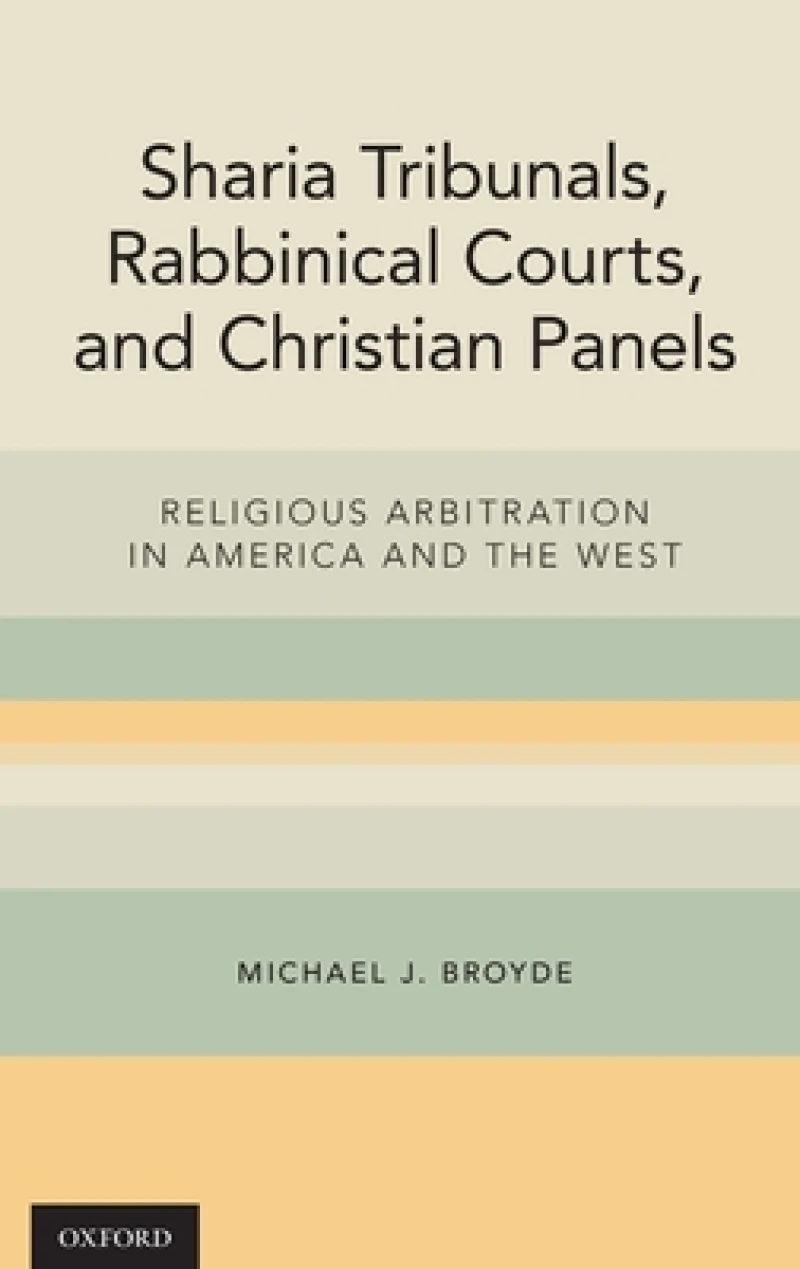
Sharia Tribunals, Rabbinical Courts, and Christian Panels : Religious Arbitration in America and the West
Book Details
Format
Hardback or Cased Book
ISBN-10
0190640286
ISBN-13
9780190640286
Publisher
Oxford University Press Inc
Imprint
Oxford University Press Inc
Country of Manufacture
US
Country of Publication
GB
Publication Date
Aug 3rd, 2017
Print length
310 Pages
Weight
454 grams
Dimensions
23.10 x 15.50 x 2.80 cms
Product Classification:
Religion: generalChristianityIslamJudaismLaw & society
Ksh 18,450.00
Werezi Extended Catalogue
0 in stock
Delivery Location
Delivery fee: Select location
Secure
Quality
Fast
This book explores the rise of private arbitration in American religious communities. It examines why religious communities are turning to private arbitration, why American law is agreeable to such arbitration, and further focuses on the proper procedural, jurisdictional, and contractual limits of private arbitration. The book argues that such arbitration not only benefits the religious community itself, but also having various different faith-based arbitrations is beneficial for any vibrant pluralistic democracy inhabited by diverse faith groups.
This book explores the rise of private arbitration in religious and other values-oriented communities, and it argues that secular societies should use secular legal frameworks to facilitate, enforce, and also regulate religious arbitration. It covers the history of religious arbitration; the kinds of faith-based dispute resolution models currently in use; how the law should perceive them; and what the role of religious arbitration in the United States and the western world should be. Part One examines why religious individuals and communities are increasingly turning to private faith-based dispute resolution to arbitrate their litigious disputes. It focuses on why religious communities feel disenfranchised from secular law, and particularly secular family law. Part Two looks at why American law is so comfortable with faith-based arbitration, given its penchant for enabling parties to order their relationships and resolve their disputes using norms and values that are often different from and sometimes opposed to secular standards. Part Three weighs the proper procedural, jurisdictional, and contractual limits of arbitration generally, and of religious arbitration particularly. It identifies and explains the reasonable limitations on religious arbitration. Part Four examines whether secular societies should facilitate effective, legally enforceable religious dispute resolution, and it argues that religious arbitration is not only good for the religious community itself, but that having many different avenues for faith-based arbitration which are properly limited is good for any vibrant pluralistic democracy inhabited by diverse faith groups.
Get Sharia Tribunals, Rabbinical Courts, and Christian Panels by at the best price and quality guaranteed only at Werezi Africa's largest book ecommerce store. The book was published by Oxford University Press Inc and it has pages.

