
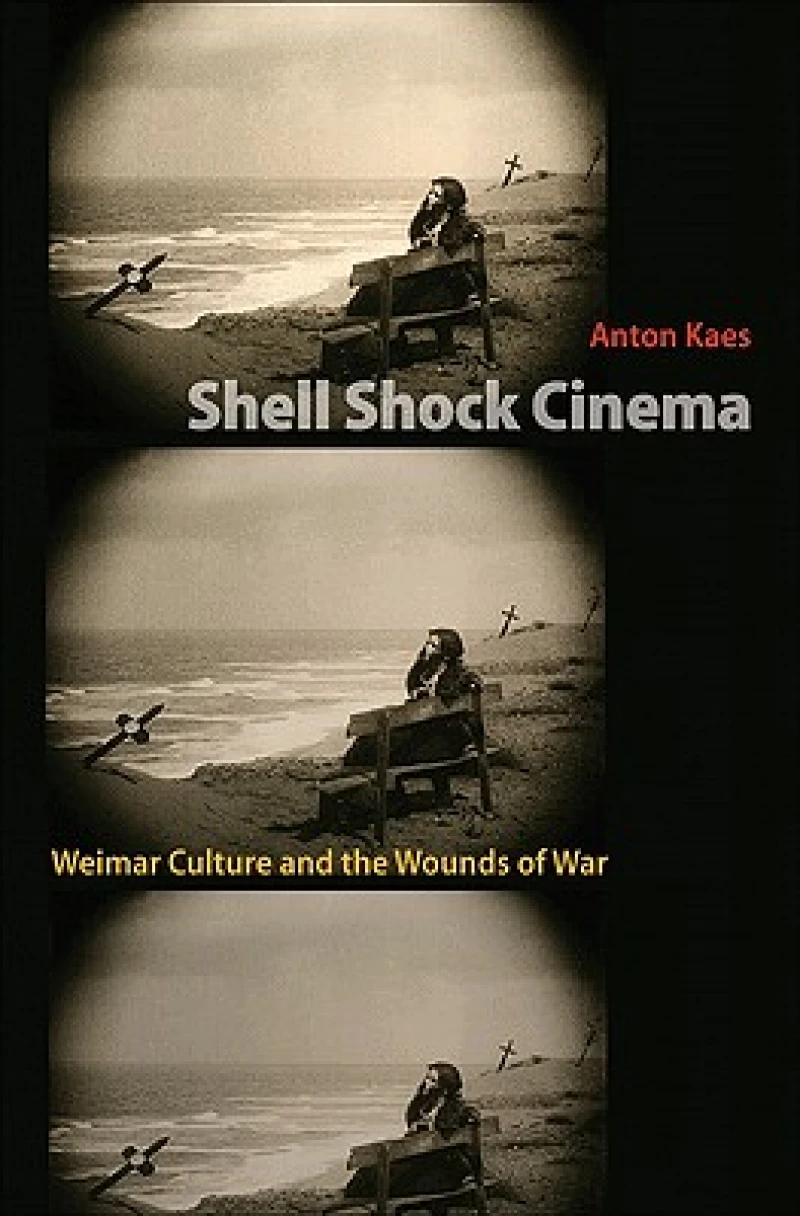
Shell Shock Cinema – Weimar Culture and the Wounds of War : Weimar Culture and the Wounds of War
by
Anton Kaes
Book Details
Format
Paperback / Softback
ISBN-10
0691008507
ISBN-13
9780691008509
Publisher
Princeton University Press
Imprint
Princeton University Press
Country of Manufacture
US
Country of Publication
GB
Publication Date
Oct 2nd, 2011
Print length
328 Pages
Weight
552 grams
Dimensions
16.10 x 23.50 x 1.30 cms
Product Classification:
GermanyFilms, cinemaDance & other performing artsFilms, cinemaDance
Ksh 5,400.00
Werezi Extended Catalogue
0 in stock
Delivery Location
Delivery fee: Select location
Secure
Quality
Fast
Explores how the classical German cinema of the Weimar Republic was haunted by the horrors of World War I and the devastating effects of the nation's defeat. This title exposes how German film gave expression to the loss and acute grief that lay behind Weimar's sleek facade.
Shell Shock Cinema explores how the classical German cinema of the Weimar Republic was haunted by the horrors of World War I and the the devastating effects of the nation's defeat. In this exciting new book, Anton Kaes argues that masterworks such as The Cabinet of Dr. Caligari, Nosferatu, The Nibelungen, and Metropolis, even though they do not depict battle scenes or soldiers in combat, engaged the war and registered its tragic aftermath. These films reveal a wounded nation in post-traumatic shock, reeling from a devastating defeat that it never officially acknowledged, let alone accepted. Kaes uses the term "shell shock"--coined during World War I to describe soldiers suffering from nervous breakdowns--as a metaphor for the psychological wounds that found expression in Weimar cinema. Directors like Robert Wiene, F. W. Murnau, and Fritz Lang portrayed paranoia, panic, and fear of invasion in films peopled with serial killers, mad scientists, and troubled young men. Combining original close textual analysis with extensive archival research, Kaes shows how this post-traumatic cinema of shell shock transformed extreme psychological states into visual expression; how it pushed the limits of cinematic representation with its fragmented story lines, distorted perspectives, and stark lighting; and how it helped create a modernist film language that anticipated film noir and remains incredibly influential today. A compelling contribution to the cultural history of trauma, Shell Shock Cinema exposes how German film gave expression to the loss and acute grief that lay behind Weimar's sleek facade.
Get Shell Shock Cinema – Weimar Culture and the Wounds of War by at the best price and quality guaranteed only at Werezi Africa's largest book ecommerce store. The book was published by Princeton University Press and it has pages.

