

Shock Factory : The Visual Culture of Industrial Music
Book Details
Format
Hardback
Book Series
Global Punk
ISBN-10
1835950752
ISBN-13
9781835950753
Publisher
Intellect
Imprint
Intellect Books
Country of Manufacture
GB
Country of Publication
GB
Publication Date
Jun 13th, 2025
Print length
588 Pages
Weight
1,413 grams
KSh 21,600.00
Currently unavailable
0 in stock
Delivery Location
Delivery fee: Select location
Secure
Quality
Fast
An exploration of the multidisciplinary creative culture encapsulated by the term industrial art, which spans musical, visual, multimedia, and performance arts.
Industrial music appeared in the mid-1970s, and far from being a simple sound experimentation phenomenon, it quickly spawned a coherent visual culture operating at the intersection of a multitude of media (collage, mail art, installation, film, performance, sound, and video), and initiated a close inspection of the legacy of modernity and the growing pervasive influence of technology.
Deriving their sources from the modernist utopias of the first part of the twentieth century, the sound experiments conducted by industrial bands, including designing synthesizers and transforming recorded sounds from audio tapes either recycled or laid down by the artists, were backed up by a rich array of radical visual productions. Such saturated sounds were translated into abrasive images, manipulated through the détournement of reprographic techniques (Xerox art), that investigated polemical themes: mind control, criminality, occultism, pornography, psychiatry, and totalitarianism, among others.
This book aims to introduce the visual and aesthetic elements of industrial culture to a general history of contemporary art by analyzing the different approaches taken and topics addressed by the movement and the artists who perceptively anticipated the current discourse concerning the media and its collective coercive power.
Industrial music appeared in the mid-1970s, and far from being a simple sound experimentation phenomenon, it quickly spawned a coherent visual culture operating at the intersection of a multitude of media (collage, mail art, installation, film, performance, sound, and video), and initiated a close inspection of the legacy of modernity and the growing pervasive influence of technology.
Deriving their sources from the modernist utopias of the first part of the twentieth century, the sound experiments conducted by industrial bands, including designing synthesizers and transforming recorded sounds from audio tapes either recycled or laid down by the artists, were backed up by a rich array of radical visual productions. Such saturated sounds were translated into abrasive images, manipulated through the détournement of reprographic techniques (Xerox art), that investigated polemical themes: mind control, criminality, occultism, pornography, psychiatry, and totalitarianism, among others.
This book aims to introduce the visual and aesthetic elements of industrial culture to a general history of contemporary art by analyzing the different approaches taken and topics addressed by the movement and the artists who perceptively anticipated the current discourse concerning the media and its collective coercive power.
Get Shock Factory by Nicolas Ballet at the best price and quality guaranteed only at Werezi Africa's largest book ecommerce store. The book was published by Intellect and it has 588 pages.
Customers Who Bought This Also Bought
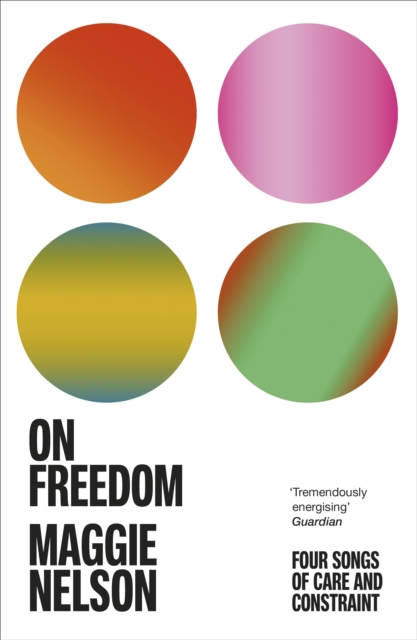
On Freedom
KSh 2,350.00

How To Live An Artful Life
KSh 3,050.00

Photography
KSh 7,350.00

Fail Better
KSh 6,200.00

First Person Singular
KSh 1,800.00

Rosarita
KSh 1,800.00
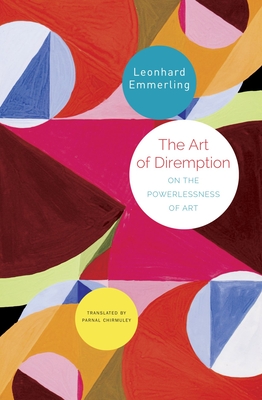
The Art of Diremption – On the Powerlessness of Art
KSh 3,300.00
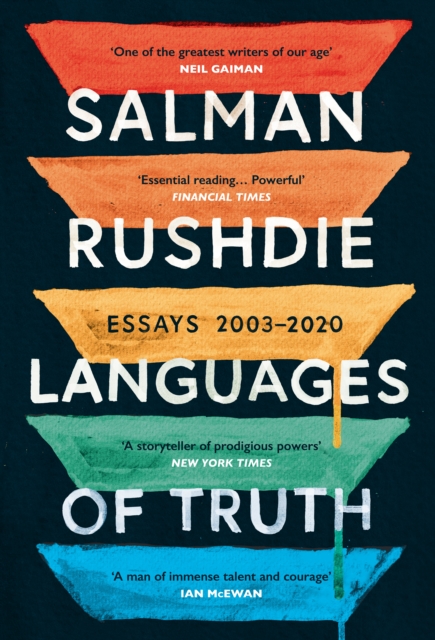
Languages of Truth
KSh 2,350.00

Fish Out of Water
KSh 2,700.00
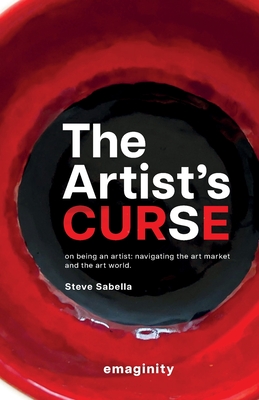
The Artist's Curse
KSh 2,900.00

Music and Motion – Interweaving Artistic Practice and Theory in Dance and Beyond
KSh 13,150.00
The Artist as Economist – Art and Capitalism in the 1960s
KSh 10,450.00

