
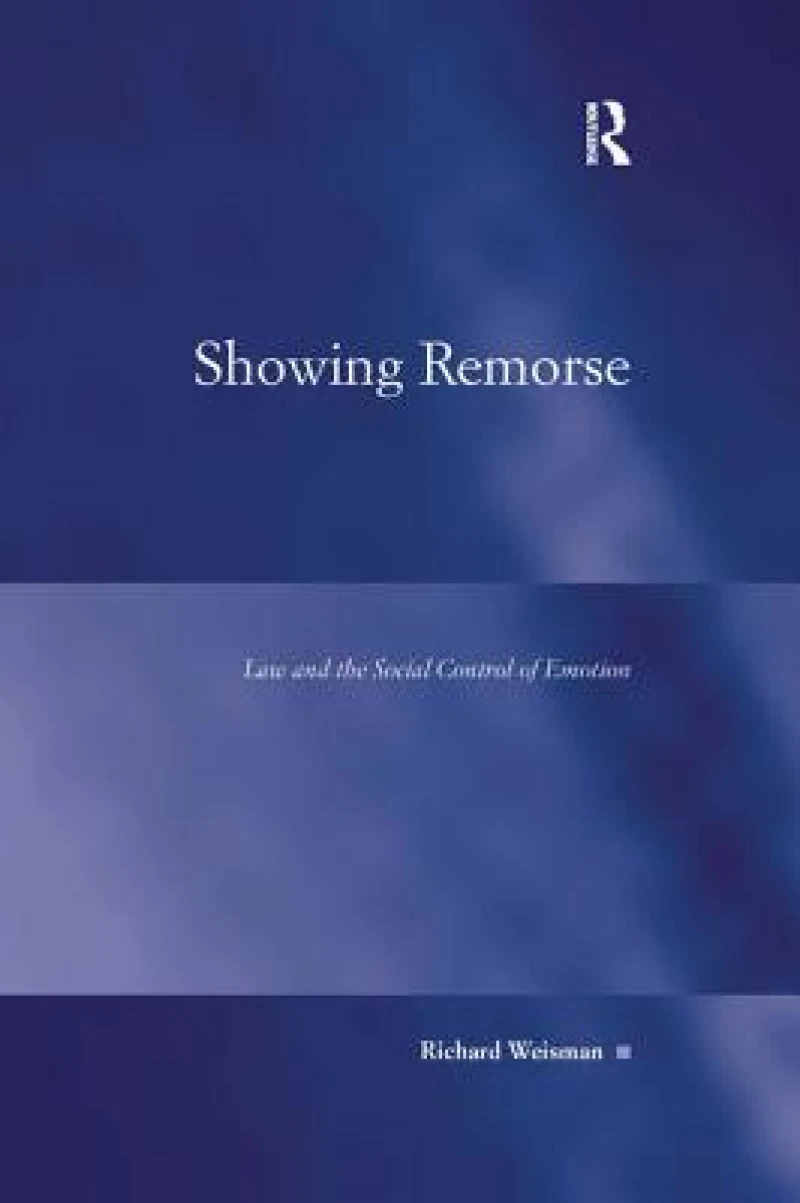
Showing Remorse : Law and the Social Control of Emotion
Book Details
Format
Paperback / Softback
ISBN-10
1138260037
ISBN-13
9781138260030
Publisher
Taylor & Francis Ltd
Imprint
Routledge
Country of Manufacture
GB
Country of Publication
GB
Publication Date
Nov 11th, 2016
Print length
158 Pages
Weight
256 grams
Dimensions
15.80 x 24.30 x 1.80 cms
Product Classification:
SociologyCrime & criminologyCriminal law & procedure
Ksh 9,900.00
Werezi Extended Catalogue
0 in stock
Delivery Location
Delivery fee: Select location
Secure
Quality
Fast
The primary focus of this work is, unlike previous studies, not on whether the wrongdoer meets our expectations over how and when remorse should be shown, but on how the community reacts when these expectations are met or not met. Using examples drawn from Canada, the United States, and South Africa, the author demonstrates that the showing of remorse is a site of negotiation and contention between differing groups. This study also shows that the process of deciding when and how remorse should be expressed contributes to the moral ordering of society as a whole.
Whether or not wrongdoers show remorse and how they show remorse are matters that attract great interest both in law and in popular culture. In capital trials in the United States, it can be a question of life or death whether a jury believes that a wrongdoer showed remorse. And in wrongdoings that capture the popular imagination, public attention focuses not only on the act but on whether the perpetrator feels remorse for what they did. But who decides when remorse should be shown or not shown and whether it is genuine or not genuine? In contrast to previous academic studies on the subject, the primary focus of this work is not on whether the wrongdoer meets these expectations over how and when remorse should be shown but on how the community reacts when these expectations are met or not met. Using examples drawn from Canada, the United States, and South Africa, the author demonstrates that the showing of remorse is a site of negotiation and contention between groups who differ about when it is to be expressed and how it is to be expressed. The book illustrates these points by looking at cases about which there was conflict over whether the wrongdoer should show remorse or whether the feelings that were shown were sincere. Building on the earlier analysis, the author shows that the process of deciding when and how remorse should be expressed contributes to the moral ordering of society as a whole. This book will be of interest to those in the fields of sociology, law, law and society, and criminology.
Get Showing Remorse by at the best price and quality guaranteed only at Werezi Africa's largest book ecommerce store. The book was published by Taylor & Francis Ltd and it has pages.

