

Book Details
Format
Hardback
Book Series
Philosophical Studies Series
ISBN-10
1402016506
ISBN-13
9781402016509
Edition
2003 ed.
Publisher
Kluwer Academic Publishers
Imprint
Kluwer Academic Publishers
Country of Manufacture
GB
Country of Publication
GB
Publication Date
Oct 31st, 2003
Print length
260 Pages
Weight
528 grams
Dimensions
24.10 x 16.00 x 2.20 cms
KSh 16,200.00
Currently unavailable
0 in stock
Delivery Location
Delivery fee: Select location
Secure
Quality
Fast
Drawing on the pragmatist tradition of semiotic of Peirce and Morris, this book traces the development of the logical categories of language to the more primitive sign levels of natural events and signals. The concluding chapters discuss the unique features introduced by spoken natural languages.
Since the revolution in philosophic method that began about a century ago, the focus of philosophic attention has been on language as used both in daily conversation and in specialized institutional activities such as science, law, and the arts. But language is an extremely complex and varied means of communication, and the study of it has been increasingly incorporated into such empirical disciplines as linguistics, psycho linguistics, and cognitive psychology. It is becoming less clear what aspects of language remain as proper subjects of philosophical study, what are to be "kicked upstairs" (J. L. Austin''s phrase) to the sciences. This work is a study of those logical features of language that remain central to philosophy after completion of kicking up. It conducts this study by describing similarities and differences between signs at differing levels, starting with natural events as primitive signs in the environments of their interpreters, and proceeding to pre linguistic signaling systems, elementary forms of language, and finally to the forms of specialized discourse used within social institutions. The investiga tion of comparative features requires isolating basic mental capacities that are present in the most primitive forms of organisms capable of sign interpretation. The problem then becomes one of tracing the emergence from these capacities of such categories as substance, attribute or quality, and quantity that we apply to natural languages. The study of sign levels is thus the construction of a genealogy of logical categories marking the develop ment of natural languages.
Get Sign Levels by D.S. Clarke at the best price and quality guaranteed only at Werezi Africa's largest book ecommerce store. The book was published by Kluwer Academic Publishers and it has 260 pages.
Customers Who Bought This Also Bought

Recognising the Stranger
KSh 1,800.00
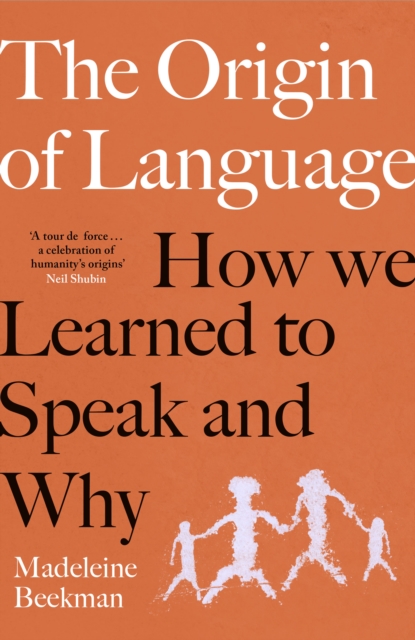
The Origin of Language
KSh 4,500.00
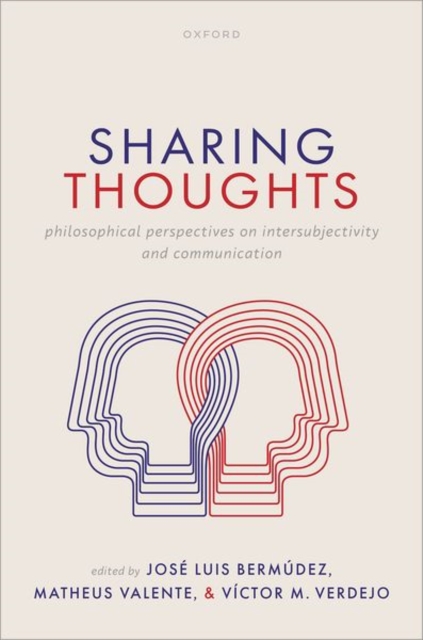
Sharing Thoughts
KSh 17,000.00
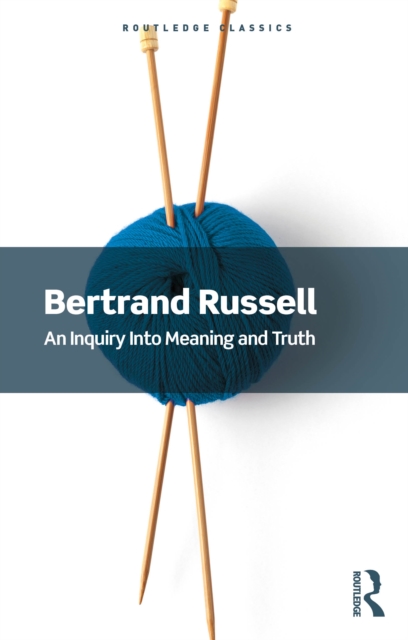
An Inquiry Into Meaning and Truth
KSh 3,750.00
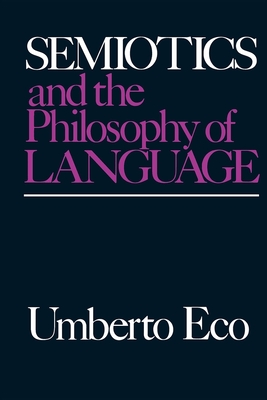
Semiotics and the Philosophy of Language
KSh 3,400.00
An Introduction to Logic
KSh 6,650.00

Walker Percy''s Search for Community
KSh 5,950.00
Film Figures
KSh 16,450.00

The Tacit Dimensions of Language and Logic
KSh 15,800.00

Metaphors in Action
KSh 21,600.00
Frontiers in Semiotics
KSh 3,000.00

A Theory of Death
KSh 11,900.00
