
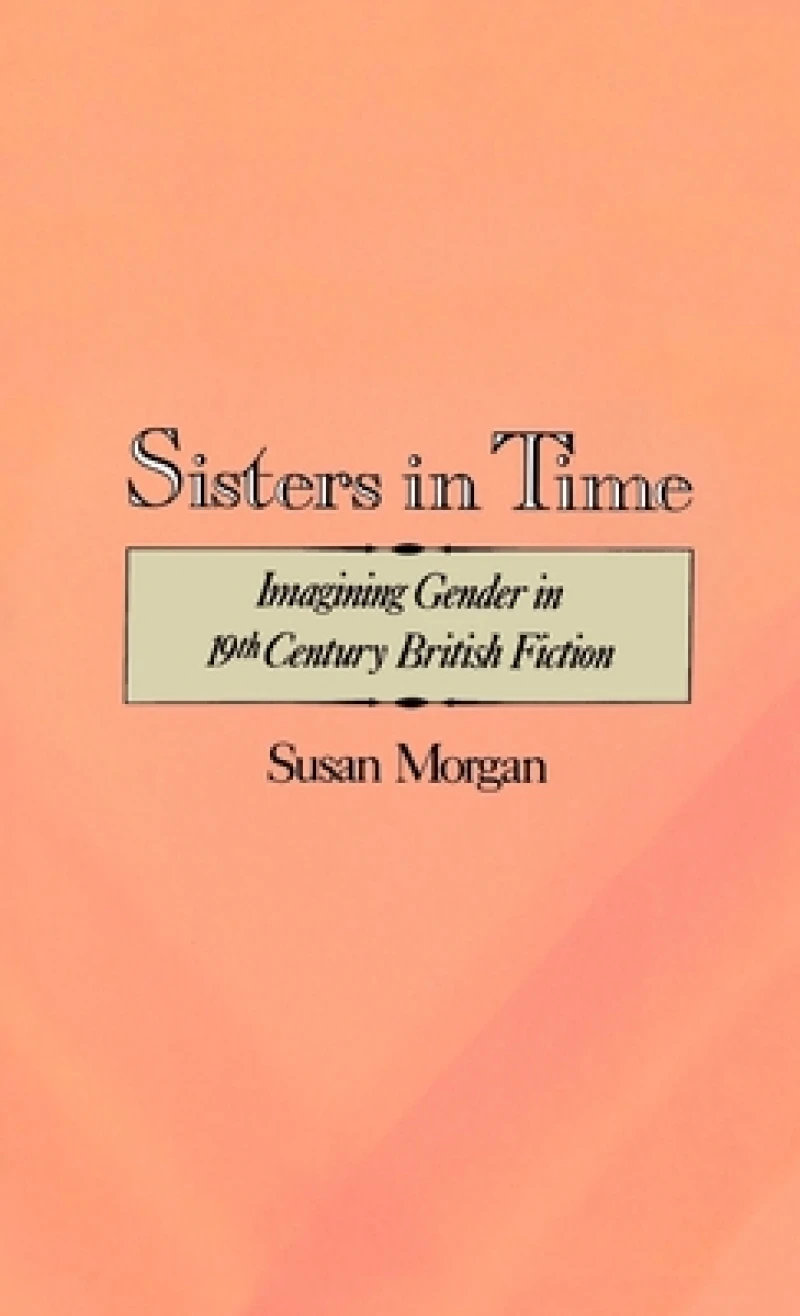
Sisters in Time : Imagining Gender in Nineteenth-Century British Fiction
by
Susan Morgan
Book Details
Format
Hardback or Cased Book
ISBN-10
0195058224
ISBN-13
9780195058222
Publisher
Oxford University Press
Imprint
Oxford University Press
Country of Manufacture
GB
Country of Publication
GB
Publication Date
Oct 26th, 1989
Print length
272 Pages
Weight
494 grams
Dimensions
21.60 x 14.00 x 1.90 cms
Ksh 5,550.00
Manufactured on Demand
0 in stock
Delivery Location
Delivery fee: Select location
Secure
Quality
Fast
Morgan's book begins with the fact that in a culture where women, both in life and in art, have continually been conceived of as less central to human concerns than men, one of the major periods of fiction should be so rich in novels that locate their centre of consciousness in women. The nineteenth century, the great age of British novels, is also the age of the great heroines, and this book examines why. Its essential argument is that the great march of British heroines in the nineteenth century exists in part because it was through women leads that writers, both male and female, could successfuly dramatize their pervasive concerns about history and community progress. The novels share the historical consciousness that the future must not repeat the past, and basic to that consciousness is the notion that traditional definitions of gender must not also be repeated. To change means to change what we mean by masculine and feminine, male and female. The further question these novels deal with is how rearranging such definitions can also rearrange relations between characters and, both inside and outside fiction, can change the relations between public and private events.
Morgan''s book begins with the fact that in a culture where women, both in life and in art, have continually been conceived of as less central to human concerns than men, one of the major periods of fiction should be so rich in novels that locate their centre of consciousness in women. The nineteenth century, the great age of British novels, is also the age of the great heroines, and this book examines why. Its essential argument is that the great march of British heroines in the nineteenth century exists in part because it was through women leads that writers, both male and female, could successfuly dramatize their pervasive concerns about history and community progress. The novels share the historical consciousness that the future must not repeat the past, and basic to that consciousness is the notion that traditional definitions of gender must not also be repeated. To change means to change what we mean by masculine and feminine, male and female. The further question these novels deal with is how rearranging such definitions can also rearrange relations between characters and, both inside and outside fiction, can change the relations between public and private events.
Get Sisters in Time by at the best price and quality guaranteed only at Werezi Africa's largest book ecommerce store. The book was published by Oxford University Press and it has pages.

