

Skyhookers : An Illustrated History of Hook-on Aircraft and Their Dirigible Motherships
by
William Wolf
Book Details
Format
Hardback
ISBN-10
1036137740
ISBN-13
9781036137748
Publisher
Pen & Sword Books Ltd
Imprint
Pen & Sword Books Ltd
Country of Manufacture
GB
Country of Publication
GB
Publication Date
Nov 13th, 2025
Print length
312 Pages
Weight
754 grams
Dimensions
16.50 x 24.30 x 2.90 cms
Product Classification:
Military historyMilitary historyAircraft and aviationAircraft: general interest
KSh 5,400.00
Werezi Extended Catalogue
Delivery in 12 days
4 copies in stock
Delivery Location
Delivery fee: Select location
Delivery in 12 days
Secure
Quality
Fast
From the First World War''s Zeppelins to the Second World War''s large bombers, military aircraft were vulnerable to fast, manoeuvrable interceptors. To address this, fighter escorts were used, but their limited range often left bombers exposed. A solution was the use of Composite aircraft, where larger bombers carried smaller, short-range fighters, which could be launched and retrieved as needed.Zeppelins, particularly vulnerable to interceptors, were ideal for this concept. During the First World War, Germany briefly experimented with carrying parasite aircraft, while the British conducted post-war trials using airships like His Majesty’s Airship R-23 and R-33, carrying fighters such as the Sopwith Camel and de Havilland DH.53 Humming Bird. However, successful hook-on/retrievals were only achieved with the Humming Bird.The US Navy and Army further developed this concept. In 1918, the Navy launched a Curtiss JN ‘Jenny’ from a C-1 Blimp, and in 1924, the Army successfully flew a Sperry Messenger from a TC-Class airship. The US perfected the carry/launch/retrieval method for airship defence and scouting, notably with the USS Los Angeles, which carried aircraft on a ‘trapeze’ device. The Akron and Macon airships, with internal storage for aircraft, further advanced this technique, making them some of the most remarkable aircraft of their time.
Get Skyhookers by William Wolf at the best price and quality guaranteed only at Werezi Africa's largest book ecommerce store. The book was published by Pen & Sword Books Ltd and it has 312 pages.
Customers Who Bought This Also Bought

Spy and the Traitor
KSh 2,150.00

My Promised Land
KSh 3,400.00

We Do Not Part
KSh 3,400.00

Boer War
KSh 3,400.00

Trapped in History
KSh 2,350.00

Siege
KSh 2,000.00

Africa
KSh 7,900.00

We Do Not Part
KSh 1,800.00

The Mission
KSh 4,500.00

The Road to the Country
KSh 1,800.00

Grand Strategy of the Roman Empire
KSh 4,600.00

Hiroshima Men
KSh 4,500.00
More by William Wolf

Cold War Long-Range Jet Fighter Program
KSh 5,400.00

Off Target
KSh 8,100.00

B-24 Liberator Haulers
KSh 5,400.00
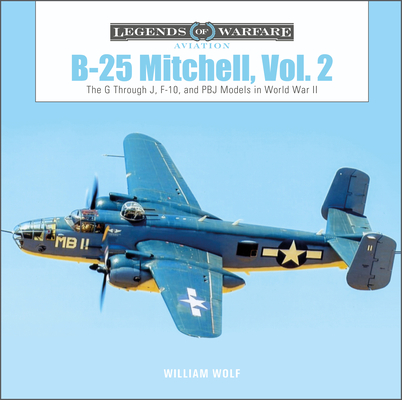
B-25 Mitchell, Vol. 2
KSh 3,550.00
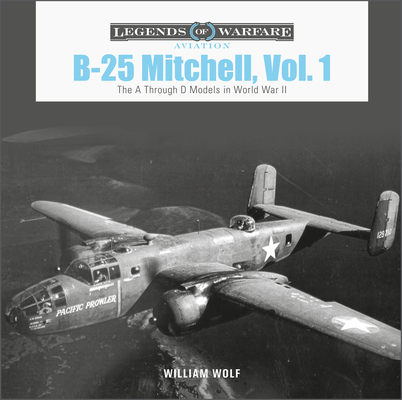
B-25 Mitchell, Vol. 1
KSh 3,600.00
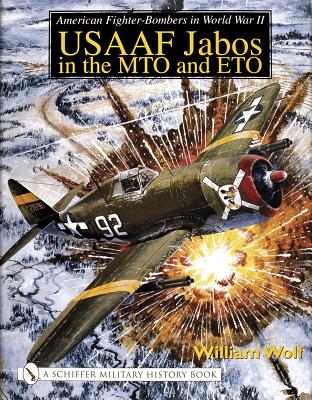
American Fighter-Bombers in World War II
KSh 10,600.00
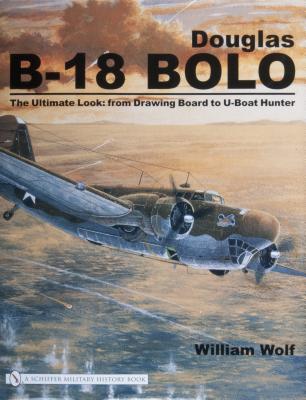
Douglas B-18 Bolo
KSh 9,900.00
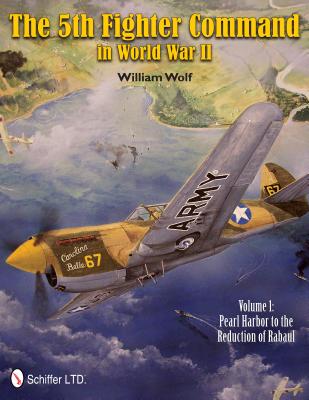
The 5th Fighter Command in World War II
KSh 12,300.00

Conquest of the Skies
KSh 11,950.00
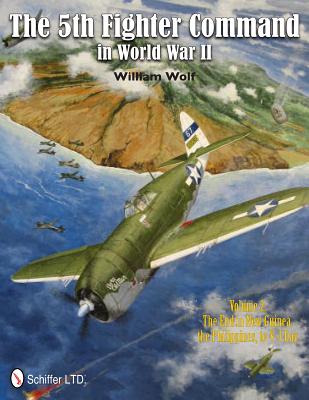
The 5th Fighter Command in World War II Vol. 2
KSh 12,300.00
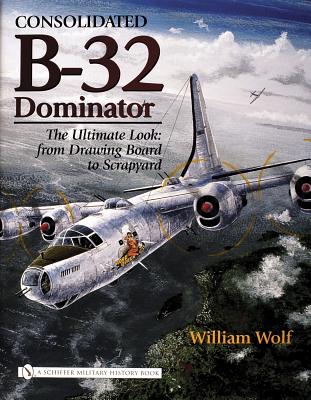
Consolidated B-32 Dominator
KSh 8,550.00
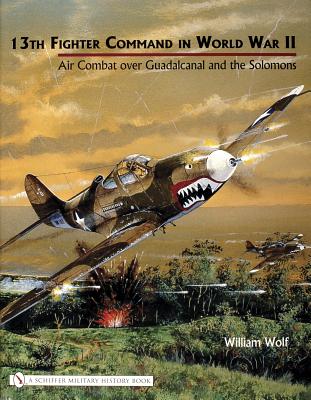
13th Fighter Command in World War II
KSh 10,200.00
