
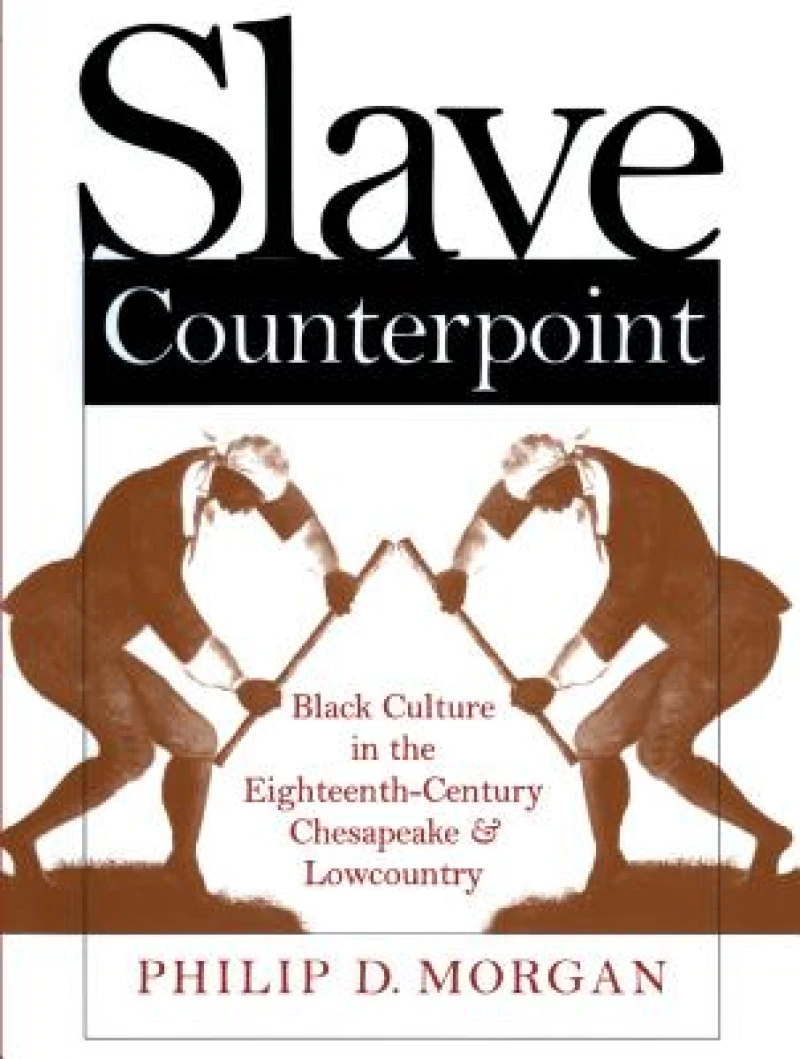
Slave Counterpoint : Black Culture in the Eighteenth-Century Chesapeake and Lowcountry
New
Book Details
Format
Paperback / Softback
ISBN-10
0807847178
ISBN-13
9780807847176
Edition
New
Publisher
The University of North Carolina Press
Imprint
The University of North Carolina Press
Country of Manufacture
US
Country of Publication
GB
Publication Date
Apr 27th, 1998
Print length
736 Pages
Weight
1,080 grams
Dimensions
23.30 x 15.70 x 4.20 cms
Product Classification:
History of the AmericasEarly modern history: c 1450/1500 to c 1700Modern history to 20th century: c 1700 to c 1900Slavery & abolition of slaveryCultural studiesEthnic studies / EthnicityCultural studiesBlack & Asian studiesHistoryHistory of the AmericasSlavery, enslaved persons and abolition of slavery
Ksh 9,200.00
Werezi Extended Catalogue
0 in stock
Delivery Location
Delivery fee: Select location
Secure
Quality
Fast
This study compares African American life in the two regional black cultures of Chesapeake and Lowcountry during the 18th century. It provides a view of slave life in the colonial American South by exploring the role of land and labour in shaping culture and the interior lives of the blacks.
On the eve of the American Revolution, nearly three-quarters of all African Americans in mainland British America lived in two regions: the Chesapeake, centered in Virginia, and the Lowcountry, with its hub in South Carolina. Here, Philip Morgan compares and contrasts African American life in these two regional black cultures, exploring the differences as well as the similarities. The result is a detailed and comprehensive view of slave life in the colonial American South. Morgan explores the role of land and labor in shaping culture, the everyday contacts of masters and slaves that defined the possibilities and limitations of cultural exchange, and finally the interior lives of blacks--their social relations, their family and kin ties, and the major symbolic dimensions of life: language, play, and religion. He provides a balanced appreciation for the oppressiveness of bondage and for the ability of slaves to shape their lives, showing that, whatever the constraints, slaves contributed to the making of their history. Victims of a brutal, dehumanizing system, slaves nevertheless strove to create order in their lives, to preserve their humanity, to achieve dignity, and to sustain dreams of a better future. |A detailed comparison of 18th-century slave life in the two areas where their population was centered: the Chesapeake region of Virginia and the South Carolina Lowcountry.
Get Slave Counterpoint by at the best price and quality guaranteed only at Werezi Africa's largest book ecommerce store. The book was published by The University of North Carolina Press and it has pages.

