
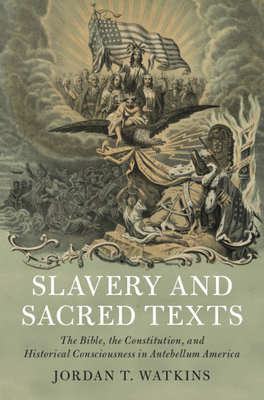
Slavery and Sacred Texts : The Bible, the Constitution, and Historical Consciousness in Antebellum America
Book Details
Format
Hardback
ISBN-10
110847814X
ISBN-13
9781108478144
Publisher
Cambridge University Press
Imprint
Cambridge University Press
Country of Manufacture
GB
Country of Publication
GB
Publication Date
Jul 1st, 2021
Print length
400 Pages
Weight
682 grams
Dimensions
15.90 x 23.60 x 3.30 cms
KSh 9,800.00
Currently unavailable
0 in stock
Delivery Location
Delivery fee: Select location
Secure
Quality
Fast
Using the debate over American slavery as a case study, Jordan T. Watkins analyzes the development of historical consciousness in antebellum America, showing how Americans' appeal to the nations' sacred and religious texts - the Bible and the Constitution - gave rise to a growing sense of historical distance.
In the decades before the Civil War, Americans appealed to the nation's sacred religious and legal texts - the Bible and the Constitution - to address the slavery crisis. The ensuing political debates over slavery deepened interpreters' emphasis on historical readings of the sacred texts, and in turn, these readings began to highlight the unbridgeable historical distances that separated nineteenth-century Americans from biblical and founding pasts. While many Americans continued to adhere to a belief in the Bible's timeless teachings and the Constitution's enduring principles, some antislavery readers, including Theodore Parker, Frederick Douglass, and Abraham Lincoln, used historical distance to reinterpret and use the sacred texts as antislavery documents. By using the debate over American slavery as a case study, Jordan T. Watkins traces the development of American historical consciousness in antebellum America, showing how a growing emphasis on historical readings of the Bible and the Constitution gave rise to a sense of historical distance.
Get Slavery and Sacred Texts by Jordan T. Watkins at the best price and quality guaranteed only at Werezi Africa's largest book ecommerce store. The book was published by Cambridge University Press and it has 400 pages.
Customers Who Bought This Also Bought
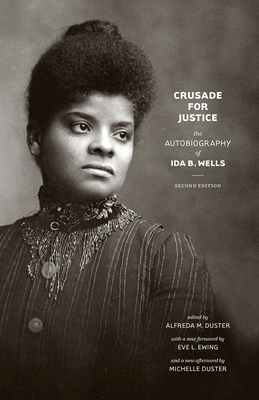
Crusade for Justice – The Autobiography of Ida B. Wells, Second Edition
KSh 4,050.00

Killers of the Flower Moon
KSh 2,000.00
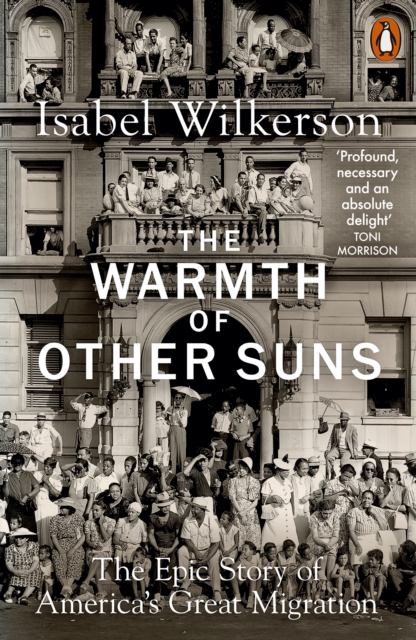
Warmth of Other Suns
KSh 3,050.00

Frederick Douglass
KSh 3,350.00
107 Days
KSh 4,500.00

Second Treatise of Government – Norton Library
KSh 1,600.00
Tuesdays With Morrie
KSh 2,000.00
My Bondage and My Freedom
KSh 1,600.00

Hidden Figures
KSh 2,000.00

America, América
KSh 3,650.00

Holding the Line
KSh 2,000.00

Nuclear Folly
KSh 3,050.00

