
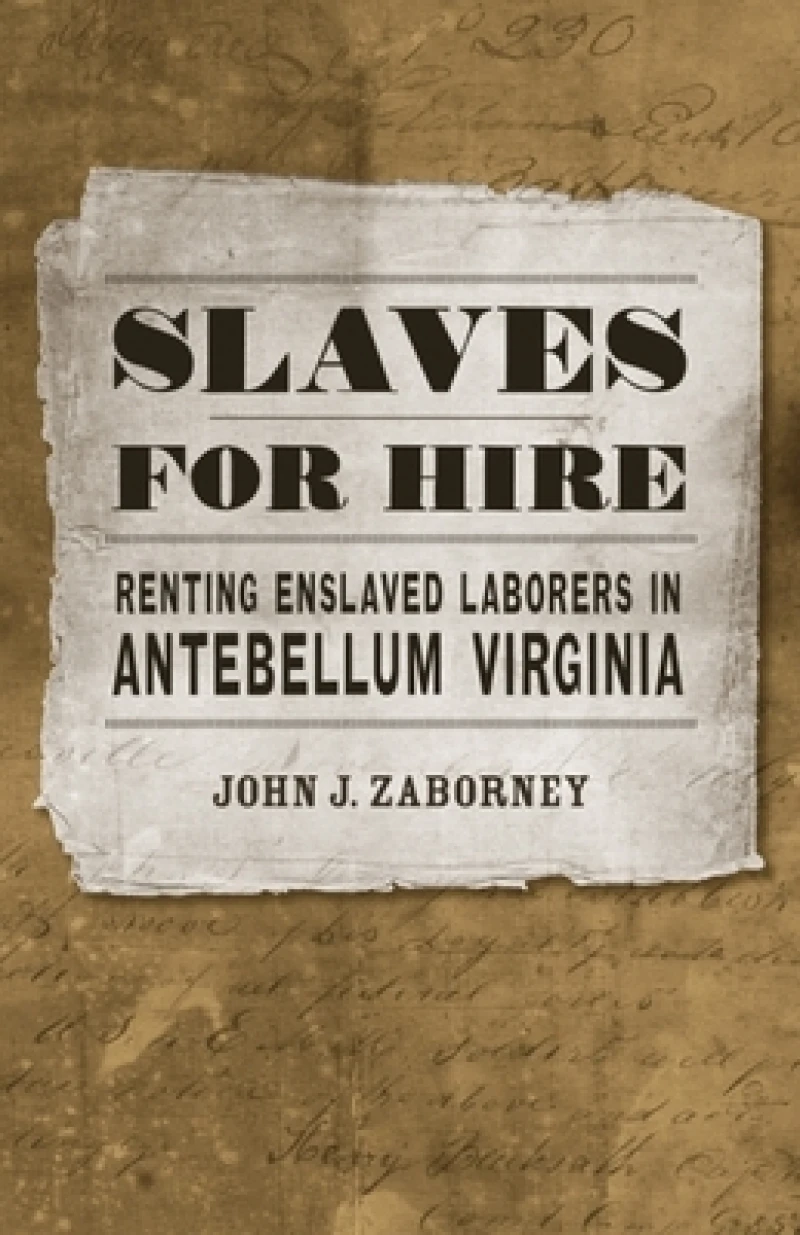
Slaves for Hire : Renting Enslaved Laborers in Antebellum Virginia
Book Details
Format
Hardback or Cased Book
ISBN-10
0807145122
ISBN-13
9780807145128
Publisher
Louisiana State University Press
Imprint
Louisiana State University Press
Country of Manufacture
US
Country of Publication
GB
Publication Date
Oct 12th, 2012
Print length
232 Pages
Weight
431 grams
Dimensions
21.80 x 14.70 x 2.50 cms
Product Classification:
History of the AmericasModern history to 20th century: c 1700 to c 1900Social & cultural historySlavery & abolition of slaveryEthnic studies / EthnicityEthnic studiesBlack & Asian studiesHistoryHistory of the AmericasSocial and cultural historySlavery, enslaved persons and abolition of slaveryLocal history
Ksh 6,600.00
Temporarily out of stock, due soon
0 in stock
Delivery Location
Delivery fee: Select location
Secure
Quality
Fast
Overturns long-standing beliefs about slave labour in the antebellum South. In the first in-depth examination of slave hiring in Virginia, Zaborney suggests that this endemic practice bolstered the institution of slavery in the decades leading up to the Civil War, all but assuring Virginia's secession from the Union to protect slavery.
In Slaves for Hire, John J. Zaborney overturns long-standing beliefs about slave labor in the antebellum South. Previously, scholars viewed slave hiring as an aberration -- a modified form of slavery, involving primarily urban male slaves, that worked to the laborer's advantage and weakened slavery's institutional integrity. In the first in-depth examination of slave hiring in Virginia, Zaborney suggests that this endemic practice bolstered the institution of slavery in the decades leading up to the Civil War, all but assuring Virginia's secession from the Union to protect slavery.
Moving beyond previous analyses, Zaborney examines slave hiring in rural and agricultural settings, along with the renting of women, children, and elderly slaves. His research reveals that, like non-hired-out slaves, these other workers' experiences varied in accordance with sex, location, occupation, economic climate, and crop prices, as well as owners' and renters' convictions and financial circumstances. Hired slaves in Virginia faced a full range of oppression from nearly full autonomy to harsh exploitation.
Whites of all economic, occupational, gender, ethnic, and age groups, including slave owners and non-slave-owners, rented slaves regularly. Additionally, male owners and hirers often transported slaves to those who worked them, and acted as agents for white women who wished to hire out their slaves. Ultimately, widespread white mastery of hired slaves allowed owners with superfluous slaves to offer them for rent locally rather than selling them to the Lower South, establishing the practice as an integral feature of Virginia slavery.
Moving beyond previous analyses, Zaborney examines slave hiring in rural and agricultural settings, along with the renting of women, children, and elderly slaves. His research reveals that, like non-hired-out slaves, these other workers' experiences varied in accordance with sex, location, occupation, economic climate, and crop prices, as well as owners' and renters' convictions and financial circumstances. Hired slaves in Virginia faced a full range of oppression from nearly full autonomy to harsh exploitation.
Whites of all economic, occupational, gender, ethnic, and age groups, including slave owners and non-slave-owners, rented slaves regularly. Additionally, male owners and hirers often transported slaves to those who worked them, and acted as agents for white women who wished to hire out their slaves. Ultimately, widespread white mastery of hired slaves allowed owners with superfluous slaves to offer them for rent locally rather than selling them to the Lower South, establishing the practice as an integral feature of Virginia slavery.
Get Slaves for Hire by at the best price and quality guaranteed only at Werezi Africa's largest book ecommerce store. The book was published by Louisiana State University Press and it has pages.

