

Slow Computing – Why We Need Balanced Digital Live s : Why We Need Balanced Digital Lives
Book Details
Format
Paperback / softback
ISBN-10
1529211263
ISBN-13
9781529211269
Publisher
Bristol University Press
Imprint
Bristol University Press
Country of Manufacture
GB
Country of Publication
GB
Publication Date
Sep 24th, 2020
Print length
224 Pages
Weight
250 grams
Dimensions
13.70 x 21.40 x 2.10 cms
KSh 3,050.00
Currently unavailable
0 in stock
Delivery Location
Delivery fee: Select location
Secure
Quality
Fast
Is it possible to experience the joy and benefits of computing in a way that asserts individual and collective autonomy? Drawing on the ideas of the 'slow movement', Slow Computing sets out numerous practical and political means to take back control and counter the more pernicious effects of living digital lives.
Digital technologies should be making life easier. And to a large degree they are, transforming everyday tasks of work, consumption, communication, travel and play. But they are also accelerating and fragmenting our lives affecting our well-being and exposing us to extensive data extraction and profiling that helps determine our life chances. Initially, the COVID-19 pandemic lockdown seemed to create new opportunities for people to practice ‘slow computing’, but it quickly became clear that it was as difficult, if not more so, than during normal times. Is it then possible to experience the joy and benefits of computing, but to do so in a way that asserts individual and collective autonomy over our time and data? Drawing on the ideas of the ‘slow movement’, Slow Computing sets out numerous practical and political means to take back control and counter the more pernicious effects of living digital lives.
Get Slow Computing – Why We Need Balanced Digital Live s by Alistair Fraser, Rob Kitchin at the best price and quality guaranteed only at Werezi Africa's largest book ecommerce store. The book was published by Bristol University Press and it has 224 pages.
Customers Who Bought This Also Bought
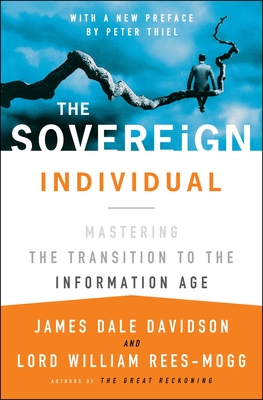
The Sovereign Individual
KSh 3,600.00

Message
KSh 3,400.00

Covering Islam
KSh 2,350.00

Stranger Faces
KSh 2,500.00

Careless People
KSh 2,000.00

Careless People
KSh 3,950.00

Medium is the Massage
KSh 2,000.00

Let Me Tell You What I Mean
KSh 2,000.00

Manufacturing Consent
KSh 2,350.00
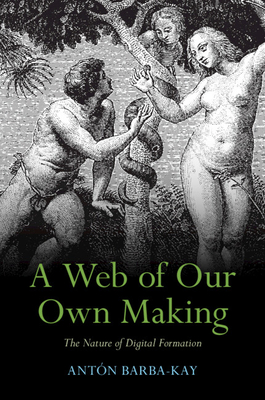
A Web of Our Own Making
KSh 4,650.00
Understanding Media
KSh 5,750.00

Chokepoint Capitalism
KSh 2,000.00
More by Alistair Fraser, Rob Kitchin

The Public Health Approach to Violence Reduction
KSh 20,250.00

The Cognition of Geographic Space
KSh 25,200.00

Gangs & Crime
KSh 24,100.00

Digital Timescapes – Technology, Temporality and Society
KSh 3,350.00

Researching Digital Life
KSh 6,850.00

The Data Revolution
KSh 20,900.00

The Academic's Guide to Publishing
KSh 8,300.00

Cyberspace
KSh 14,950.00

Global Foodscapes
KSh 33,850.00

Critical Data Studies: An A to Z Guide to Concepts and Methods
KSh 3,400.00

Global Foodscapes
KSh 8,450.00

The Academic's Guide to Publishing
KSh 27,350.00