
Smallpox and the Literary Imagination, 1660-1820
Book Details
Format
Hardback or Cased Book
ISBN-10
052187209X
ISBN-13
9780521872096
Publisher
Cambridge University Press
Imprint
Cambridge University Press
Country of Manufacture
GB
Country of Publication
GB
Publication Date
May 17th, 2007
Print length
280 Pages
Weight
554 grams
Dimensions
15.90 x 23.60 x 2.30 cms
Product Classification:
Literary studies: generalLiterary studies: c 1500 to c 1800Literary studies: c 1800 to c 1900
Ksh 17,800.00
Manufactured on Demand
0 in stock
Delivery Location
Delivery fee: Select location
Secure
Quality
Fast
This book is a substantial critical study of the literary representation of smallpox and its victims. David Shuttleton draws upon works by Dryden, Johnson, Steele, Goldsmith and Lady Mary Wortley Montagu to uncover the different ways writers found to come to terms with the terror of disease and death.
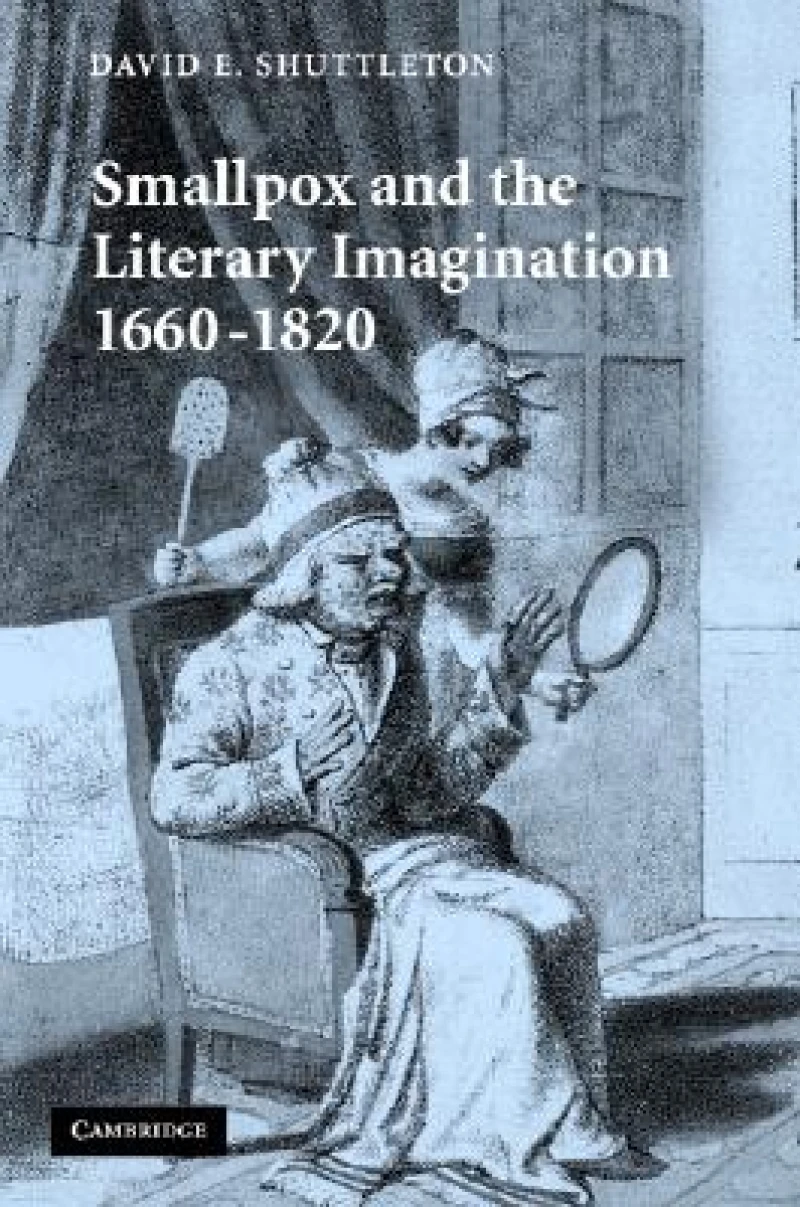
Smallpox was a much feared disease until modern times, responsible for many deaths worldwide and reaching epidemic proportions amongst the British population in the seventeenth and eighteenth centuries. This book is a substantial critical study of the literary representation of the disease and its victims between the Restoration and the development of inoculation against smallpox around 1800. David Shuttleton draws upon a wide range of canonical texts including works by Dryden, Johnson, Steele, Goldsmith and Lady Mary Wortley Montagu, the latter having experimented with vaccination against smallpox. He reads these texts alongside medical treatises and the rare, but moving writings of smallpox survivors, showing how medical and imaginative writers developed a shared tradition of figurative tropes, myths and metaphors. This fascinating study uncovers the cultural impact of smallpox, and the different ways writers found to come to terms with the terror of disease and death.
Get Smallpox and the Literary Imagination, 1660-1820 by at the best price and quality guaranteed only at Werezi Africa's largest book ecommerce store. The book was published by Cambridge University Press and it has pages.

