
Cart 0
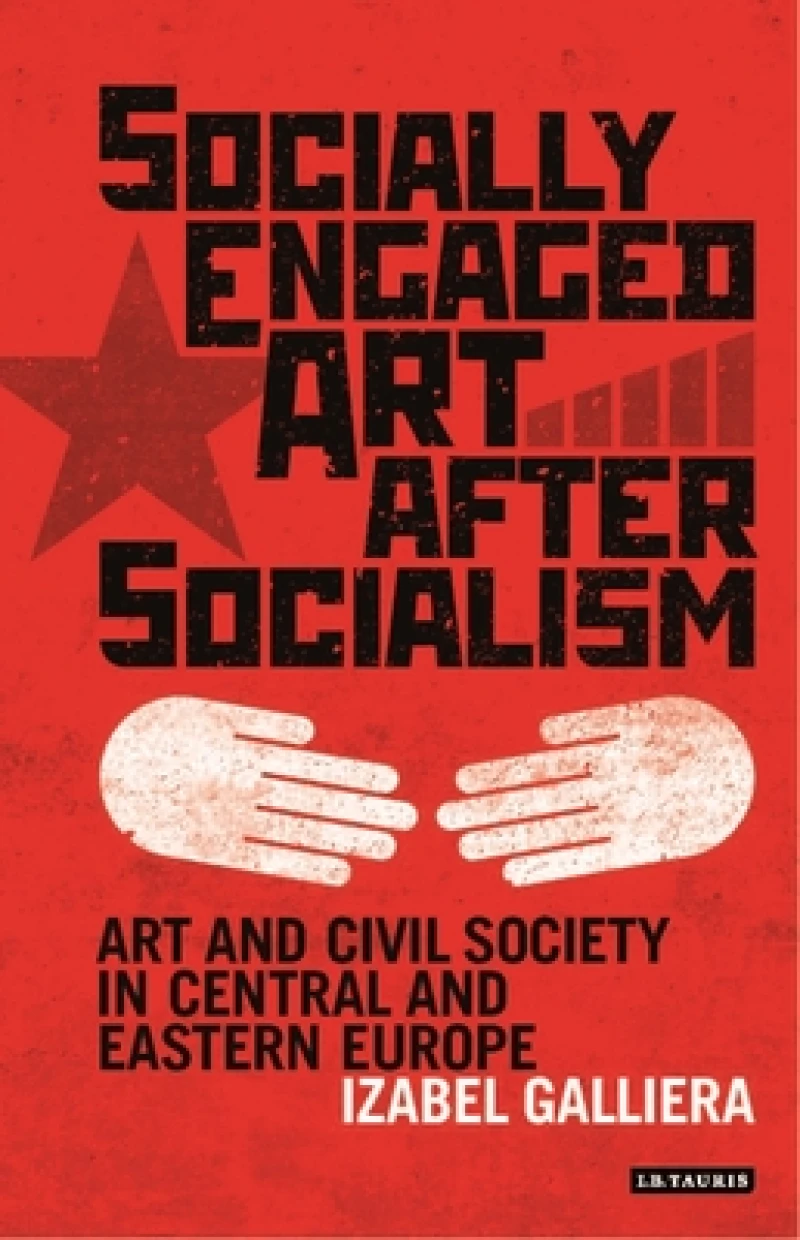
Socially Engaged Art after Socialism
Click to zoom

Share this book

Socially Engaged Art after Socialism : Art and Civil Society in Central and Eastern Europe

Book Details

Format Paperback / Softback
ISBN-10 1350276685
ISBN-13 9781350276680
Publisher Bloomsbury Publishing PLC
Imprint Bloomsbury Visual Arts
Country of Manufacture GB
Country of Publication GB
Publication Date Apr 7th, 2022
Print length 384 Pages
Weight 686 grams
Dimensions 13.80 x 21.60 x 2.40 cms
Ksh 6,050.00
Werezi Extended Catalogue 0 in stock

Delivery Location

Delivery fee: Select location

Secure
Quality
Fast
The post-1989 period has seen artists in Central and Eastern Europe embrace socially engaged practices. Reclaiming public life from the ideologies of both communist regimes and neoliberalism, their projects have harnessed the politically subversive potential of social relations based on trust, reciprocity and solidarity. Drawing on archival material and exclusive interviews, in this book Izabel Galliera traces the development of socially engaged art from the early 1990s to the present in Bulgaria, Hungary and Romania. She demonstrates that, in the early 1990s, projects were primarily created for exhibitions organized and funded by the Soros Centers for Contemporary Art. In the early 2000s, prior to Bulgaria, Hungary and Romania entering into the European Union, EU institutions likewise funded socially-conscious public art in the region. Today, socially engaged art is characterised by the proliferation of independent and often self-funded artists' initiatives in cities such as Sofia, Bucharest and Budapest. Focusing on the relationships between art, social capital and civil society, Galliera employs sociological and political theories to reveal that, while social capital is generally considered a mechanism of exclusion in the West, in post-socialist contexts it has been leveraged by artists and curators as a vital means of communication and action.

The post-1989 period has seen artists in Central and Eastern Europe embrace socially engaged practices. Reclaiming public life from the ideologies of both communist regimes and neoliberalism, their projects have harnessed the politically subversive potential of social relations based on trust, reciprocity and solidarity. Drawing on archival material and exclusive interviews, in this book Izabel Galliera traces the development of socially engaged art from the early 1990s to the present in Bulgaria, Hungary and Romania. She demonstrates that, in the early 1990s, projects were primarily created for exhibitions organized and funded by the Soros Centers for Contemporary Art. In the early 2000s, prior to Bulgaria, Hungary and Romania entering into the European Union, EU institutions likewise funded socially-conscious public art in the region.

Today, socially engaged art is characterised by the proliferation of independent and often self-funded artists'' initiatives in cities such as Sofia, Bucharest and Budapest. Focusing on the relationships between art, social capital and civil society, Galliera employs sociological and political theories to reveal that, while social capital is generally considered a mechanism of exclusion in the West, in post-socialist contexts it has been leveraged by artists and curators as a vital means of communication and action.


Get Socially Engaged Art after Socialism by at the best price and quality guaranteed only at Werezi Africa's largest book ecommerce store. The book was published by Bloomsbury Publishing PLC and it has pages.


Mind, Body, & Spirit

Shopping Cart

Africa largest book store

Sub Total:
Ebooks

Digital Library
Coming Soon

Our digital collection is currently being curated to ensure the best possible reading experience on Werezi. We'll be launching our Ebooks platform shortly.