
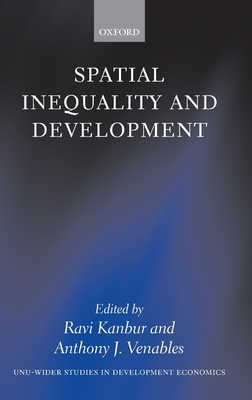
Spatial Inequality and Development
Book Details
Format
Hardback
Book Series
WIDER Studies in Development Economics
ISBN-10
0199278636
ISBN-13
9780199278633
Publisher
Oxford University Press
Imprint
Oxford University Press
Country of Manufacture
GB
Country of Publication
GB
Publication Date
Feb 3rd, 2005
Print length
440 Pages
Weight
808 grams
Dimensions
16.40 x 24.20 x 3.00 cms
Product Classification:
Development economics & emerging economies
KSh 35,300.00
Temporarily out of stock, due soon
0 in stock
Delivery Location
Delivery fee: Select location
Secure
Quality
Fast
An introduction to an area of growing analytical and policy importance: spatial and regional inequality, which can create tension and instability in developing and transition economies. Drawing on data from 25 countries from around the world, it answers the following key questions: What exactly is spatial inequality? Why does it matter?
What exactly is spatial inequality? Why does it matter? And what should be the policy response to it? These questions have become important in recent years as the spatial dimensions of inequality have begun to attract considerable policy interest. In China, Russia, India, Mexico, and South Africa, as well as most other developing and transition economies, spatial and regional inequality - of economic activity, incomes, and social indicators - is on the increase.Spatial inequality is a dimension of overall inequality, but it has added significance when spatial and regional divisions align with political and ethnic tensions to undermine social and political stability. Also important in the policy debate is a perceived sense that increasing internal spatial inequality is related to greater openness of economies, and to globalization in general.Despite these important concerns, there is remarkably little systematic documentation of what has happened to spatial and regional inequality over the last twenty years. Correspondingly, there is insufficient understanding of the determinants of internal spatial inequality.This volume attempts to answer the questions posed above, drawing on data from twenty-five countries from all regions of the world. They bring together perspectives and expertise in development economics and in economic geography and form a well-researched introduction to an area of growing analytical and policy importance.
Get Spatial Inequality and Development by Anthony J. Venables at the best price and quality guaranteed only at Werezi Africa's largest book ecommerce store. The book was published by Oxford University Press and it has 440 pages.
Customers Who Bought This Also Bought

How Africa Works
KSh 3,050.00

How Africa Works
KSh 4,500.00

Rise Fall Great Powers
KSh 3,050.00

The Great Escape
KSh 2,900.00
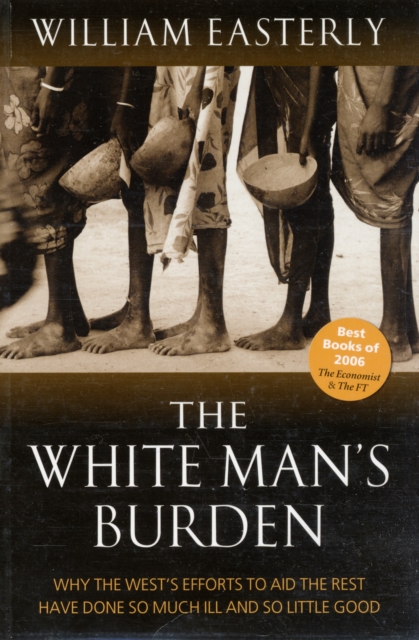
The White Man''s Burden
KSh 2,900.00

We Are Not Able to Live in the Sky
KSh 3,400.00
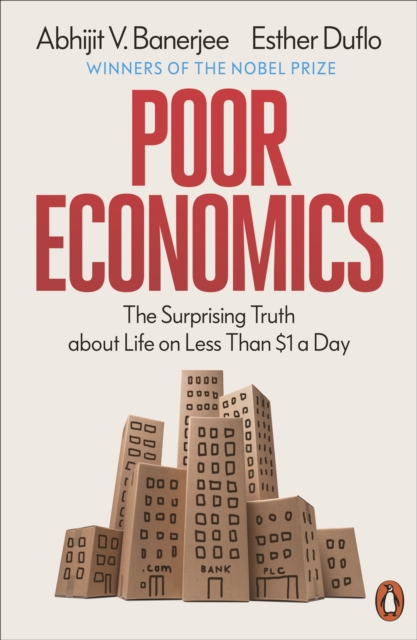
Poor Economics
KSh 2,350.00
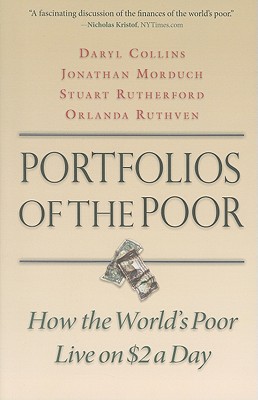
Portfolios of the Poor – How the World`s Poor Live on $2 a Day
KSh 5,400.00
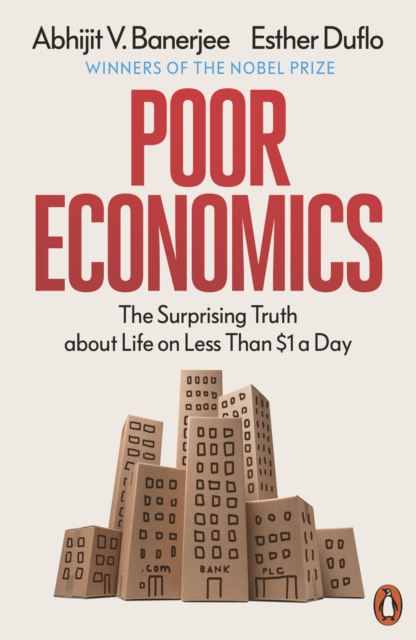
Poor Economics
KSh 2,000.00
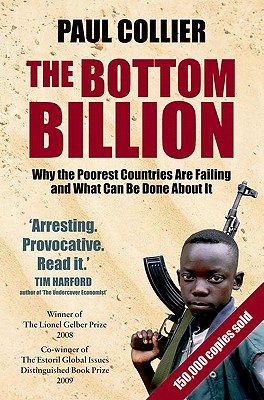
The Bottom Billion
KSh 2,500.00
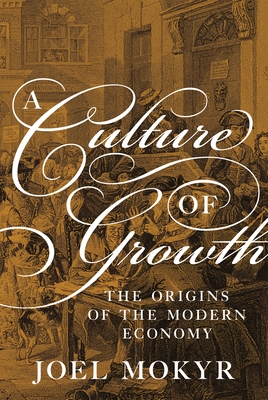
A Culture of Growth – The Origins of the Modern Economy
KSh 3,950.00
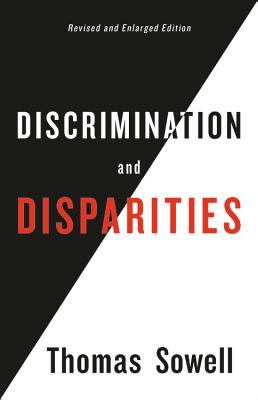
Discrimination and Disparities
KSh 5,400.00
