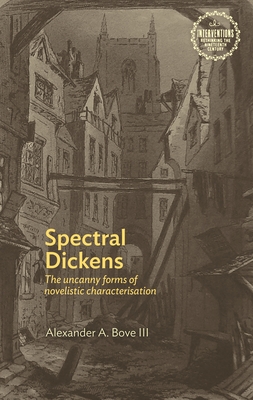
Spectral Dickens : The Uncanny Forms of Novelistic Characterization
Book Details
Format
Hardback
Book Series
Interventions: Rethinking the Nineteenth Century
ISBN-10
1526147939
ISBN-13
9781526147936
Publisher
Manchester University Press
Imprint
Manchester University Press
Country of Manufacture
GB
Country of Publication
GB
Publication Date
Feb 2nd, 2021
Print length
256 Pages
Weight
452 grams
Dimensions
22.30 x 14.60 x 2.30 cms
KSh 15,300.00
Currently unavailable
0 in stock
Delivery Location
Delivery fee: Select location
Secure
Quality
Fast
Spectral Dickens posits a spectral dimension of literary character. By analyzing Dickens’ illustrated novels through a frame of ontologically haunted concepts like the Freudian uncanny, Derridean spectrality, and the Lacanian Real, Bove’s work haunts the opposition between fictional character and real person with the uncanniness of literary forms. -- .
Drawing on the recent ontological turn in critical theory, Spectral Dickens explores an aspect of literary character that is neither real nor fictional, but spectral. This work thus provides an in-depth study of the inimitable characters populating Dickens? illustrated novels using three hauntological concepts: the Freudian uncanny, Derridean spectrality, and the Lacanian real. Thus, while the current discourse on character studies, which revolves around values like realism, depth, and lifelikeness, tends to see characters as mimetic of persons, this book invents new critical concepts to account for non-mimetic forms of characterization. These spectral forms bring to light the important influence of developments in nineteenth-century visual culture, such as the lithography and caricature of Daumier and J.J. Grandville. The spectrality of novelistic characters developed here paves the way for a new understanding of fictional characters in general.
Get Spectral Dickens by Alexander Bove III at the best price and quality guaranteed only at Werezi Africa's largest book ecommerce store. The book was published by Manchester University Press and it has 256 pages.
Customers Who Bought This Also Bought

How to Read & Why
KSh 2,350.00
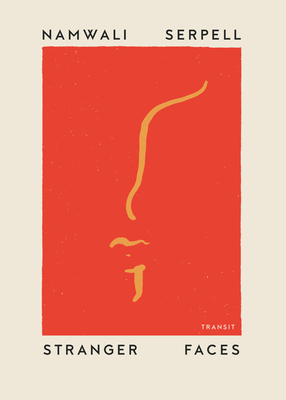
Stranger Faces
KSh 2,500.00
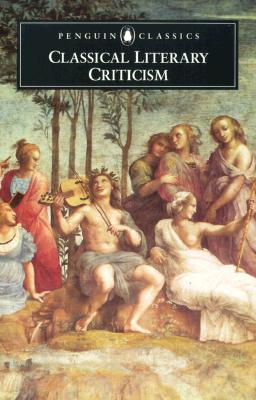
Classical Literary Criticism
KSh 2,350.00

Recognising the Stranger
KSh 1,800.00
What is Literature?
KSh 3,250.00

Beginnings
KSh 3,050.00

Create Dangerously
KSh 700.00
An Analysis of Immanuel Kant''s Critique of Pure Reason
KSh 1,200.00
Chaucer's Pardoner and Gender Theory
KSh 8,100.00
Black and Female
KSh 2,350.00

Difference and Repetition
KSh 4,500.00
The Social Construction of What?
KSh 5,200.00