
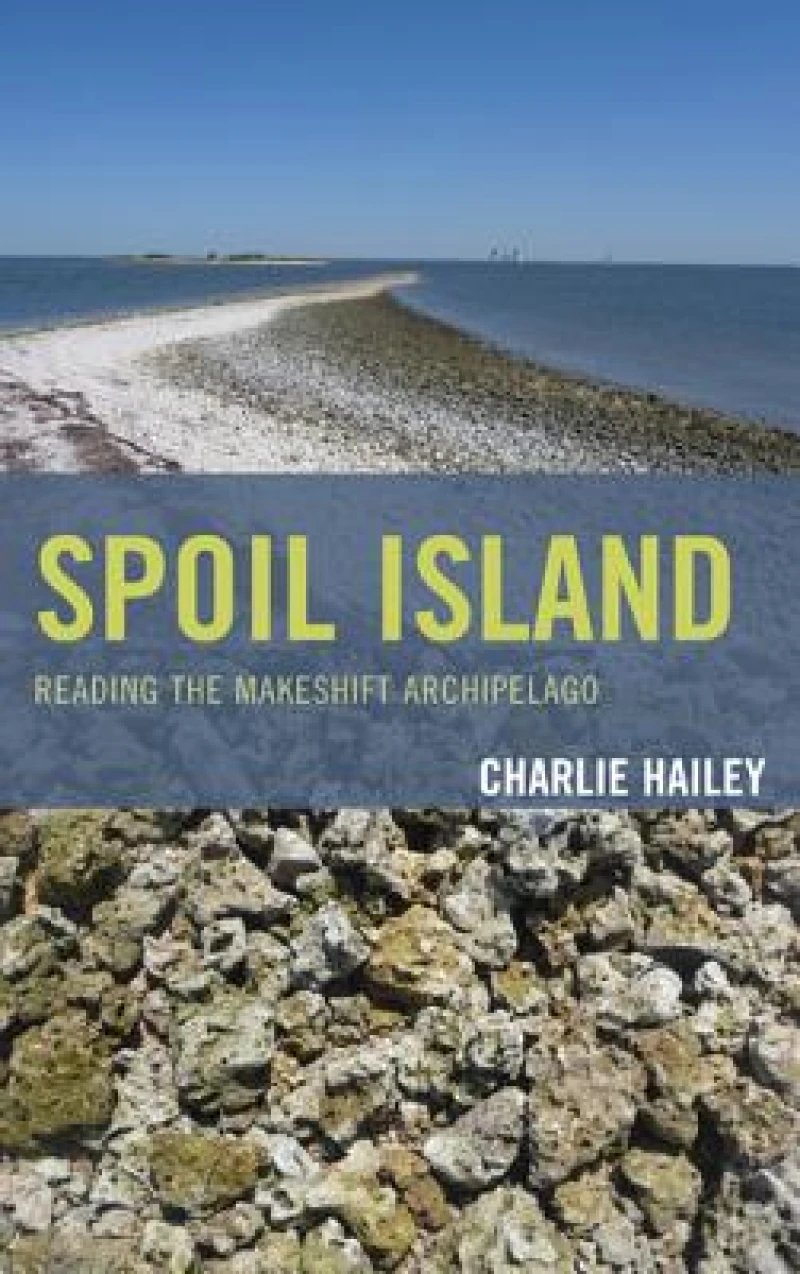
Spoil Island : Reading the Makeshift Archipelago
Book Details
Format
Hardback or Cased Book
Book Series
Toposophia: Thinking Place/Making Space
ISBN-10
0739173065
ISBN-13
9780739173060
Publisher
Bloomsbury Publishing Plc
Imprint
Lexington Books
Country of Manufacture
GB
Country of Publication
GB
Publication Date
Aug 1st, 2013
Print length
336 Pages
Weight
644 grams
Dimensions
23.50 x 16.00 x 3.20 cms
Product Classification:
Regional studiesSocial groupsHuman geography
Ksh 23,300.00
Manufactured on Demand
0 in stock
Delivery Location
Delivery fee: Select location
Secure
Quality
Fast
Is there an allure of spoiled places? Spoil islands are overlooked places that combine dirt with paradise, waste-land with “brave new world,” and wildness with human intervention. Although they are mundane products of dredging, these islands form an uninvestigated archipelago that demonstrates the potential value and contested re-valuation of landscapes of waste. To explore these islands, Spoil Island: Reading the Makeshift Archipelago navigates a course along the U.S. east coast, moving from New York City to Florida. Along the way, a general populace squats, picnics, and reflects on the islands, while other forces are also at work. New York City parks commissioner Robert Moses first deplores then adopts Hoffman and Swinburne Islands, UN Secretary General U Thant meditates on the East River’s Belmont Island, businessman John D. MacArthur rejects the purchase of Peanut Island, artist Christo surrounds Miami’s spoil islands, Key Westers debate the futures of two spoil islands that mark their sunset view, and artist Robert Smithson augments this archipelago materially and conceptually. Historical and contemporary stories highlight each island’s often contradictory ecologies that pair nature with infrastructure, public concerns with private development, rationalized urbanism with artistic impulse, and order with disorder. Spoil islands put you in places you normally wouldn’t—and perhaps shouldn’t—be. To examine these marginalized topographies is to understand emergent concerns of twenty-first-century place-making, public space, and natural and artificial infrastructure. Today, spoil islands constitute an unprecedented public commons, where human agency and nature are inextricably linked.Spoil Island will be of interest to anyone working in the areas of architecture, cultural history, cultural geography, environmental studies, or environmental philosophy. Linking the islands with their environmental aesthetics, Charlie Hailey provides a lively and critical topography of places that play a part in current events and local situations with global implications.
Is there an allure of spoiled places? Spoil islands are overlooked places that combine dirt with paradise, waste-land with “brave new world,” and wildness with human intervention. Although they are mundane products of dredging, these islands form an uninvestigated archipelago that demonstrates the potential value and contested re-valuation of landscapes of waste. To explore these islands, Spoil Island: Reading the Makeshift Archipelago navigates a course along the U.S. east coast, moving from New York City to Florida. Along the way, a general populace squats, picnics, and reflects on the islands, while other forces are also at work. New York City parks commissioner Robert Moses first deplores then adopts Hoffman and Swinburne Islands, UN Secretary General U Thant meditates on the East River’s Belmont Island, businessman John D. MacArthur rejects the purchase of Peanut Island, artist Christo surrounds Miami’s spoil islands, Key Westers debate the futures of two spoil islands that mark their sunset view, and artist Robert Smithson augments this archipelago materially and conceptually. Historical and contemporary stories highlight each island’s often contradictory ecologies that pair nature with infrastructure, public concerns with private development, rationalized urbanism with artistic impulse, and order with disorder. Spoil islands put you in places you normally wouldn’t—and perhaps shouldn’t—be. To examine these marginalized topographies is to understand emergent concerns of twenty-first-century place-making, public space, and natural and artificial infrastructure. Today, spoil islands constitute an unprecedented public commons, where human agency and nature are inextricably linked. Spoil Island will be of interest to anyone working in the areas of architecture, cultural history, cultural geography, environmental studies, or environmental philosophy. Linking the islands with their environmental aesthetics, Charlie Hailey provides a lively and critical topography of places that play a part in current events and local situations with global implications.
Get Spoil Island by at the best price and quality guaranteed only at Werezi Africa's largest book ecommerce store. The book was published by Bloomsbury Publishing Plc and it has pages.

