
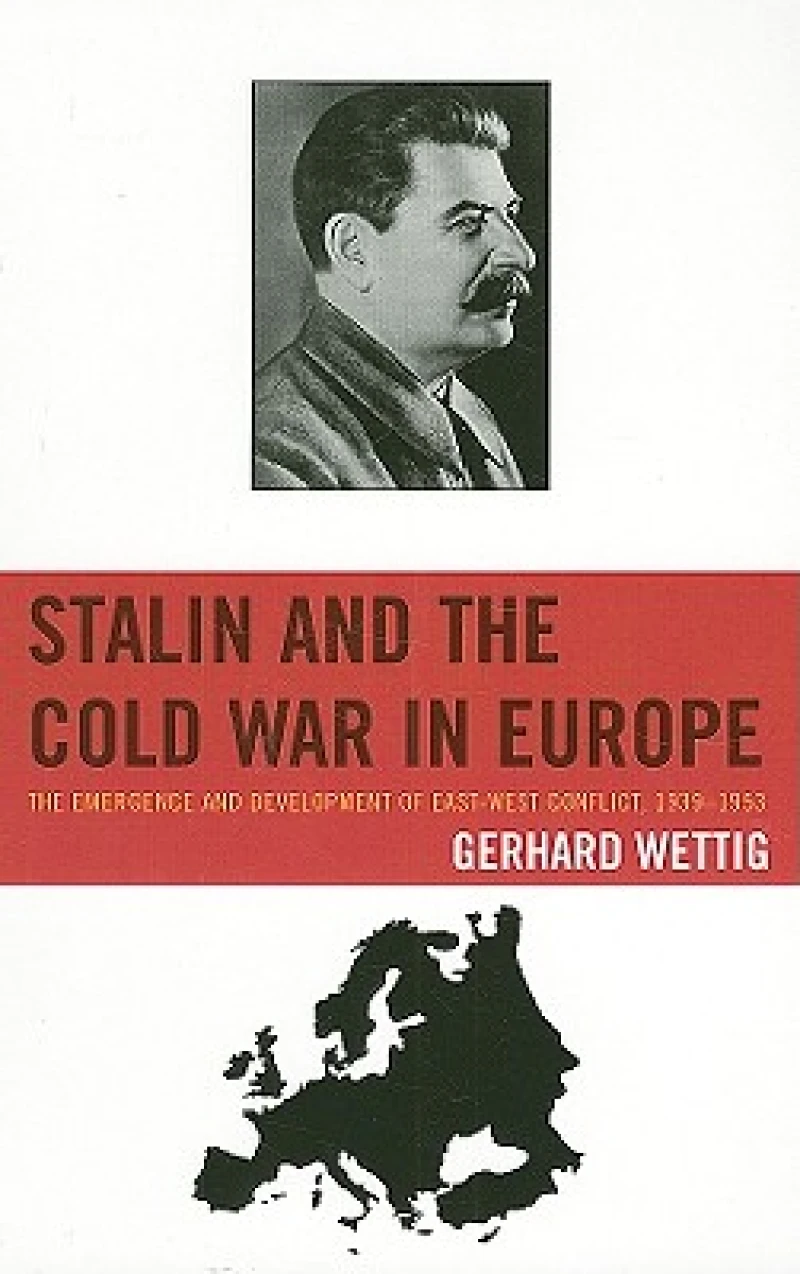
Stalin and the Cold War in Europe : The Emergence and Development of East-West Conflict, 1939-1953
Book Details
Format
Hardback or Cased Book
Book Series
The Harvard Cold War Studies Book Series
ISBN-10
0742555429
ISBN-13
9780742555426
Publisher
Bloomsbury Publishing Plc
Imprint
Rowman & Littlefield Publishers
Country of Manufacture
GB
Country of Publication
GB
Publication Date
Nov 6th, 2007
Print length
294 Pages
Weight
600 grams
Dimensions
23.80 x 16.60 x 2.40 cms
Product Classification:
HistoryPolitics & governmentPolitical science & theory
Ksh 21,600.00
Manufactured on Demand
0 in stock
Delivery Location
Delivery fee: Select location
Secure
Quality
Fast
The Cold War was a unique international conflict partly because Josef Stalin sought socialist transformation of other countries rather than simply the traditional objectives. This intriguing book, based on recently accessible Soviet primary sources, is the first to explain the emergence of the Cold War and its development in Stalin's lifetime from the perspective of Soviet policy-making. The book pays particular attention to the often-neglected "societal" dimension of Soviet foreign policy as a crucial element of the genesis and development of the Cold War. It is also the first to put German postwar development into the context of Soviet Cold War policy. Stalin vainly tried to mobilize the Germans with slogans of national unity and then to discredit the West among the Germans by forcing the surrender of Berlin. Further attempts to prevail deadlocked him into a confrontation with the newly united Western powers. Comparing Stalin's internal statements with Soviet actions, Gerhard Wettig draws original conclusions about Stalin's meta-plans for the regions of Germany and Eastern Europe. This fascinating look at Soviet politics during the Cold War provides readers with new insights into Stalin's willingness to initiate crisis with the West while still avoiding military conflict.
The Cold War was a unique international conflict partly because Josef Stalin sought socialist transformation of other countries rather than simply the traditional objectives. This intriguing book, based on recently accessible Soviet primary sources, is the first to explain the emergence of the Cold War and its development in Stalin''s lifetime from the perspective of Soviet policy-making. The book pays particular attention to the often-neglected "societal" dimension of Soviet foreign policy as a crucial element of the genesis and development of the Cold War. It is also the first to put German postwar development into the context of Soviet Cold War policy. Stalin vainly tried to mobilize the Germans with slogans of national unity and then to discredit the West among the Germans by forcing the surrender of Berlin. Further attempts to prevail deadlocked him into a confrontation with the newly united Western powers. Comparing Stalin''s internal statements with Soviet actions, Gerhard Wettig draws original conclusions about Stalin''s meta-plans for the regions of Germany and Eastern Europe. This fascinating look at Soviet politics during the Cold War provides readers with new insights into Stalin''s willingness to initiate crisis with the West while still avoiding military conflict.
Get Stalin and the Cold War in Europe by at the best price and quality guaranteed only at Werezi Africa's largest book ecommerce store. The book was published by Bloomsbury Publishing Plc and it has pages.

