

Stalin's Citizens : Everyday Politics in the Wake of Total War
Book Details
Format
Hardback
ISBN-10
0199378444
ISBN-13
9780199378449
Publisher
Oxford University Press Inc
Imprint
Oxford University Press Inc
Country of Manufacture
GB
Country of Publication
GB
Publication Date
Sep 25th, 2014
Print length
288 Pages
Weight
514 grams
Dimensions
23.60 x 16.50 x 2.40 cms
Product Classification:
European historyPostwar 20th century history, from c 1945 to c 2000The Cold WarSecond World War
KSh 16,600.00
Currently unavailable
0 in stock
Delivery Location
Delivery fee: Select location
Secure
Quality
Fast
Being a good citizen under Stalin meant taking an active part in political rituals, such as elections, parades, festive meetings, political information sessions, and subscriptions to state bonds. Stalin's Citizens shows how ordinary citizens came to embrace some parts of this everyday Stalinist politics and resist others.
The first study of the everydayness of political life under Stalin, this book examines Soviet citizenship through common practices of expressing Soviet identity in the public space. The Stalinist state understood citizenship as practice, with participation in a set of political rituals and public display of certain "civic emotions" serving as the marker of a person''s inclusion in the political world. The state''s relations with its citizens were structured by rituals of celebration, thanking, and hatred-rites that required both political awareness and a demonstrable emotional response. Soviet functionaries transmitted this obligation to ordinary citizens through the mechanisms of communal authority (workplace committees, volunteer agitators, and other forms of peer pressure) as much as through brutal state coercion. Yet, the population also often imbued these ceremonies-elections, state holidays, parades, mass rallies, subscriptions to state bonds-with different meanings: as a popular fête, an occasion to get together after work, a chance to purchase goods not available on other days, and even as an opportunity to indulge in some drinking. The people also understood these political rituals as moments of negotiation whereby citizens fulfilling their "patriotic duty " expected the state to reciprocate by providing essential services and basic social welfare. Nearly-universal passive resistance to required attendance casts doubt on recent theories about the mass internalization of communist ideology and the development of "Soviet subjectivities. "The book is set in the Ukrainian capital of Kyiv during the last years of World War II and immediate postwar years, the period best demonstrating how formulaic rituals could create space for the people to express their concerns, fears, and prejudices, as well as their eagerness to be viewed as citizens in good standing. By the end of Stalin''s rule, a more ossified routine of political participation developed, which persisted until the Soviet Union''s collapse.
Get Stalin's Citizens by Serhy Yekelchyk at the best price and quality guaranteed only at Werezi Africa's largest book ecommerce store. The book was published by Oxford University Press Inc and it has 288 pages.
Customers Who Bought This Also Bought
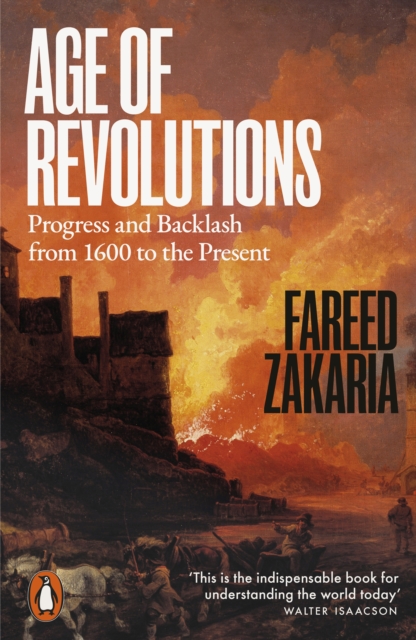
Age of Revolutions
KSh 2,350.00
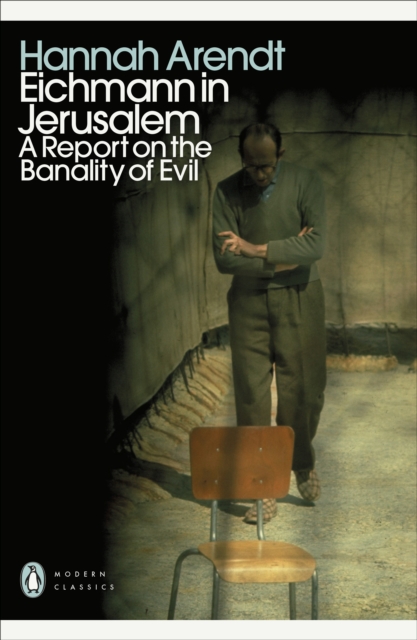
Eichmann in Jerusalem
KSh 2,350.00

Trouble With Being Born
KSh 2,000.00

Hiroshima
KSh 2,000.00

Freedom
KSh 6,300.00
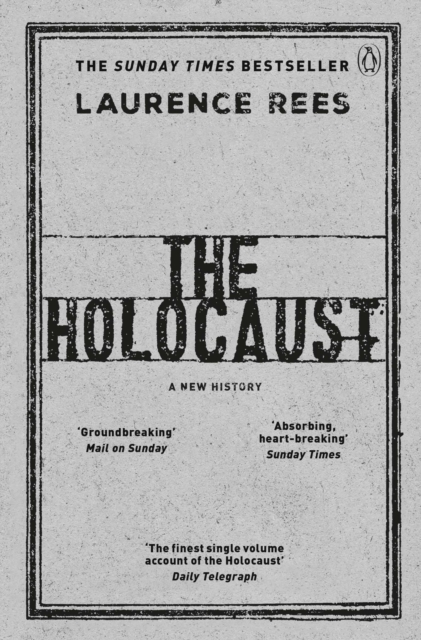
Holocaust
KSh 2,700.00
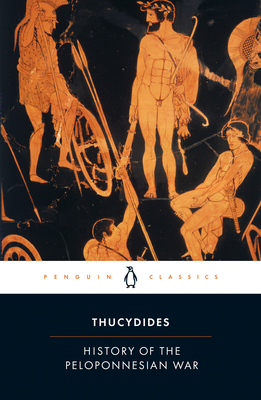
The History of the Peloponnesian War
KSh 2,700.00
Annals
KSh 2,350.00
Greek Lives
KSh 2,150.00
Sleepwalkers
KSh 3,400.00

Napoleon The Great
KSh 3,600.00
Diary of a Young Girl
KSh 1,800.00