State and Class in Turkey : A Study in Capitalist Development
Book Details
Format
Paperback / softback
ISBN-10
0860918777
ISBN-13
9780860918776
Publisher
Verso Books
Imprint
Verso Books
Country of Manufacture
GB
Country of Publication
GB
Publication Date
Oct 17th, 1987
Print length
256 Pages
Weight
316 grams
Dimensions
13.60 x 21.50 x 1.90 cms
Product Classification:
Politics & governmentPolitics and government
KSh 3,450.00
Currently unavailable
0 in stock
Delivery Location
Delivery fee: Select location
Secure
Quality
Fast
In a work of considerable analytic elegance, Caglar Keyder provides the first genuinely radical text on the political economy of modern Turkey. Keyder describes how, with the dissolution of the Ottoman Empire, the traditional Muslim bureaucratic class of the old regime attempted to create a new nation state and effect its transition to modernity. Yet by expelling the Christian bourgeoisie between 1914 and 1924 the bureaucracy initially controlled Turkey's integration into the world capitalist system.<br><br>Within the framework of the literature of peripheral development, Keyder argues that, in contrast to the Latin American experience, the lack of a dominant landlord class and the continued existence of an independent peasantry had a formative influence on Turkey's political and economic development.<br><br>Keyder explains how the simmering conflict between the bureaucracy and the bourgeoisie was suppressed during the successful period of import-substituting industrialization in the 1960s and 1970s, to erupt again, soon after the world economic crisis of 1973. He recounts the way in which the rapid industrialization and urbanization transformed Turkey's social structure and shows how the severe economic difficulties of the late 1970s sparked off latent conflicts and led to the spread of fascist violence, culminating in the military coup of 1980. The book concludes with a look at Turkey's prospects for economic development and social change.
Get State and Class in Turkey by Caglar Keyder at the best price and quality guaranteed only at Werezi Africa's largest book ecommerce store. The book was published by Verso Books and it has 256 pages.
Customers Who Bought This Also Bought

Regime Change
KSh 5,050.00

Art of War / The Book of Lord Shang
KSh 1,100.00
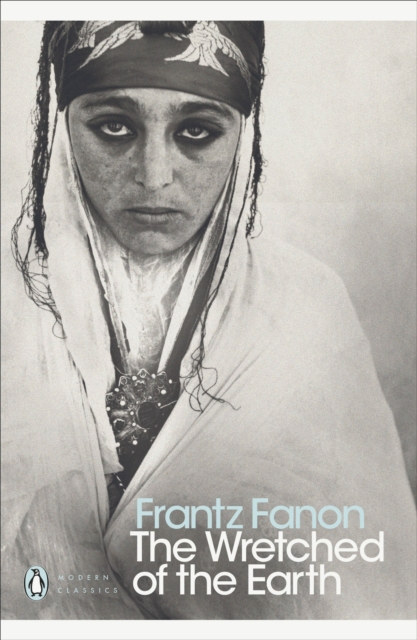
Wretched of the Earth
KSh 2,000.00

White Saviorism In International Development
KSh 3,800.00

How To Do Nothing
KSh 2,700.00

How Civil Wars Start
KSh 2,000.00

Tomorrow Is Yesterday
KSh 4,700.00

The Thinking Machine
KSh 2,350.00

Second Treatise of Government – Norton Library
KSh 1,600.00

Becoming
KSh 2,350.00

A River in Darkness
KSh 1,250.00

Warning to the West
KSh 1,600.00