
Book Details
Format
Hardback or Cased Book
ISBN-10
0748675795
ISBN-13
9780748675791
Edition
2 New edition
Publisher
Edinburgh University Press
Imprint
Edinburgh University Press
Country of Manufacture
GB
Country of Publication
GB
Publication Date
Jul 31st, 2014
Print length
184 Pages
Weight
430 grams
Dimensions
24.00 x 16.20 x 1.60 cms
Product Classification:
Sociolinguistics
Ksh 18,000.00
Temporarily out of stock, due soon
0 in stock
Delivery Location
Delivery fee: Select location
Secure
Quality
Fast
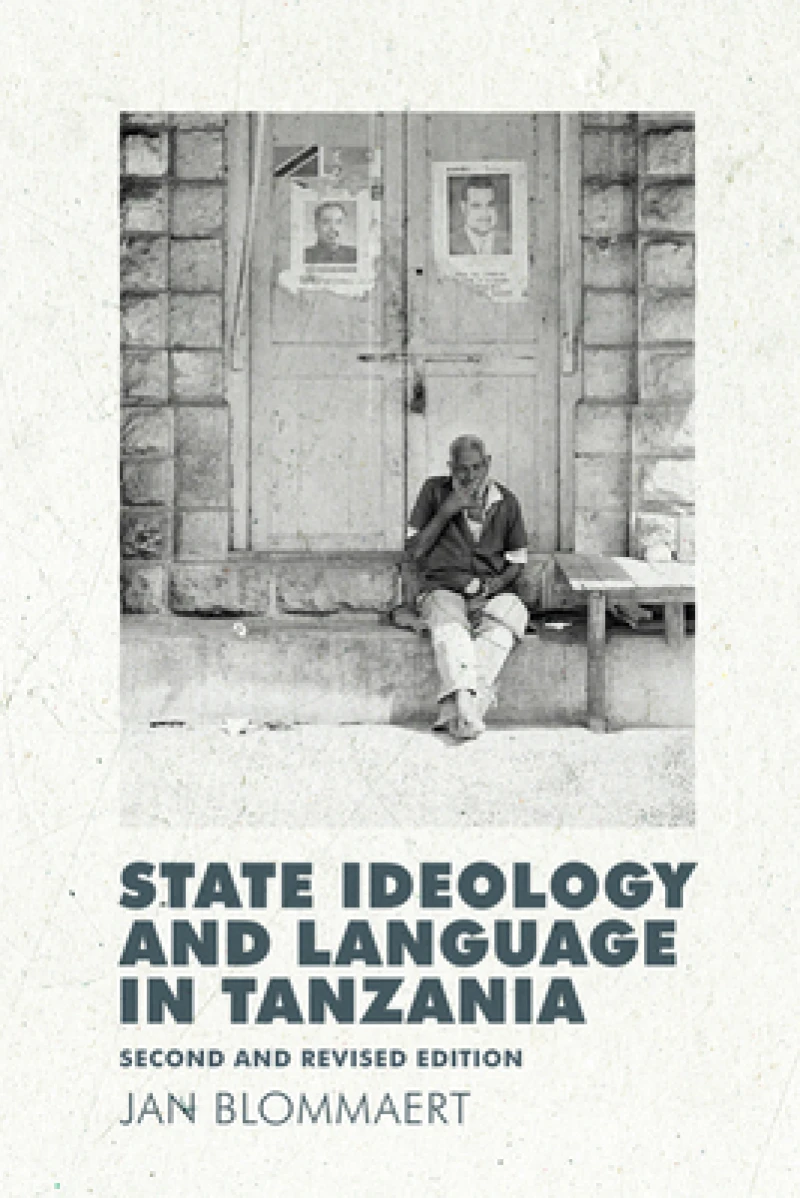
A case study on Tanzania highlighting the theoretical and methodological approaches in sociolinguistics. It focuses on the influence of Ujamaa ideology on Swahili's formation, treatment, and implementation. It features updates to the discussions of code-switching and language policies and ideologies.
Tanzania is often seen as an exceptional case of successful language planning in Africa, with Swahili being spread to all corners of the country. Yet, this objective success has always been accompanied by a culture of complaints proclaiming its utter failure.
State Ideology and Language in Tanzania sets out to explore this paradox through a richly documented historical, sociolinguistic and anthropological approach covering the story of Swahili from the early days of independence until today. Focusing on the ways in which Swahili was swept up in the ''Ujamaa revolution'' - the transition to socialism led by president Nyerere - Jan Blommaert demonstrates how the language became an emblem not just of the Tanzanian ''cultural'' nation, but above all of the ''political'' nation. Using Swahili meant the acceptance of socialism, and the spread of Swahili across the country should equal the spread of Ujamaa socialism. When this did not happen, the verdict of failure was proclaimed on Swahili, which did not prevent the language from becoming one of the most widely used and dynamic languages on the continent.
This book is a thoroughly revised version of the 1999 edition, which was welcomed at the time as a classic. It now extends the period of coverage to 2012 and includes an entirely new chapter on current developments, making this updated edition an essential read for students and scholars in language, linguistics and African Studies.
State Ideology and Language in Tanzania sets out to explore this paradox through a richly documented historical, sociolinguistic and anthropological approach covering the story of Swahili from the early days of independence until today. Focusing on the ways in which Swahili was swept up in the ''Ujamaa revolution'' - the transition to socialism led by president Nyerere - Jan Blommaert demonstrates how the language became an emblem not just of the Tanzanian ''cultural'' nation, but above all of the ''political'' nation. Using Swahili meant the acceptance of socialism, and the spread of Swahili across the country should equal the spread of Ujamaa socialism. When this did not happen, the verdict of failure was proclaimed on Swahili, which did not prevent the language from becoming one of the most widely used and dynamic languages on the continent.
This book is a thoroughly revised version of the 1999 edition, which was welcomed at the time as a classic. It now extends the period of coverage to 2012 and includes an entirely new chapter on current developments, making this updated edition an essential read for students and scholars in language, linguistics and African Studies.
Get State Ideology and Language in Tanzania by at the best price and quality guaranteed only at Werezi Africa's largest book ecommerce store. The book was published by Edinburgh University Press and it has pages.

