
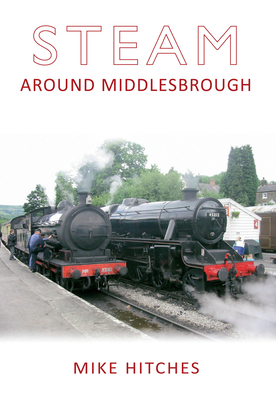
Steam Around Middlesbrough
by
Mike Hitches
Book Details
Format
Paperback / softback
Book Series
Steam Around ...
ISBN-10
144561524X
ISBN-13
9781445615240
Publisher
Amberley Publishing
Imprint
Amberley Publishing
Country of Manufacture
GB
Country of Publication
GB
Publication Date
Nov 15th, 2014
Print length
160 Pages
Weight
290 grams
Dimensions
24.10 x 17.30 x 1.10 cms
Product Classification:
DurhamTrains & railways: general interestTrains and railways: general interest
KSh 3,400.00
Temporarily out of stock, due soon
0 in stock
Delivery Location
Delivery fee: Select location
Secure
Quality
Fast
Recapturing the glory days of steam in and around Middlesbrough
The north-east of England and the Middlesbrough area are the birthplace and cradle of modern railways. Collieries had been established in the North East since the Industrial Revolution and wagonways were constructed using horse power to transfer coal from pitheads to the coast for onward shipment to the capital and elsewhere. The Stockton & Darlington Railway (S&DR), the first public railway in the world, received royal assent in 1821. In 1831, Middlesbrough became part of the infant railway network when the S&DR extended its line from Stockton. At that time, Middlesbrough was no more than a small fishing community, but it did lie downstream of shallows which had to be negotiated by ships sailing from Stockton Wharf. Soon afterwards, ironstone deposits were discovered nearby and, along with coal, were brought to Middlesbrough by rail, allowing the establishment of a thriving iron and steel industry.From then until the Beeching Axe of the 1960s, the railways around Middlesbrough were still busy with passengers and freight. Much of the railway system around Middlesbrough remains intact, serving industries in the area, but local stations have ceased to exist, much like the steam locomotives that were a major part of the history of the area for some 150 years.
Get Steam Around Middlesbrough by Mike Hitches at the best price and quality guaranteed only at Werezi Africa's largest book ecommerce store. The book was published by Amberley Publishing and it has 160 pages.
Customers Who Bought This Also Bought

Train Book
KSh 6,200.00
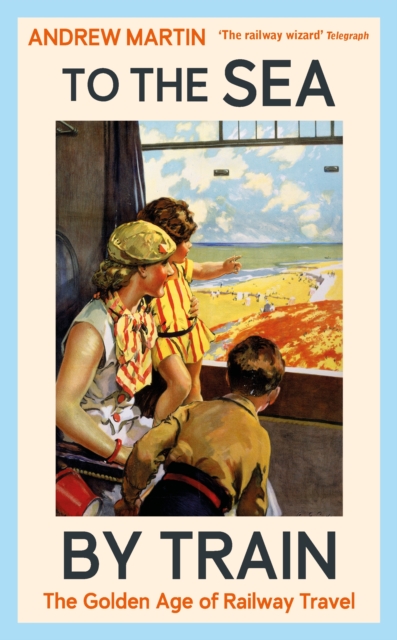
To the Sea by Train
KSh 3,400.00
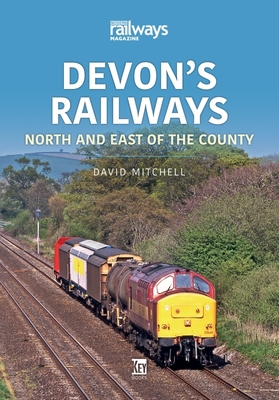
Devon's Railways
KSh 2,900.00

British Railways Past and Present Volume 8: Devon
KSh 3,250.00
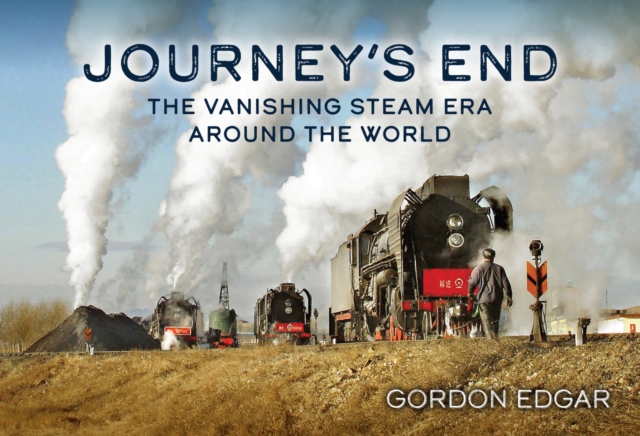
Journey''s End: The Vanishing Steam Era Around the World
KSh 3,600.00

The Paignton and Dartmouth Steam Railway
KSh 2,900.00
The Untold Railway Stories
KSh 3,950.00

Moonlight Express
KSh 3,950.00

Moonlight Express
KSh 3,050.00
Railroads of Nevada and Eastern California V. 3; More on the Northern Roads
KSh 11,650.00

Railsong
KSh 2,000.00

The County Donegal Railway
KSh 2,900.00
More by Mike Hitches
Birmingham Railways Through Time
KSh 2,900.00
Steam Around York & the East Riding
KSh 3,400.00
Steam Around Scarborough
KSh 3,400.00

Now That''s What I Call Beverley
KSh 2,900.00
Steam Around Sheffield
KSh 3,400.00
Filey Through Time
KSh 2,900.00

Mon Ynys Anglesey
KSh 1,100.00

Steam Around Scarborough
KSh 3,600.00

Steam Around Wolverhampton
KSh 2,000.00

Clwyd Railways
KSh 1,100.00
Cheshire Railways
KSh 2,700.00
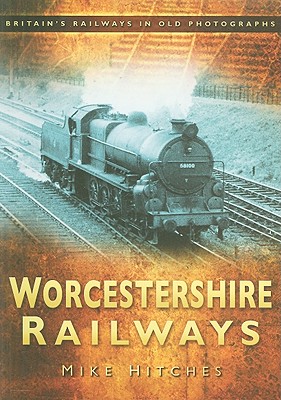
Worcestershire Railways
KSh 3,050.00
