
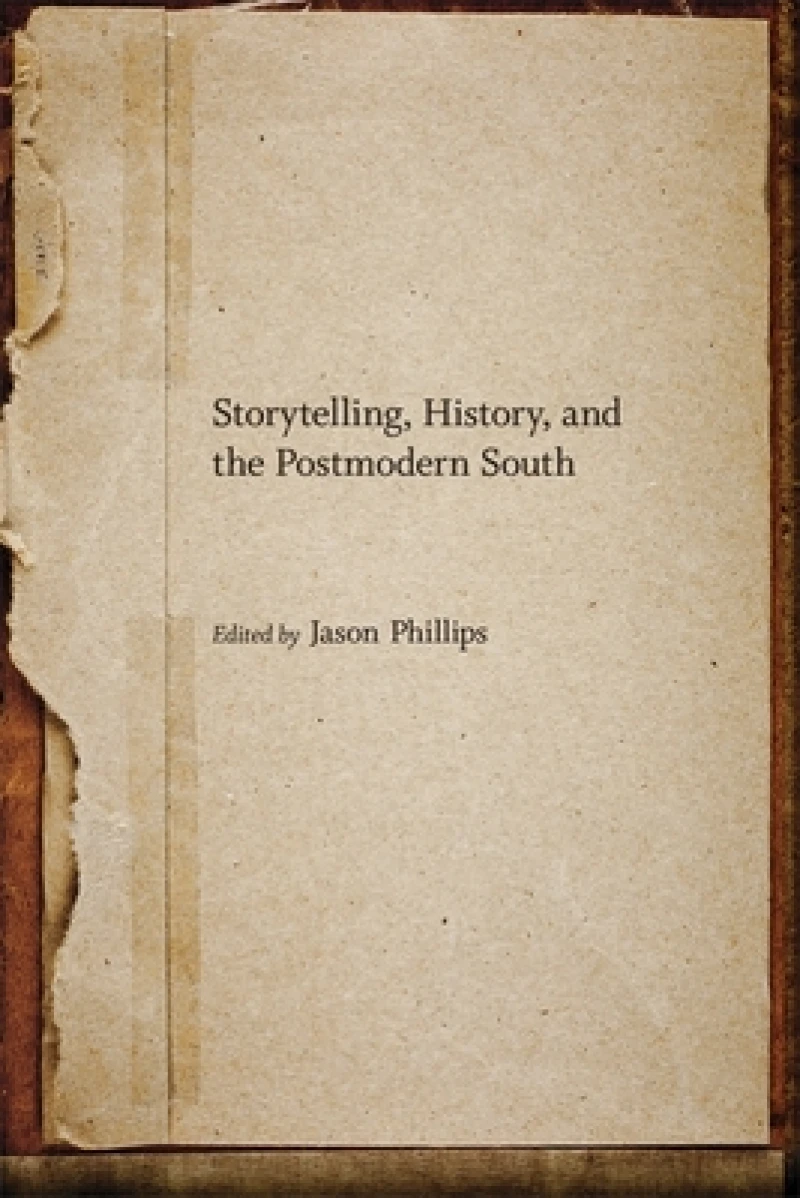
Storytelling, History, and the Postmodern South
Book Details
Format
Hardback or Cased Book
Book Series
Southern Literary Studies
ISBN-10
0807150347
ISBN-13
9780807150344
Publisher
Louisiana State University Press
Imprint
Louisiana State University Press
Country of Manufacture
US
Country of Publication
GB
Publication Date
Jun 10th, 2013
Print length
240 Pages
Weight
446 grams
Dimensions
22.30 x 14.90 x 2.40 cms
Ksh 7,150.00
Temporarily out of stock, due soon
0 in stock
Delivery Location
Delivery fee: Select location
Secure
Quality
Fast
In this collection, historians and literary scholars explore an enduring dynamic between history, literature, and power in the American South. Blending analysis with storytelling, and professional insights with personal experiences, they “deconstruct Dixie”, insisting that writing the South's history means harnessing the power of narrative.
On November 5, 1968, Ralph Ellison stood up at the Southern Historical Association meeting in New Orleans and called the members gathered there ""respectable liars,"" thus exposing the link between ""official"" history and the dominant consciousness of the time. Historian Jason Phillips refers to such scholarship as ""master narratives"", stories masquerading as truth that promote the interests of white patriarchy past and present. In this innovative collection, Phillips and ten other historians and literary scholars explore an enduring dynamic between history, literature, and power in the American South. Blending analysis with storytelling, and professional insights with personal experiences, they ""deconstruct Dixie,"" insisting that writing the South's history means harnessing, not criticizing, the inherent power of narrative.
The contributors examine white southern narratives from multiple, fresh perspectives and consider ways in which storytelling helped shape identity and mold scholarship over time. Bertram Wyatt-Brown argues that William Percy's life and work blurred fact and fiction as he negotiated the anti-intellectual conventions of a rural, hierarchical South as a cosmopolitan and homosexual. Orville Vernon Burton and Ian Binnington investigate nationalism, local allegiances, and the imagined community of the Confederacy. Farrell O'Gorman, Jewel L. Spangler, David A. Davis, Robert Jackson, Anne Marshall, K. Stephen Prince, and Jim Downs explore diverse topics such as southern Gothic fiction and the centrality of religion, white trash autobiographies, the ""professional southerner"" in literature and criticism, and the ""one-drop rule"" of racial taxonomy in America.
Like Ellison, these writers look beyond ideology and race, including how often-overlooked, basic elements of a work, such as its form, plot, aesthetics, or genre, can re- or deconstruct white southern power. Showcasing new ways of interpreting texts, they encourage historians and literary scholars to move beyond theory to engage the historical context of southern stories and storytelling while reading evidence more deeply and stories more broadly.
The contributors examine white southern narratives from multiple, fresh perspectives and consider ways in which storytelling helped shape identity and mold scholarship over time. Bertram Wyatt-Brown argues that William Percy's life and work blurred fact and fiction as he negotiated the anti-intellectual conventions of a rural, hierarchical South as a cosmopolitan and homosexual. Orville Vernon Burton and Ian Binnington investigate nationalism, local allegiances, and the imagined community of the Confederacy. Farrell O'Gorman, Jewel L. Spangler, David A. Davis, Robert Jackson, Anne Marshall, K. Stephen Prince, and Jim Downs explore diverse topics such as southern Gothic fiction and the centrality of religion, white trash autobiographies, the ""professional southerner"" in literature and criticism, and the ""one-drop rule"" of racial taxonomy in America.
Like Ellison, these writers look beyond ideology and race, including how often-overlooked, basic elements of a work, such as its form, plot, aesthetics, or genre, can re- or deconstruct white southern power. Showcasing new ways of interpreting texts, they encourage historians and literary scholars to move beyond theory to engage the historical context of southern stories and storytelling while reading evidence more deeply and stories more broadly.
Get Storytelling, History, and the Postmodern South by at the best price and quality guaranteed only at Werezi Africa's largest book ecommerce store. The book was published by Louisiana State University Press and it has pages.

