
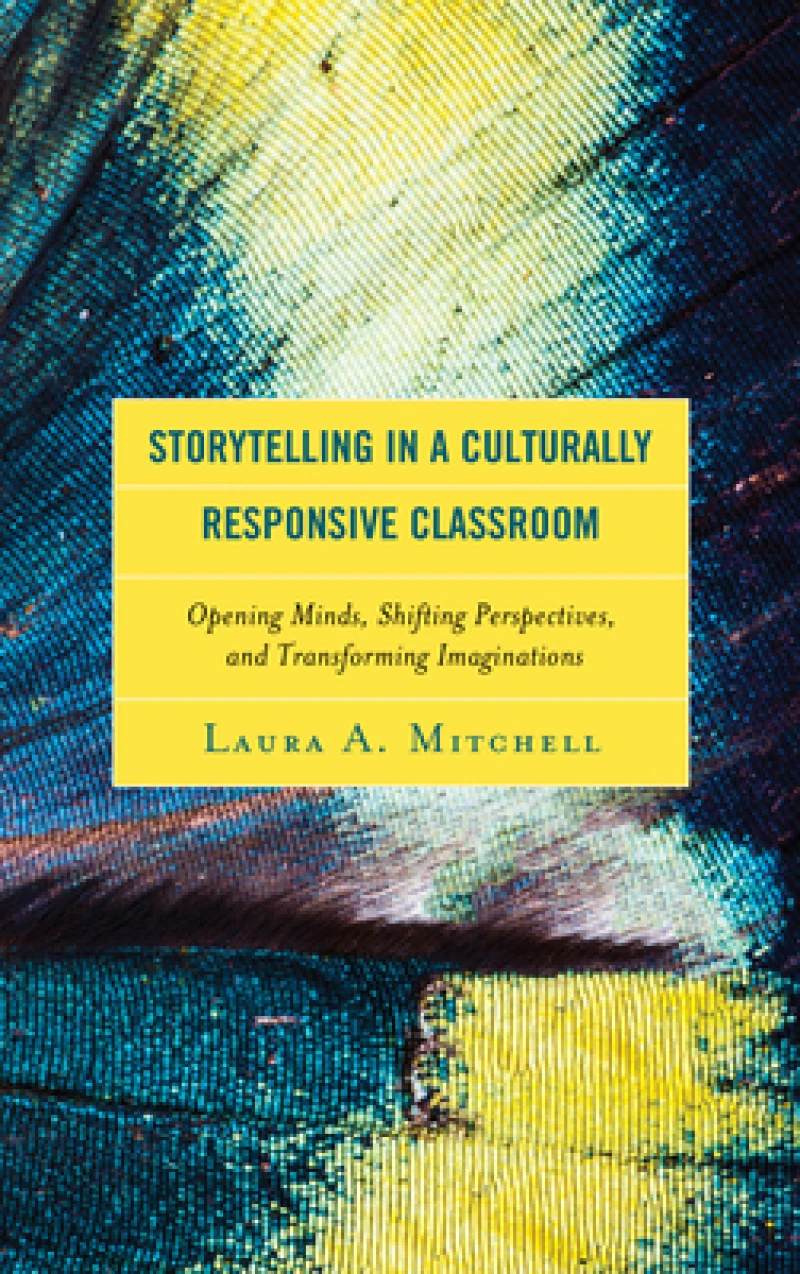
Storytelling in a Culturally Responsive Classroom : Opening Minds, Shifting Perspectives, and Transforming Imaginations
Book Details
Format
Paperback / Softback
ISBN-10
1498555985
ISBN-13
9781498555982
Publisher
Bloomsbury Publishing Plc
Imprint
Lexington Books
Country of Manufacture
US
Country of Publication
GB
Publication Date
Aug 13th, 2020
Print length
104 Pages
Weight
180 grams
Dimensions
15.10 x 22.90 x 0.90 cms
Ksh 7,350.00
Manufactured on Demand
0 in stock
Delivery Location
Delivery fee: Select location
Secure
Quality
Fast
This book describes how culturally responsive teachers learn to navigate between the heritage languages of their students and the dominant language of their curriculum and instruction.As teachers invite different forms of literacy to be shared, they bring the authentic lives of storytellers into their classroom.
The authentic, storytelling process gives students the opportunity to include their heritage language and culture into the learning process at school. Often, students separate their heritage language and culture from the school culture. They do this in order to survive the complexity of living in dual worlds or perspectives (Belenky et al., 1986). When teachers integrate the heritage language, such as storytelling, into the authentic literacy processes, students find that their heritage language and culture has value. They discover that their teachers encourage the traditional storytelling of their own heritage stories in the classrooms among their classmates. This brings the dual perspective of living in two distinct worlds together. The culturally responsive teachers help to merge both the home and school culture together through authentic literacy.
This book describes how culturally responsive teachers learn to navigate between the heritage languages of their students and the dominant language of their curriculum and instruction. They know to ask questions such as, “Who are the storytellers in your home and what stories do they tell you?” This form of questioning opens up the thinking process that shows literacy comes in more forms and processes than just a book. As culturally responsive teachers invite different forms of literacy to be shared in the classroom, they bring the authentic lives of storytellers into their classroom. The students can retell the stories that they were told by their storytellers. Through this storytelling process both the culturally responsive teachers and the students informs them about who they are, how they are connect with others, and how they interdependent on others.
Students tell stories that inform them about who they are and how they are connected with others, so they will know that they are human. They can live in a world of possibilities where they are interconnected with literacy and interdependent with each other in order to be human. They are describing what Greene (1995) described as looking into each other’s eyes in order to encourage them to tell their stories about who they are and who they hope to be.
This book describes how culturally responsive teachers learn to navigate between the heritage languages of their students and the dominant language of their curriculum and instruction. They know to ask questions such as, “Who are the storytellers in your home and what stories do they tell you?” This form of questioning opens up the thinking process that shows literacy comes in more forms and processes than just a book. As culturally responsive teachers invite different forms of literacy to be shared in the classroom, they bring the authentic lives of storytellers into their classroom. The students can retell the stories that they were told by their storytellers. Through this storytelling process both the culturally responsive teachers and the students informs them about who they are, how they are connect with others, and how they interdependent on others.
Students tell stories that inform them about who they are and how they are connected with others, so they will know that they are human. They can live in a world of possibilities where they are interconnected with literacy and interdependent with each other in order to be human. They are describing what Greene (1995) described as looking into each other’s eyes in order to encourage them to tell their stories about who they are and who they hope to be.
Get Storytelling in a Culturally Responsive Classroom by at the best price and quality guaranteed only at Werezi Africa's largest book ecommerce store. The book was published by Bloomsbury Publishing Plc and it has pages.

