Strange Bedfellows : Marriage in the Age of Women's Liberation
Book Details
Delivery Location
Delivery fee: Select location
The impact of law and politics on efforts to redefine family and marriage without relying on traditional gender norms
In the inaugural issue of Ms. Magazine, the feminist activist Judy Syfers proclaimed that she "would like a wife," offering a wry critique of the state of marriage in modern America. After all, she observed, a wife could provide Syfers with free childcare and housecleaning services as well as wages from a job. Outside the pages of Ms., divorced men''s rights activist Charles Metz opened his own manifesto on marriage reform with a triumphant recognition that "noise is swelling from hundreds of thousands of divorced male victims." In the 1960s and 70s, a broad array of Americans identified marriage as a problem, and according to Alison Lefkovitz, the subsequent changes to marriage law at the state and federal levels constituted a social and legal revolution.
The law had long imposed breadwinner and homemaker roles on husbands and wives respectively. In the 1960s, state legislatures heeded the calls of divorced men and feminist activists, but their reforms, such as no-fault divorce, generally benefitted husbands more than wives. Meanwhile, radical feminists, welfare rights activists, gay liberationists, and immigrant spouses fought for a much broader agenda, such as the extension of gender-neutral financial obligations to all families or the separation of benefits from family relationships entirely. But a host of conservatives stymied this broader revolution. Therefore, even the modest victories that feminists won eluded less prosperous Americans—marriage rights were available to those who could afford them.
Examining the effects of law and politics on the intimate space of the home, Strange Bedfellows recounts how the marriage revolution at once instituted formal legal equality while also creating new forms of political and economic inequality that historians—like most Americans—have yet to fully understand.
Get Strange Bedfellows by Alison Lefkovitz at the best price and quality guaranteed only at Werezi Africa's largest book ecommerce store. The book was published by University of Pennsylvania Press and it has 280 pages.
Customers Who Bought This Also Bought
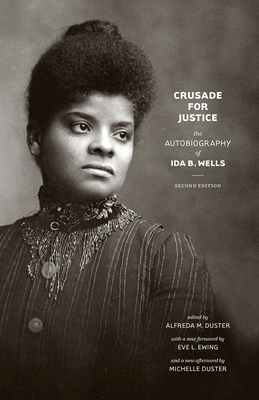
Crusade for Justice – The Autobiography of Ida B. Wells, Second Edition
KSh 4,050.00

Killers of the Flower Moon
KSh 2,000.00
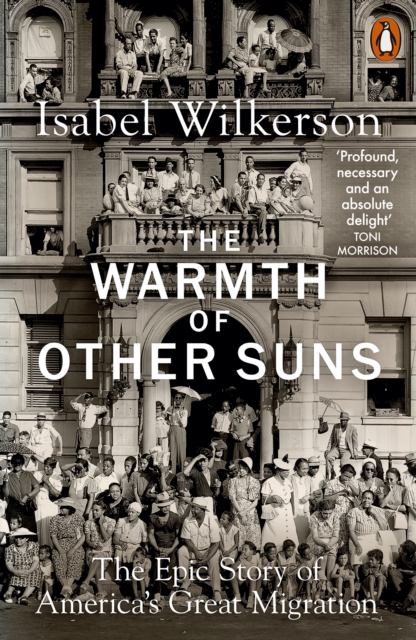
Warmth of Other Suns
KSh 3,050.00

Frederick Douglass
KSh 3,350.00

107 Days
KSh 4,500.00

Second Treatise of Government – Norton Library
KSh 1,600.00

Tuesdays With Morrie
KSh 2,000.00
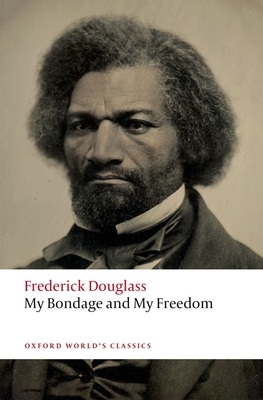
My Bondage and My Freedom
KSh 1,600.00

Hidden Figures
KSh 2,000.00

America, América
KSh 3,650.00
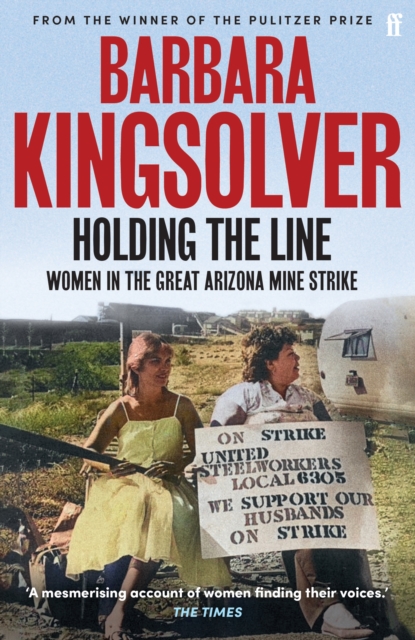
Holding the Line
KSh 2,000.00

Nuclear Folly
KSh 3,050.00