
Book Details
Format
Hardback or Cased Book
Book Series
Essentials of Strategy
ISBN-10
1682477657
ISBN-13
9781682477656
Edition
New
Publisher
Naval Institute Press
Imprint
Naval Institute Press
Country of Manufacture
GB
Country of Publication
GB
Publication Date
Dec 28th, 2023
Print length
240 Pages
Weight
442 grams
Dimensions
15.70 x 23.70 x 1.90 cms
Ksh 3,950.00
Temporarily out of stock, due soon
0 in stock
Delivery Location
Delivery fee: Select location
Secure
Quality
Fast
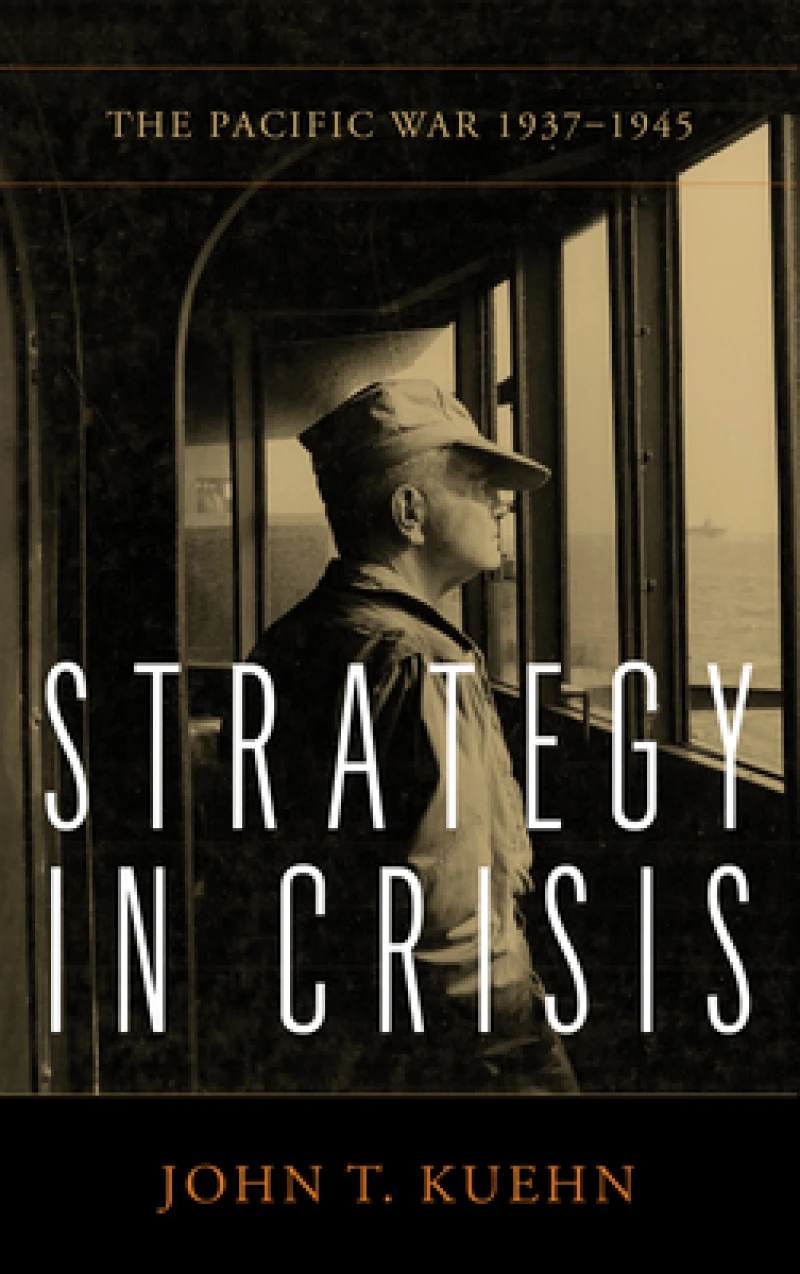
Examines the Pacific War from the vantage point of strategy and the execution of that strategy. The allies entered an ongoing Sino-Japanese War in China (1937-1945) which shaped the implementation of strategic decision making for the larger campaigns of The Pacific War.
The Pacific War (1937-1945) remains a crucial topic for strategic discussion, especially as Japan''s push for a broader conflict in 1941 still fascinates historians. That regional push grew into a wider world war with all the major maritime powers, as well as the Soviet Union, in a conflict which challenged the allied response in Asia and beyond.
John T. Kuehn examines the Pacific War from the vantage point of strategy and the execution of that strategy. The allies entered an ongoing Sino-Japanese War in China (1937-1945) which shaped the implementation of strategic decision making for the larger campaigns of The Pacific War. The Pacific War is often regarded as a conflict between the United States and Japan, but it involved a far greater cast of national characters, and the strategic calculations of these actors are addressed by the author in concise detail. The actions of the powers, such as the Dutch, British, Australians, New Zealanders, and the Soviet Union as well as the two primary nations, the U.S. and Empire of Japan, are considered through the strategic paradigm. The author, looking at the strategy of Imperial Japan as well as that of the U.S., concludes that the Axis failures in terms of coalition strategy continued throughout the war, even as the Allies strengthened coalition warfare along fronts.
John T. Kuehn examines the Pacific War from the vantage point of strategy and the execution of that strategy. The allies entered an ongoing Sino-Japanese War in China (1937-1945) which shaped the implementation of strategic decision making for the larger campaigns of The Pacific War. The Pacific War is often regarded as a conflict between the United States and Japan, but it involved a far greater cast of national characters, and the strategic calculations of these actors are addressed by the author in concise detail. The actions of the powers, such as the Dutch, British, Australians, New Zealanders, and the Soviet Union as well as the two primary nations, the U.S. and Empire of Japan, are considered through the strategic paradigm. The author, looking at the strategy of Imperial Japan as well as that of the U.S., concludes that the Axis failures in terms of coalition strategy continued throughout the war, even as the Allies strengthened coalition warfare along fronts.
Get Strategy in Crisis by at the best price and quality guaranteed only at Werezi Africa's largest book ecommerce store. The book was published by Naval Institute Press and it has pages.

