
Book Details
Format
Paperback / Softback
ISBN-10
303911932X
ISBN-13
9783039119325
Edition
New
Publisher
Verlag Peter Lang
Imprint
Verlag Peter Lang
Country of Manufacture
CH
Country of Publication
GB
Publication Date
Jun 15th, 2009
Print length
214 Pages
Weight
322 grams
Dimensions
15.20 x 22.60 x 1.30 cms
Ksh 8,750.00
Manufactured on Demand
0 in stock
Delivery Location
Delivery fee: Select location
Secure
Quality
Fast
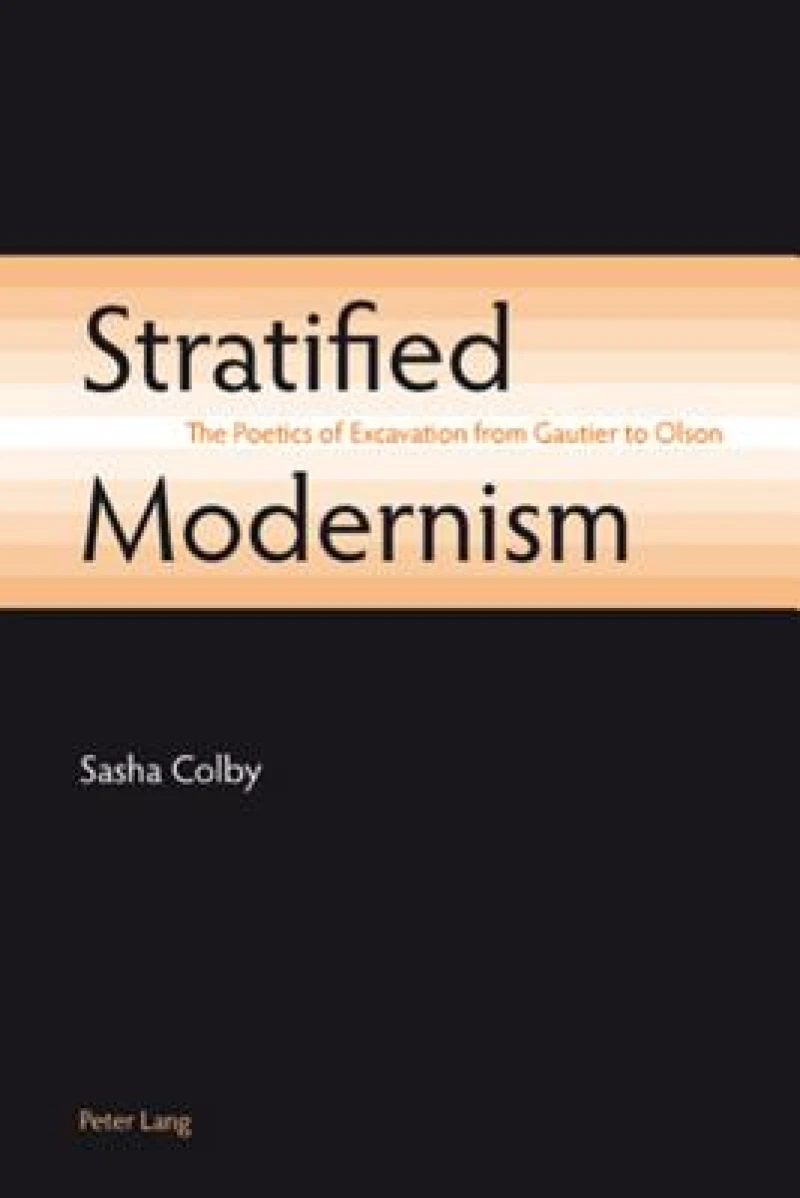
This book proposes an alternative modernist tradition, a line of writers captured by the archaeological project and the poetic possibilities it created. This tradition spans from Théophile Gautier''s mid-nineteenth-century passion for Egyptology to Charles Olson''s literal excavations on the Yucatan peninsula in the 1950s. With attention to the historical development of archaeology, the author argues that the archaeological became a rich site of cultural fantasy, a location where modernity''s alternatives could be considered, imagined, and transcribed. These models, taking their cue from new archaeological dynamics, include the ushering of primal intensities into the present, the tapping of the subterranean unconscious, and the decipherment of an original poetic language. Ranging from psychic excavations to the reactivation of political templates, the plumbing of the archaeological landscape became a key posture in modernist development, which the author pursues through the work of both twentieth-century modernists and their nineteenth-century substrata. Ambitious in scope, this book provides a compelling argument about the role of archaeology in the modernist literary imagination and the century-long evolution of the poetics of excavation.
Get Stratified Modernism by at the best price and quality guaranteed only at Werezi Africa's largest book ecommerce store. The book was published by Verlag Peter Lang and it has pages.

